
 Search

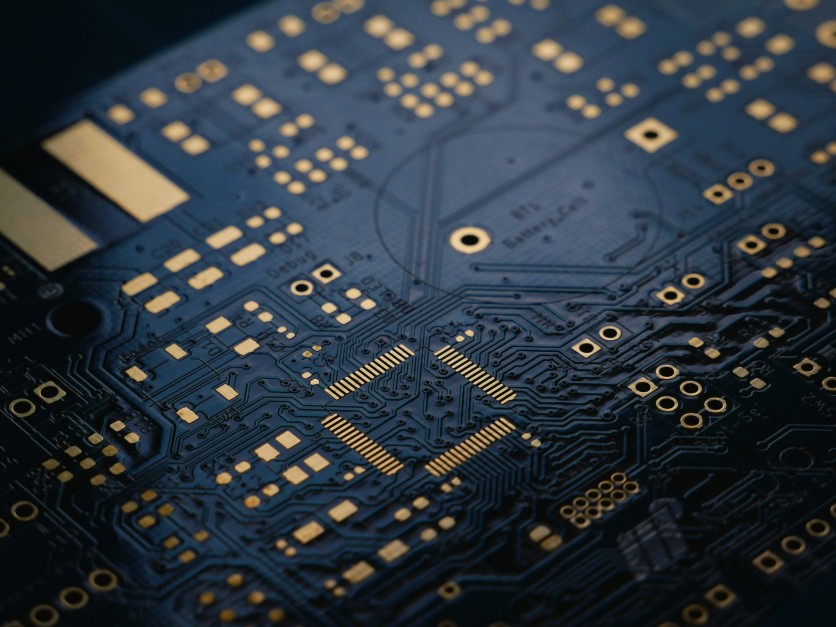
Vishnu Mohanan/Unsplash
Self-healing technology refers to advanced materials and systems that can repair damage on their own, reducing maintenance needs and extending product lifespan. Self healing materials are a key focus in materials science because they improve durability without constant human intervention, using self repairing polymers and smart materials that respond to cracks, stress, or breaks.
Interest in self healing technology is growing due to the need for longer-lasting and more efficient systems across industries. Instead of replacing damaged parts, these materials restore function through built-in chemical or structural processes. As research expands, self healing innovations are being designed for everything from infrastructure to flexible electronics.
How Self-Healing Materials Work
Self-healing materials work by activating built-in repair systems when damage occurs. In microcapsule-based designs, tiny capsules rupture and release healing agents that flow into cracks and restore structure. Some systems also rely on external triggers like heat, pressure, or light to start the repair process in smart materials.
Intrinsic self healing materials are engineered so molecular bonds can naturally reform after damage without added chemicals. In contrast, extrinsic systems use embedded capsules or channels in self repairing polymers to deliver healing substances when needed. Both approaches help restore structural integrity in different ways.
In self healing electronics, damaged circuits can reconnect and regain conductivity. Advanced durable materials can also support multiple healing cycles, allowing repeated repair over time and improving long-term performance across various applications.
Why Materials Science Matters in Innovations
Materials science is the foundation of self healing technology because it explains how materials respond to stress, damage, and recovery. In self healing innovations, researchers work with polymers, metals, ceramics, and composites to balance strength, flexibility, and repair ability for real-world use.
Different applications require different behaviors in self healing materials. Wearables may need fast, flexible repair for small cracks, while construction materials focus on slower but stronger recovery over time. This shows that self healing technology includes multiple engineered approaches, not a single universal solution.
Scalability remains a major challenge in materials science. A self repairing polymer may work in controlled lab settings but must also be affordable, reliable, and durable in real environments. Many systems struggle when moved from testing to large-scale production.
Read more: AI Data Center Optical Component Shortage: Nvidia's $4B Laser Lockup Pushes Rivals Past 2027
Where Self-Healing Technology Is Used in Durable Materials
Self-healing technology is increasingly being used in modern engineering to improve durability and reduce maintenance needs. Its applications span from electronics to large-scale infrastructure and everyday consumer products.
- Electronics: Self healing materials help restore conductivity in damaged circuits, improving the durability of sensors, batteries, and flexible devices while reducing the need for replacements.
- Infrastructure: Self repairing polymers are used in concrete, coatings, and composites to slow crack growth and reduce long-term structural damage in buildings and bridges.
- Consumer goods: Products designed with self healing technology can recover surface damage, extend lifespan, and reduce waste from frequent replacements.
- Medical devices: These materials can improve safety and reliability by restoring function after wear or minor damage in sensitive medical equipment.
- Environmental impact: Self healing materials support sustainability by reducing waste, lowering repair costs, and extending the life of various products and systems.
Why Self-Healing Technology Matters Now for Durable Materials
Self healing technology is becoming important because it offers a new approach to durability, maintenance, and product design. By combining materials science with self healing innovations, engineers are developing systems that can recover from damage instead of failing completely. Self healing materials could reshape how electronics, infrastructure, and everyday products are built and maintained, leading to longer-lasting and more efficient solutions.
Frequently Asked Questions
1. What is self-healing technology in simple terms?
Self-healing technology refers to materials that can repair damage on their own without human intervention. These systems are designed using materials science principles to restore structure or function after cracks or stress. Self healing materials can work through chemical reactions, capsules, or molecular bonding. This makes them more durable compared to traditional materials.
2. How do self healing materials actually work?
Self healing materials work through different mechanisms such as microcapsules, intrinsic bonding, or external triggers like heat or light. When damage occurs, healing agents are released or activated to fill cracks or restore structure. Some self repairing polymers can even reconnect broken molecular chains automatically. The exact method depends on the design of the material.
3. Where is self-healing technology used today?
Self healing technology is used in electronics, infrastructure, coatings, and flexible devices. In electronics, it helps restore broken circuits and improve device durability. In infrastructure, it can slow crack growth in concrete and other structural materials. These applications show how materials science is making self healing innovations practical.
4. What are the challenges of self healing innovations?
One major challenge is scalability, as many self healing materials work well in labs but are difficult to mass-produce. Cost and long-term durability are also important concerns in materials science research. Some systems may not perform consistently under real-world conditions. Despite this, ongoing research continues to improve their reliability and usefulness.
Read more: Silent Ransom Group Sends Operatives Into Law Firm Offices: 38 Firms Already Leaked

-
 C114 Communication Network
 -
 Communication Home
