
 Search

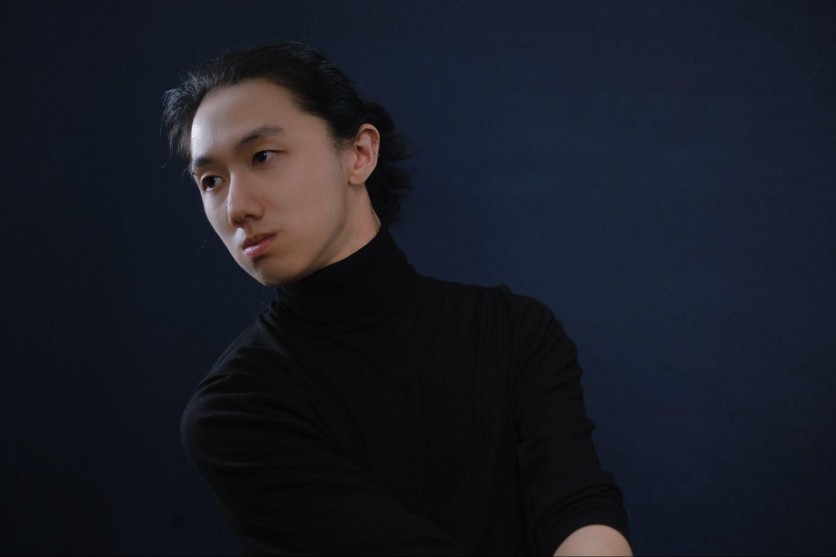
John Luo
John Luo is a New York City-based new media artist, creative technologist, and technical artist who crafts dynamic, living environments that respond directly to human presence and physical embodiment. Operating at the intersection of high-fidelity 3D visual design and interactive media, his portfolio includes major collaborations with prominent cultural institutions and international festivals. John served as a core 3D artist for the cinematic short VERSE, which premiered at the Tribeca Film Festival, and led the visual design for Rising River, showcased at the SIGGRAPH Immersive Pavilion and SXSW Sydney. His interactive installation The Skin was exhibited at Artechouse in New York, while his work on Endless Garden—created for the Dalí Museum and featured by Meshy AI—earned a Webby Award. Utilizing real-time tools to bridge ambitious artistic vision with seamless technical execution, John's practice explores the boundary between digital ecosystems and live physical performance. In the following conversation, he shares a candid look into his creative process, the realities of building hybrid spaces, and what it truly takes to make digital art feel alive.
Q: In your presentation of The Play at La MaMa, you walked us through your process. What technologies did you use to build this piece, and why did you choose them?
A: We used a few core tools to build the experience. The first is motion capture, where we experimented with everything from lightweight sensors to high-end tracking systems like OptiTrack. We also set up a live-streaming pipeline, sending wireless webcam feeds through an iPad to a laptop running our game engine, Unreal Engine. Finally, we added interactivity using game controllers so people could interact live with the 3D avatar and the environment right inside the engine.
Q: You've done so much creative work. What kind of challenges do you face in your creative process, and how do you overcome them?
A: We face technical and budget challenges all the time. Working with live digital media means any part of the workflow can go wrong. There is no magic workaround—you just have to grind through it to realize the vision. YouTube, Reddit, and the tech art community are lifesavers. The best approach is to not be shy, show your work, and reach out directly to other artists or plugin creators for help.
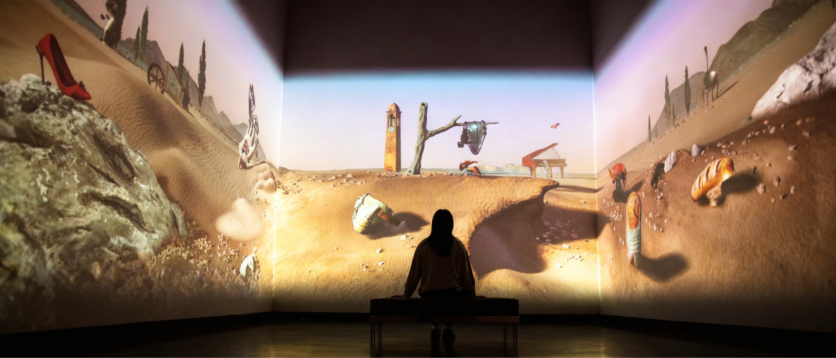
The Dalí Museum
Q: People hear the term "technical artist" and sometimes get confused. What do you actually do on a day-to-day basis?
A: I basically sit right between the crazy art ideas and the hard programming. I don't build software from the ground up. My job is figuring out how to make things look good and not crash the system. If a team wants a specific visual effect, my day is spent opening up the game engine, connecting the right logic, and making it run smoothly in real-time. It's a lot of troubleshooting and figuring out why things are broken.
Q: You used to do more traditional design before moving into real-time digital spaces. Why did you make that switch?
A: Traditional design started feeling a bit too static for me. You render a perfect image or video, and it's done; people just passively look at it. I wanted things to react. Real-time game engines let you build a space that actually responds to people being inside it. It feels a lot more alive. It's definitely a lot harder to pull off because things can break live during a show, but the energy is way better.
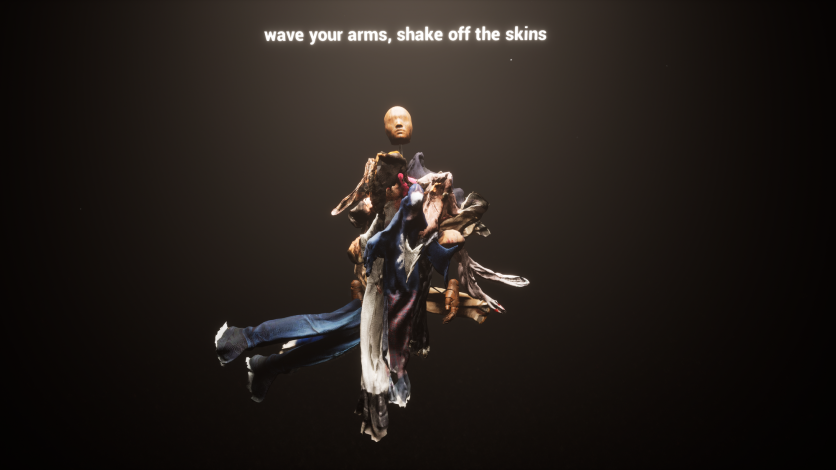
John Luo
Q: A lot of your work mixes digital tech with physical performance. Why go through the trouble of combining them instead of just making a standalone digital piece?
A: Because having real, physical bodies in a room changes the whole dynamic. In a hybrid setup, the digital world is controlled by human movement in the moment—like putting a dancer in motion capture gear. The environment is reacting to their physical body live. It's a huge headache to set up and get all the sensors working right, but when you see a digital space breathing with a live human, it's totally worth it.
Q: When audiences experience these interactive spaces, what are you hoping they take away from it?
A: Honestly, I just want them to feel like their presence actually matters. With a lot of digital art, you're just staring at a screen. I want people to walk in and realize the visuals are shifting and changing specifically because they are there. We grind through all that tracking and sensor tech just so the system acknowledges the audience. If they walk away feeling connected to that digital space, then we did our job.

-
 C114 Communication Network
 -
 Communication Home
