
 Search

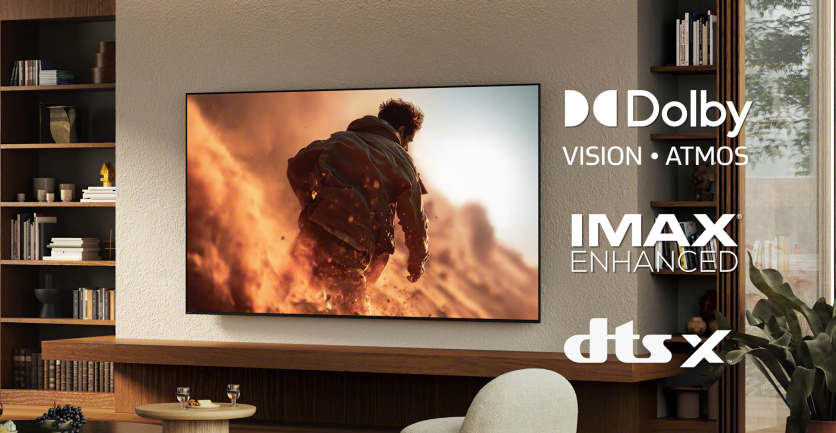
Sony Bravia 7 II review covering Sony’s new RGB LED TV technology, HDR brightness, gaming features, backlight TV upgrades, and overall color performance. Sony Connect Sony Electronics Support US/YTScreenshot
The premium television market continues to evolve, and the Sony Bravia 7 II is already becoming one of the most discussed releases of the year. Sony introduced a major shift in display technology with this model by replacing the traditional Mini-LED lighting system with a new RGB LED backlight TV design.
What Makes the Sony Bravia 7 II Different?
Most LED televisions use white backlights combined with filters to create colors on screen. The Sony Bravia 7 II changes this by using dedicated RGB lighting zones directly behind the display panel.
Early reactions from The Verge,and Engadget suggest Sony may have created one of its most impressive LED televisions in years. While OLED TVs still dominate conversations around contrast and black levels, Sony's RGB LED TV technology offers a different type of premium viewing experience focused on brightness and vivid HDR presentation.
This new system improves several important areas:
- Better HDR brightness
- Improved color performance
- Stronger color saturation
- More accurate highlights
- Wider color volume
Traditional Mini-LED TVs sometimes lose color intensity during very bright HDR scenes. Sony's RGB LED system helps maintain richer colors even when brightness levels increase significantly.
According to The Verge, the Sony Bravia 7 II can reach around 2,200 nits of peak brightness while still maintaining balanced HDR colors. This makes the TV especially effective for modern streaming content, sports broadcasts, and cinematic HDR movies.
Sony's approach also reduces the heavy dependence on color filters, helping improve efficiency and visual clarity at the same time.
Sony Bravia 7 II Review: Design and Build Quality
Sony continues its premium design style with the Bravia 7 II. The TV features slim bezels, a clean rear panel, and a sturdy stand system designed to fit modern entertainment setups.
One of the more noticeable design features is the floating-style stand, which gives the TV a cleaner appearance while helping hide cables more effectively.
Design highlights include:
- Thin bezels
- Premium metal stand
- Adjustable setup positions
- Improved cable management
- Wall-mount support
Unlike some ultra-thin OLED televisions, the Sony Bravia 7 II focuses more on durability and stability. The TV feels substantial without appearing bulky.
Sony also updated the remote control with simplified buttons, faster navigation, and integrated voice support through Google Assistant.
Picture Quality and HDR Performance
The strongest part of the Sony Bravia 7 II review discussions is easily its picture quality. Sony's combination of RGB LED backlighting and XR image processing creates an extremely bright and colorful image without making content look unnatural.
HDR playback is where the television performs best. Bright scenes maintain strong color detail while darker scenes still preserve shadow texture and depth.
Several strengths stand out immediately:
- Explosions and bright highlights appear realistic
- Colors remain vibrant without oversaturation
- Skin tones look natural
- Dark scenes maintain detail
- Motion handling stays smooth during action scenes
Sony's XR processor also helps upscale lower-resolution content effectively. Streaming videos, older TV shows, and compressed content appear sharper and cleaner than expected.
According to reports from HDTVTest, Sony's image processing continues to outperform many competitors in motion clarity and cinematic accuracy.
Sports fans may also appreciate the smooth motion handling during fast-moving scenes. The TV avoids excessive blur while still maintaining a natural presentation.
Sony RGB LED TV vs OLED
One of the biggest comparisons surrounding the Sony Bravia 7 II is how it performs against OLED televisions.
OLED displays still lead in several categories:
- Perfect black levels
- Pixel-level contrast
- Better blooming control
- More precise shadow details
However, the Sony RGB LED TV performs better in other important areas:
- Higher HDR brightness
- Better daytime visibility
- Reduced burn-in concerns
- Stronger full-screen brightness
- Excellent color performance at high luminance
For users who watch content in bright rooms, the Sony Bravia 7 II may actually feel more impactful than many OLED displays because of its higher brightness capabilities.
Sony's RGB backlight TV system appears designed for viewers who want cinematic visuals without sacrificing brightness during daytime viewing.
Gaming Features and HDMI 2.1 Support
Gaming support is another major focus of the Sony Bravia 7 II review coverage online.
The television includes:
- 4K gaming at 120Hz
- Variable Refresh Rate (VRR)
- Auto Low Latency Mode (ALLM)
- Dolby Vision gaming
- PlayStation 5 optimization features
Gaming performance remains smooth and responsive, especially during fast-paced action titles. Sony's motion handling also helps maintain clarity during rapid camera movement.
PlayStation 5 users receive additional features such as automatic HDR tone mapping and automatic picture mode switching.
One criticism mentioned by several reviewers is the HDMI 2.1 limitation. The TV includes only two HDMI 2.1 ports, and one doubles as the eARC connection for audio systems.
For users with multiple gaming consoles and sound systems, this setup may feel restrictive compared to some competing TVs.
Even with this limitation, gaming performance overall remains highly competitive in the premium TV category.
Smart Features and Google TV Experience
The Sony Bravia 7 II runs on Google TV, giving users access to major streaming platforms and smart home features.
Supported apps include:
- Netflix
- Disney+
- Prime Video
- Apple TV+
- YouTube
- Spotify
Google Assistant voice controls are built directly into the television, allowing users to search content, adjust settings, and control smart devices more easily.
Navigation feels responsive, and Sony's software optimization helps reduce lag during app switching and menu browsing.
Streaming quality also benefits from Sony's image processing, especially during HDR playback on services like Netflix and Disney+.
Areas Where the Sony Bravia 7 II Falls Short
Although the TV has received strong early impressions, there are still a few weaknesses mentioned across reviews.
Some limitations include:
- Premium pricing
- Limited HDMI 2.1 ports
- Minor blooming in difficult scenes
- Reflective screen in direct sunlight
Some reviewers also noticed slight color crosstalk in certain test patterns or bright UI elements. However, most reports suggest these issues are difficult to notice during regular movie viewing.
Pricing may also become a challenge for buyers comparing the Sony Bravia 7 II against lower-cost Mini-LED alternatives from TCL or Hisense.
Why the Sony Bravia 7 II Is One of Sony's Most Important TVs
The Sony Bravia 7 II represents more than a standard annual TV upgrade. Sony introduced a new RGB LED backlight TV system that changes how premium LED televisions handle brightness and color performance together.
The result is a television that delivers:
- Strong HDR brightness
- Rich cinematic colors
- Excellent motion handling
- Premium gaming support
- High-end image processing
While OLED still leads in pure contrast performance, Sony's RGB LED TV technology proves that advanced LED displays still have room to improve.
For movie enthusiasts, gamers, and HDR fans looking for a premium viewing experience, the Sony Bravia 7 II stands out as one of the most interesting high-end televisions currently available.
Frequently Asked Questions
1. What is the Sony Bravia 7 II?
The Sony Bravia 7 II is a premium 4K television that uses RGB LED backlight technology for improved HDR brightness and color performance.
2. Is the Sony Bravia 7 II good for gaming?
Yes. The TV supports 4K 120Hz gaming, VRR, ALLM, Dolby Vision gaming, and PlayStation 5 optimization features.
3. How bright is the Sony Bravia 7 II?
Reports from The Verge mention peak brightness levels around 2,200 nits during HDR playback.
4. Is the Sony Bravia 7 II better than OLED?
The Sony Bravia 7 II offers stronger brightness and better daytime visibility, while OLED still provides deeper black levels and more precise contrast.
Read more: Black Hole X-Ray Flares Decoded: 3D Simulations Point LISA to Gravitational Wave Targets

-
 C114 Communication Network
 -
 Communication Home
