
 Search

Explore robotics using world models and robot fleets to improve warehouse robots and hospital automation, enabling smarter navigation, coordination, and real-world decision-making across industries. Pixabay, antoniohez
Modern robotics is rapidly evolving beyond simple programmed machines into systems that can interpret and respond to real-world environments. At the center of this transformation are world models, a foundational concept that allows robots to build internal representations of their surroundings.
Combined with coordinated robot fleets, these advancements are reshaping industries that rely on efficiency, accuracy, and scalability. From warehouse robots managing global supply chains to hospital automation improving patient care, robotics is becoming more adaptive and intelligent than ever before.
What Are World Models in Robotics?
World models in robotics refer to a robot's internal understanding of its environment. These models are created using data from sensors such as cameras, LiDAR, and depth sensors, allowing machines to map spaces, identify objects, and predict changes.
Instead of reacting blindly to inputs, robots equipped with world models can simulate outcomes before taking action. For example, a warehouse robot can anticipate obstacles such as moving workers or shifting inventory and adjust its path in real time. This capability makes robotics systems far more efficient and reliable in dynamic settings.
What Is a World Model in Robotics?
A world model is a digital representation of the physical environment that a robot uses to make decisions. It combines sensory input, machine learning, and predictive algorithms to help robots understand context, navigate spaces, and perform tasks with greater autonomy.
How Do Robots Understand the Real World?
Robotics systems rely on a combination of perception, learning, and decision-making technologies to interpret real-world environments. These components work together to create situational awareness.
Key elements include:
- Perception systems that gather environmental data through sensors
- Machine learning models that identify patterns and objects
- Real-time processing systems that enable immediate responses
For instance, hospital automation robots navigating busy corridors must distinguish between patients, staff, and equipment while maintaining safe distances. This level of awareness is made possible through continuously updated world models.
How Do Robots Perceive Their Environment?
Robots perceive their environment using sensors such as cameras, LiDAR, ultrasonic sensors, and infrared systems. These tools collect data that is processed into meaningful insights, enabling navigation, object recognition, and interaction.
Can Robots Learn From Real-World Interactions?
Yes, many modern robotics systems use machine learning to improve over time. By analyzing past actions and outcomes, robots refine their world models, leading to better decision-making in future scenarios.
Coordinated Robot Fleets: How Multi-Robot Systems Work
A single robot can perform useful tasks, but robot fleets unlock a new level of productivity. These systems involve multiple robots working together, often coordinated through centralized or distributed control systems.
In warehouse environments, robot fleets can handle sorting, picking, and transportation simultaneously. Each robot communicates with others to avoid collisions and optimize workflows.
There are two primary coordination approaches:
- Centralized systems, where a control hub assigns tasks and monitors performance
- Decentralized systems, where robots make local decisions based on shared data
Both approaches rely heavily on world models to maintain efficiency and adaptability.
What Are Robot Fleets Used For?
Robot fleets are used in logistics, manufacturing, healthcare, and service industries. Common applications include inventory management, goods transport, cleaning, and delivery tasks.
How Do Multiple Robots Coordinate Tasks?
Robots coordinate tasks through communication protocols, shared data systems, and task allocation algorithms. These systems ensure that each robot operates efficiently without duplicating effort or causing delays.
Warehouse Robots: Efficiency Through World Models
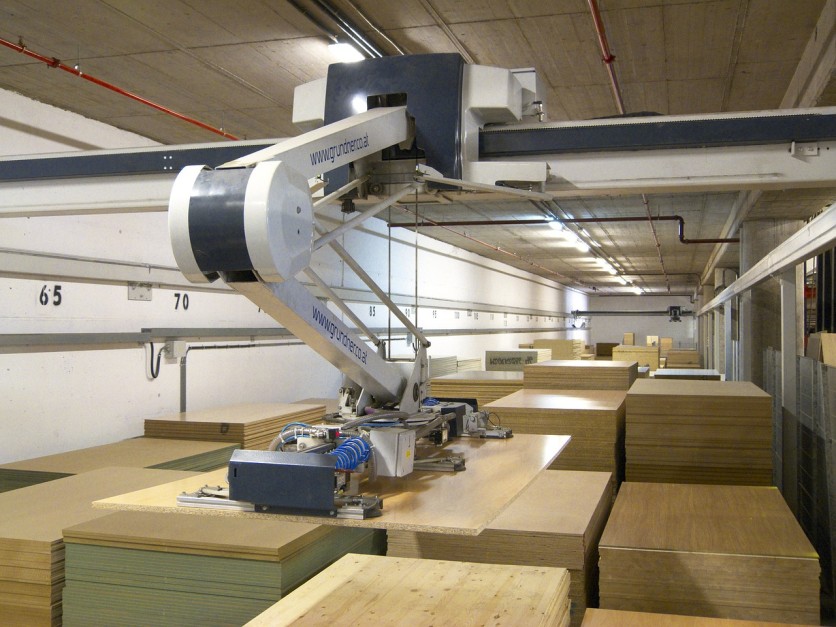
Warehouse robots are among the most widely adopted applications of robotics. E-commerce growth has driven demand for faster, more accurate fulfillment, and robot fleets are meeting this need.
World models allow warehouse robots to:
- Navigate complex layouts with minimal human intervention
- Optimize routes for picking and packing tasks
- Adapt to changes such as inventory movement or temporary obstacles
For example, in large fulfillment centers, robots dynamically reroute to avoid congestion, ensuring smooth operations even during peak demand.
How Are Robots Used in Warehouses?
Robots in warehouses handle tasks such as transporting goods, sorting packages, scanning inventory, and assisting with order fulfillment. They reduce manual labor while increasing speed and accuracy.
What Are the Benefits of Warehouse Automation?
Warehouse automation improves efficiency, reduces operational costs, minimizes errors, and enhances worker safety. It also enables businesses to scale operations more effectively.
Read more: Doosan Robotics Stock Hits Daily Ceiling on Huang Korea Robotics Pledge
Hospital Automation: Robotics in Healthcare Environments
Hospital automation is another area where robotics and world models are making a significant impact. Healthcare environments are highly dynamic and require strict safety standards, making them ideal for intelligent robotic systems.
Robots in hospitals are used for:
- Delivering medications and supplies
- Assisting in surgeries with precision tools
- Disinfecting rooms using UV or chemical systems
World models are essential in these settings because robots must navigate crowded and unpredictable spaces. A delivery robot, for example, needs to adjust its path if a hallway becomes busy or blocked.
How Are Robots Used in Hospitals?
Robots in hospitals perform tasks such as logistics support, surgical assistance, patient monitoring, and sanitation. These applications improve efficiency and allow healthcare professionals to focus on patient care.
What Is Hospital Automation?
Hospital automation refers to the use of technology, including robotics, to streamline medical and administrative processes. This includes everything from automated supply delivery to AI-assisted diagnostics.
Benefits of World Models and Robot Fleets in Robotics
The integration of world models and robot fleets offers several advantages across industries. These systems enhance both performance and scalability.
Key benefits include:
- Increased efficiency through optimized task execution
- Improved safety by reducing human exposure to hazards
- Greater adaptability in changing environments
- Enhanced collaboration between machines and human workers
In both warehouse robots and hospital automation, these benefits translate into faster operations and better outcomes.
Challenges and Limitations of Robotics in Real-World Environments
Despite significant advancements, robotics still faces several challenges when operating in real-world settings.
Some of the main limitations include:
- High initial costs for deployment and infrastructure
- Complexity in building accurate and reliable world models
- Data privacy and cybersecurity concerns
- Difficulty handling unpredictable human behavior
Addressing these challenges requires ongoing innovation in AI, hardware, and system integration.
What Are the Challenges of Robotics in Real-World Environments?
Robotics systems must deal with incomplete data, changing conditions, and safety requirements. Ensuring reliability in such environments remains one of the biggest technical hurdles.
Future of Robotics, World Models, and Automation
The future of robotics is closely tied to advancements in world models and multi-robot coordination. As AI becomes more sophisticated, robots will gain deeper contextual understanding and improved decision-making capabilities.
Emerging trends include:
- Integration with smart infrastructure and IoT systems
- Expansion of robot fleets into new industries such as agriculture and retail
- Improved human-robot collaboration through better interfaces and safety systems
These developments will further strengthen the role of robotics in both warehouse robots and hospital automation, making systems more intelligent and responsive.
Why Robotics, World Models, and Robot Fleets Are Transforming Industries
Robotics powered by world models and coordinated robot fleets is redefining how industries operate.
By enabling machines to understand and interact with the real world, these technologies are driving efficiency in warehouse robots and improving outcomes in hospital automation. As innovation continues, robotics will play an even greater role in shaping environments where precision, adaptability, and scale are essential.
Frequently Asked Questions
1. What industries beyond warehouses and hospitals use robot fleets?
Robot fleets are also used in agriculture, retail, construction, and security for tasks like monitoring, delivery, and automated inspections.
2. Do robot fleets require constant human supervision?
Most systems operate autonomously but still require human oversight for maintenance, exceptions, and safety monitoring.
3. How expensive is it to implement robotics with world models?
Costs vary widely depending on scale and complexity, but initial investments can be high due to hardware, software, and integration requirements.
4. Are robotics systems with world models secure from cyber threats?
They can be vulnerable if not properly secured, so encryption, network protection, and regular updates are essential for safe operation.
Read more: Unitree IPO Cleared, AGIBOT Hits 10,000 Units: China Humanoid Robot Duopoly Takes Shape

-
 C114 Communication Network
 -
 Communication Home
