
 Search


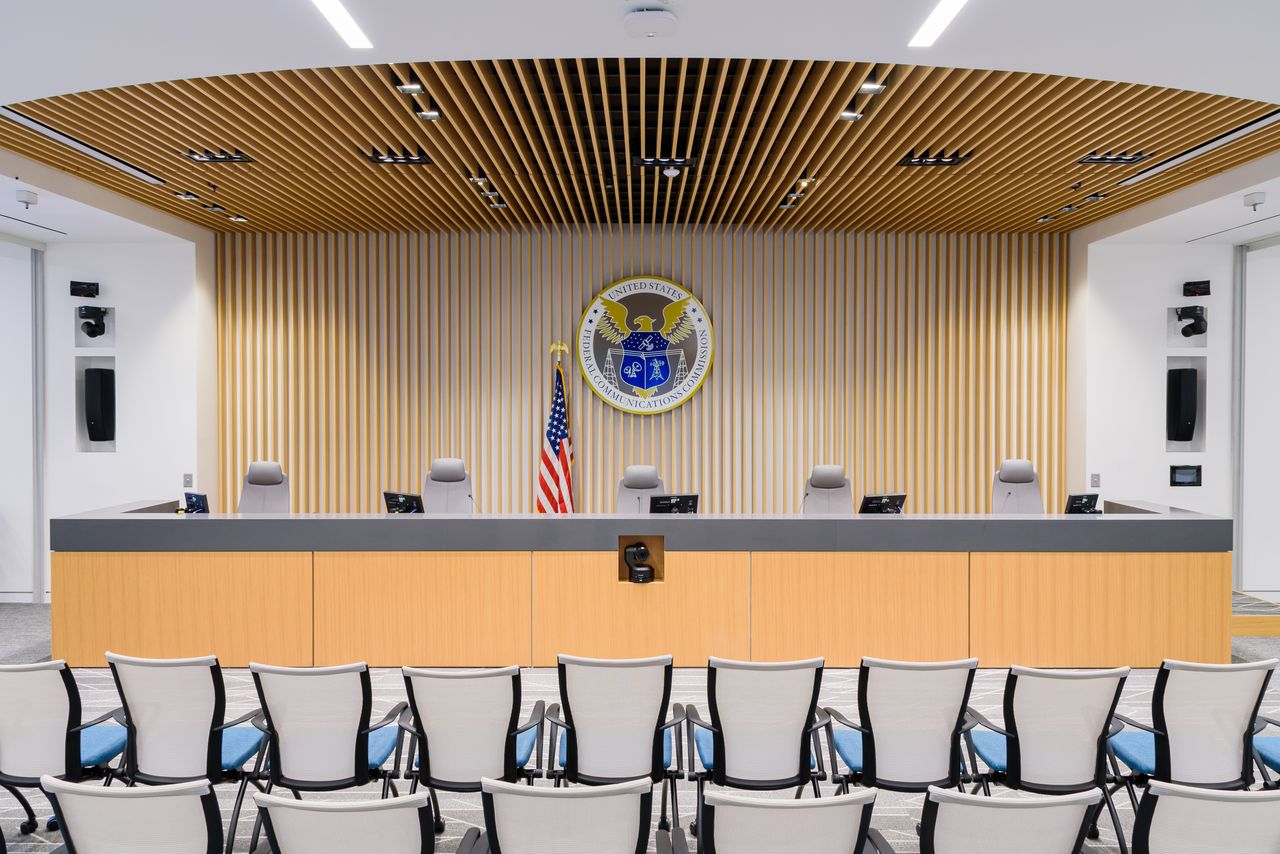
(Source: FCC)
In a move that further limits Chinese telecom operators' foothold in US communications infrastructure, the Federal Communications Commission (FCC) voted on Thursday to prohibit China Mobile, China Telecom, China Unicom and other IP-enabled service providers from gaining direct access to US phone numbers.
Several years ago, the FCC had already blocked the three companies from delivering international telecom services to the US.
The latest restriction on Chinese telecoms companies by the US telecom regulator came just hours after President Donald Trump held talks with Chinese President Xi Jinping at the Asia-Pacific Economic Cooperation (APEC) summit in Shenzhen.
The decision was driven by national security concerns and a wider crackdown on scam robocalls. The FCC said it would serve as "the first line of defense" against illegal robocalling operations.
"These rules will require new national security-focused certifications and improved authorization processes before VoIP (Voice over Internet Protocol) providers can get direct access to phone numbers," the FCC said in a statement.
VoIP lets voice calls to travel over the Internet, and direct access to US phone numbers helps providers cut costs while enabling more advanced calling features.
The FCC also said the restriction applies to IP-enabled providers using equipment from its covered list of firms considered national security risks, which includes Huawei and ZTE.
China-linked firms are likely to face further barriers, as the FCC is also considering banning Chinese telecom firms from connecting to US networks and operating data centers in the US.
Abusing state power
None of the three state-owned carriers – China Mobile, China Unicom, or China Telecom – have issued public comments on the FCC vote.
However, according to the South China Morning Post, China's embassy in Washington "firmly opposed and deplored" the move, accusing Washington of "overstretching the concept of national security and abusing state power to target Chinese businesses".
Embassy spokesperson Liu Chang told the Hong Kong-based newspaper that China would do what was necessary to firmly defend its legitimate and lawful rights and interests.
The latest FCC ban on Chinese telecoms operators came barely three weeks after Hong Kong carrier HKT International announced that it would end its US domestic and international services by September 2027, following pressure from the US telecoms operator.
In October 2025, the FCC ordered the company to show cause why its right to provide services in the US should not be revoked. The agency cited HKT's links to the Chinese state through China Unicom. The Beijing-controlled company is an 18% shareholder in PCCW, which owns a 52% majority stake in HKT.
The FCC said that the US-based operations of Chinese telecom firms were all vulnerable to exploitation and influence by the PRC government.

-
 C114 Communication Network
-
 Communication Home
