
 Search


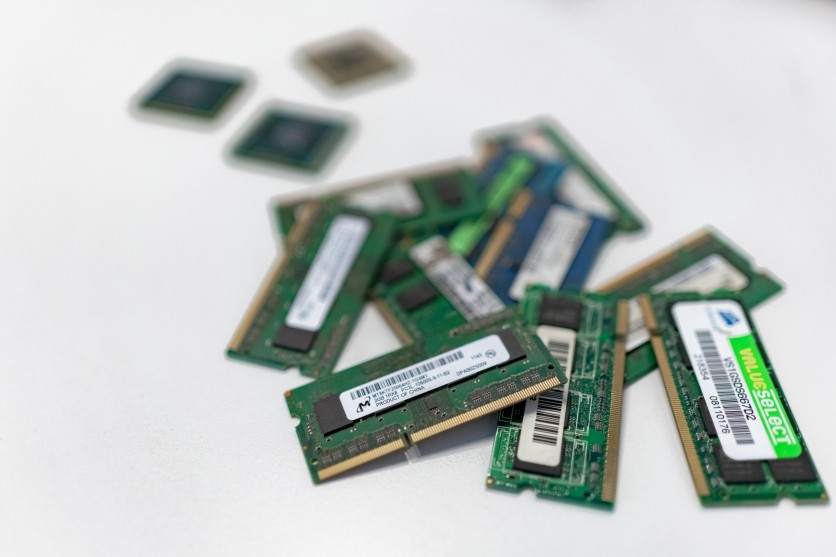
IT services EU/pexels.com
TrendForce forecast at its Roadshow Korea in Seoul on Nov. 18 that sixth-generation HBM4 will sell for $3 to $5.50 per gigabit (Gb) in 2027, against $2.05 per Gb in 2026, a gain of about 46% to 168%. Every AI accelerator, server, and memory-hungry device built next year sits downstream of that band, so buyers now have a per-unit price range to budget against instead of a single blended percentage.
TrendForce also expects HBM4E, the next generation, to price above $5 per Gb, with terms likely to be set around the first half of 2027. The firm's earlier 2027 forecasts were framed in percentages: HBM blended ASP up 121% and contract prices up 70% to 140%. The Seoul figures put a per-gigabit range on 2027 HBM4, which those percentage forecasts did not.
TokenPost and EconoTimes carried the same HBM4 range and the same quarterly DRAM path on Nov. 18.
Per-Gigabit Band Implies $864 to $1,584 Per 12-High HBM4 Stack
A 12-high HBM4 stack from Micron holds 36 GB, which is 288 Gb. TrendForce did not publish per-stack prices, so the following is TechTimes arithmetic. At $2.05 per Gb, one such stack costs about $590, in line with the roughly $550 estimate TechTimes reported in August and the roughly $600 that unnamed industry estimates cited by Seoul Economic Daily put on it. At $3 per Gb the same stack would cost about $864, and at $5.50 per Gb about $1,584.
Nvidia's Vera Rubin accelerator carries 288 GB of HBM4 across eight 36 GB stacks, or 2,304 Gb. On the same arithmetic, HBM alone costs about $4,723 per GPU at 2026 prices and $6,912 to $12,672 at TrendForce's 2027 band. This assumes the per-Gb band applies to 12-high 36 GB parts; the roadshow reporting did not state a stack height.
A cross-check supports the middle of the range. Industry estimates of about $1,300 per stack next year imply roughly $4.51 per Gb, inside the band.
Why Does 8-High HBM4 Cost More Per Gigabit Than 12-High?
Every HBM stack needs one base die at the bottom, which carries the logic and an interface that HBM4 doubled to 2,048 bits. That cost does not shrink in proportion to the number of DRAM layers above it, TrendForce said in September. An 8-high stack holds 192 Gb against 288 Gb in a 12-high stack, so the base die is spread over less memory.
TrendForce expects 8-high HBM to carry a 10% to 20% per-Gb premium over 12-high in 2027. The reason this matters now: TrendForce says GPU and ASIC makers are considering less HBM per device because supply is scarce and system costs are climbing quickly, not because demand is weakening.
The result is a split that the per-Gb headline hides. On TechTimes arithmetic, an 8-high stack at a 10% to 20% per-Gb premium costs about 20% to 27% less per stack than a 12-high stack, yet each gigabit costs more. A buyer who trims stack height can see per-Gb prices rise while total HBM spend per accelerator falls, so the per-Gb band alone cannot stand in for per-GPU cost.
HBM Takes About 30% of DRAM Wafer Input but Delivers Only 13% of Bits
HBM will account for about 30% of DRAM wafer input in 2027, up from 23% this year, TrendForce told the Seoul audience, and one HBM bit consumes three to four times the wafer area of a conventional DRAM bit. TrendForce's June estimate put 2026 at 22%, so the baseline differs by a point depending on the source. That June estimate paired the 30% wafer share with about 13% of DRAM bit supply, which implies roughly 2.9 times the wafer per bit, near the low end of the roadshow's 3x to 4x range (TechTimes calculation).
That squeeze is why phones, PCs, and servers feel an AI memory shortage. IDC projects PC shipments to fall 11.3% in 2026, with no relief before the end of 2027. SK hynix CEO Kwak Noh-jung told Reuters in July that 2027 would be the worst year for supply in the industry's history.
A class action filed June 25 in the Northern District of California alleges that the shift toward HBM is being used as a pretext to restrict supply of older DDR3 and DDR4 chips, in violation of Section 1 of the Sherman Act. The claims are unproven allegations.
TrendForce's 2027 DRAM Table Shows Gains Narrowing to 0% to 5% but No Decline
TrendForce expects conventional DRAM contract prices to rise 10% to 15% quarter over quarter in the fourth quarter of 2026. Its roadshow quarterly DRAM price table shows the increases narrowing through 2027: 5% to 10% in the first quarter, 3% to 8% in the second, and 0% to 5% in both the third and fourth. Even the lowest figure in the table is flat, not negative, so the forecast contains no quarterly price decline. A slower rise is still a rise, and it stacks on increases already paid.
Samsung's Reported Ask Falls Inside TrendForce's Band
Maeil Business Newspaper reported on Oct. 2 that Samsung is seeking a mid-to-high $4 range per Gb for HBM4, against roughly $1.50 for HBM3E. These are reported asking prices, not disclosed contract prices, and Samsung has not confirmed individual 2027 terms. KB Securities expects Samsung to contract HBM4 at the highest price of the three major suppliers. Micron has said 75% of fiscal 2027 volume is already committed at prices well above 2026 levels.
New Capacity Arrives in Late 2027, but Meaningful Output Waits for 2028
TrendForce expects new DRAM capacity to begin ramping from second-half 2027, with substantial output contributions not expected until 2028. Its August outlook projects combined server DRAM and HBM bit supply growth of 27% in 2027, which it attributes to process migrations and new-fab ramps in the second half. Seoul Economic Daily's AI-translated Korean report cites 2028 as when DRAM supply could shift.
China's ChangXin Memory Technologies (CXMT), which the same report calls China's largest DRAM maker, is expected to grow about 20%, and the report says that limited growth suggests the Korean-Chinese HBM gap will hold. CXMT and YMTC, China's NAND maker, both appear on the Pentagon's Section 1260H list of Chinese military companies, updated June 8, and YMTC has been on the U.S. Entity List since December 2022. China's National Intelligence Law of 2017 requires organizations to support state intelligence work in Article 7, a legal obligation for companies operating in China.
NAND Supply Loosens Sooner Than DRAM, but Enterprise SSDs Stay Tight
TrendForce's July outlook had NAND supply sufficiency forecast to turn positive in 2027, with looser supply as new capacity arrives in the second half. Its NAND report from Sept. 16 describes rising enterprise SSD demand, stalling consumer demand, and YMTC expansion. For the fourth quarter of 2026, TrendForce expects NAND contract prices to rise 15% to 20%, with enterprise SSD price growth expected to accelerate. These NAND points come from TrendForce's earlier reports, not from the Seoul roadshow.
What the Band Means for 2027 Budgets
HBM4 per-gigabit costs would rise 46% to 168% on TrendForce's figures, which works out to about $864 to $1,584 per 12-high stack by TechTimes arithmetic. Eight-high stacks lower spend per stack but carry a 10% to 20% per-gigabit premium, general-purpose DRAM keeps rising at a slower pace with no forecast decline, and meaningful new supply waits until 2028. Samsung's reported ask and Micron's committed volumes point to the upper half of the band being tested, though no 2027 contract price has been confirmed.
Frequently Asked Questions
Will RAM prices go down in 2027?
TrendForce's roadshow quarterly DRAM price table shows general-purpose DRAM contract gains narrowing to 0% to 5% per quarter by the second half of 2027, with no quarterly decline. Slower increases are not lower prices.
How much will HBM4 cost in 2027?
TrendForce forecasts $3 to $5.50 per gigabit, versus $2.05 in 2026. For a 12-high 36 GB stack, TechTimes arithmetic puts that at about $864 to $1,584.
Why would a smaller 8-high stack cost more per gigabit?
Each stack needs one base die whose cost does not fall with layer count, so 8-high stacks spread it over 192 Gb instead of 288 Gb, and TrendForce expects a 10% to 20% per-gigabit premium. Total spend per stack still falls, which is why per-gigabit price alone does not show an accelerator's memory bill.
Why does HBM make PCs and phones more expensive?
HBM is forecast to use about 30% of DRAM wafer input in 2027 for about 13% of bits, because one HBM bit needs three to four times the wafer of a conventional bit, per TrendForce's June estimate. That leaves less capacity for the DRAM that goes into PCs and phones.

-
 C114 Communication Network
-
 Communication Home
