
 Search


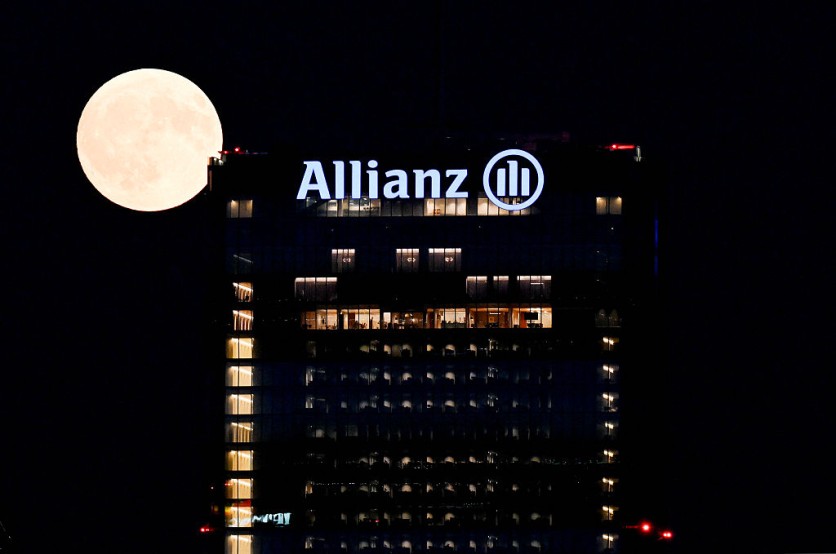
The full moon is seen rising behind the Isozaki tower designed by Japanese architect Arata Isozaki, headquarters of insurance company Allianz at the Citylife district in Milan, on August 8, 2025. Photo by STEFANO RELLANDINI/AFP via Getty Images
Allianz Commercial said on Nov. 19 that confirmed AI insurance claims badly understate the real exposure, because AI-related losses are being booked under cyber, directors and officers (D&O), product liability and crime policies, and it proposed four loss categories so insurers can label them consistently.
For any company running AI in daily operations, the label matters beyond the statistics. Some insurers are writing AI exclusions into liability policies at the same time, so how a loss is characterized after the fact can decide whether a policy pays.
Four Loss Categories Separate AI as Direct Cause, Contributing Factor, Accelerant and Dependency
Allianz, the Munich-based insurance group, sorts losses by AI's contribution to the damage.
- Direct AI loss: The AI system is the main cause of harm through a faulty action, decision, recommendation or output, such as flawed AI-generated advice that leads to a financial loss.
- AI-related loss: AI is a material factor, but the loss runs through broader business, governance, legal, reputational or third-party problems. Overstating what a company's AI can do, known as AI-washing, is the example.
- AI-accelerated loss: AI enables, scales or speeds up malicious activity such as cyber-attacks, deepfakes and fraud.
- AI-dependency loss: The triggering event has nothing to do with AI, but reliance on AI-driven processes and insufficient fallback capabilities make the loss last longer or cost more.
The deepfake category already has a benchmark case: engineering firm Arup lost about $25 million in 2024 after a Hong Kong employee, duped by a video call in which the CFO and other colleagues were deepfakes, made the transfers.
The fourth category is the least familiar. In Allianz's definition, the event not caused by AI still becomes costlier because of AI reliance and missing fallbacks. A company suffers an ordinary outage and then discovers it cannot run the process without the AI system.
Confirmed Claims Would Not Rank Among Top 20 Loss Drivers, Yet Scenarios Reach $100 Million
Allianz says it is already tracking AI claims in the millions of euros, including accidents tied to alleged defects in AI safety systems in vehicles and shareholder securities suits over misleading AI disclosures. The report says those cases could easily result in total industry losses in the region of $100 million, and a distributed version of the release says loss scenarios can reach triple-digit million figures. That is scenario analysis, not a tally of paid claims, and Allianz does not publish a claim count or a total paid.
The measurement gap is stark. AI jumped from tenth to second place in the Allianz Risk Barometer 2026, published in January, the largest rise of any risk, yet current claims data would not put AI among the top 20 loss drivers for commercial insurers. In July, Michael Daum, who heads Allianz Commercial's AI Risk and Claims Center of Excellence, called the claims picture "relatively calm" while warning against a false sense of security. The new report calls today's confirmed losses almost certainly "just the tip of the iceberg."
Incident, Securities-Suit and Ransomware Figures Climb, but Incidents Are Not Insured Losses
Allianz cites MIT AI Risk Initiative data, as of Oct. 7, counting 179 AI incidents in 2023, 307 in 2024 and 453 in 2025, an increase of more than 150% in two years. Those are reported events, not insured losses. MIT's incident tracker classifies reports from the AI Incident Database using a large language model pipeline, and that database relies on submissions from the public and subject matter experts, so the counts say little about how many incidents became claims.
US securities class actions tied to AI show the same upward slope. Cornerstone Research counted 15 AI-related filings in federal court in the first half of 2026 alone, against 16 in all of 2025. The D&O Diary's running tally reached 22 by late August and 24 by mid-September, and it later called a suit against Endava the 28th AI-related securities class action of 2026, so the totals vary with method and cutoff date. On the cyber side, Allianz says an AI-enhanced ransomware attack that moves on to data theft and encryption can cost 1,000 times more than one caught and contained early.
Insurers Add AI Exclusions to the Same Policy Lines Where Allianz Says Losses Hide
Here the Allianz thesis meets the market. Verisk's Insurance Services Office, whose standard forms many carriers adopt, released optional generative-AI exclusions for commercial general liability policies with January 2026 edition dates. Endorsement CG 40 47 removes coverage for bodily injury, property damage and personal and advertising injury arising from generative AI, and the trigger is any connection to AI, not how much of the work it touched. A review of state filings found 2,369 generative-AI exclusion records in force across 49 states by mid-2026. W.R. Berkley has gone further with Berkley's absolute AI exclusion across its D&O, errors and omissions, and fiduciary liability products.
RAND found carriers splitting three ways: some affirmatively cover AI losses, a growing number file broad exclusions, and most stay silent, which leaves coverage untested and open to dispute. The same report found AI-related losses span at least 11 insurance lines.
The people closest to the wording disagree on whether that is progress. Verisk's Joe Lam, who helped write the ISO endorsements, argues exclusions give underwriters the stability to accept risks they might otherwise walk away from. Melissa Hill, Allianz's North American head of claims, warned on Nov. 9 that if an entire operation shuts down and any component involves AI, a business may hear that "you're not going to be covered." Alana McMullin, a Lathrop GPM partner, expects E&O and D&O to be the first lines where aggressive exclusions are tested in denied claims, and no bellwether case exists yet.
Read more: UK Budget Launches First-Ever Software Liability Consultation for Cyber Breaches
What Does an AI-Dependency Loss Look Like When an Ordinary Outage Hits?
Business interruption insurance is typically added to property policies or package policies and pays only if the cause of loss is covered, so wording decides whether a shutdown with intact hardware but unworkable AI-run processes qualifies. That is the claims-side version of Allianz's fourth category: the outage is the cause, but the missing manual fallback sets the size of the bill.
Chubb frames AI as a multiplier across existing perils, where one AI-driven event can trigger cyber, crime, D&O and liability policies at once and leave unclear which one responds. Its guidance for risk managers also says to review policy wordings for gaps or exclusion drift.
Allianz Urges Oversight and Fallbacks While Selling the Cover It Analyzes
Allianz tells business leaders to put AI into governance and resilience planning, assign clear accountability, apply appropriate controls, keep human oversight and set workable fallback arrangements. It tells companies to use AI for prevention and detection, such as real-time fraud detection, predictive maintenance, supply chain monitoring and compliance surveillance, and says organizations using such tools have materially lower breach and business interruption costs. It tells insurers to use emerging claims data to show the real business impact of AI risks.
Treat the framework as a proposal. The four categories are Allianz's own, and the release does not say other insurers, regulators or courts have adopted them. Allianz Commercial insures mid-sized businesses, large enterprises and specialist risks, so its call for better data and governance also supports its underwriting and product positioning. The next signals are whether other carriers adopt the four-way split, how AI exclusions are worded in cyber and D&O renewals, and whether AI-dependency losses show up as business interruption disputes.
Read more: AI Decisions Outrun Accountability: Four in Five Enterprise Deployments Have No Named Owner
Frequently Asked Questions
Does business insurance cover AI losses?
It depends on policy wording. RAND found most carriers silent on AI, and silence is not the same as cover; the answer can turn on how the loss is characterized and which exclusions apply. Chubb's checklist for renewal tells risk managers to ask brokers which policy responds and whether exclusions apply when AI is only part of the cause.
Why do confirmed AI claims look small if the risk is rising?
Allianz says AI involvement is hard to identify, quantify or attribute, and that losses are often filed under cyber, D&O, product liability or crime. In July, Allianz also noted that losses historically lag adoption and can then grow quickly.
What is AI-washing, and why does it reach D&O policies?
AI-washing is a misleading promotional tactic that presents a product or service as having more AI involvement than it does. The SEC settled charges against two investment advisers on March 18, 2024, over allegedly misleading AI claims; the firms agreed to pay $400,000 in combined civil penalties without admitting or denying the findings. D&O insurance pays directors, officers or the company for losses or defense costs when someone sues over alleged wrongful acts in their roles, which can include misstatements, and Allianz says AI-washing is already producing D&O claims.
Is an AI incident the same as an AI insurance claim?
No. Incident databases count reported events, while an insurance claim needs a policy that responds to the loss. The MIT-based incident counts Allianz cites measure the former, and the rise refers to tracked incidents, not insurance claims.

-
 C114 Communication Network
-
 Communication Home
