
 Search


(Image credit: Future | Max Freeman-Mills)
For a long, long time, Logitech's G Pro X headsets have been extremely safe options if you're in the market for one of the best gaming headsets.
The first-generation version stuck around for years on end, well-constructed and with a design that stood the test of time – but now it's been supplanted twice over.
After the G Pro X2 didn't change a huge amount, what can the G Pro X3 Lightspeed do to upgrade things?
I've been using it as my go-to headset for a couple of weeks to find out – and it's been no surprise at all to confirm that it's another great launch from Logitech.
Price and Availability
Logitech launched the G Pro X3 Lightspeed in late September 2026, and it's been available to buy without any queues since 8 October, so it remains a very fresh launch.
Its pricing sits at a very similar level to the previous generation model, coming in at £229 in the UK, €259.99 in the EU, and $249.99 in the USA.
That means it's obviously a premium headset in most ways, and by most people's metrics, but also that it clearly swerves the option of going for the ultra-premium bracket, one that's fought over by the likes of SteelSeries and Audeze.
Design and Features
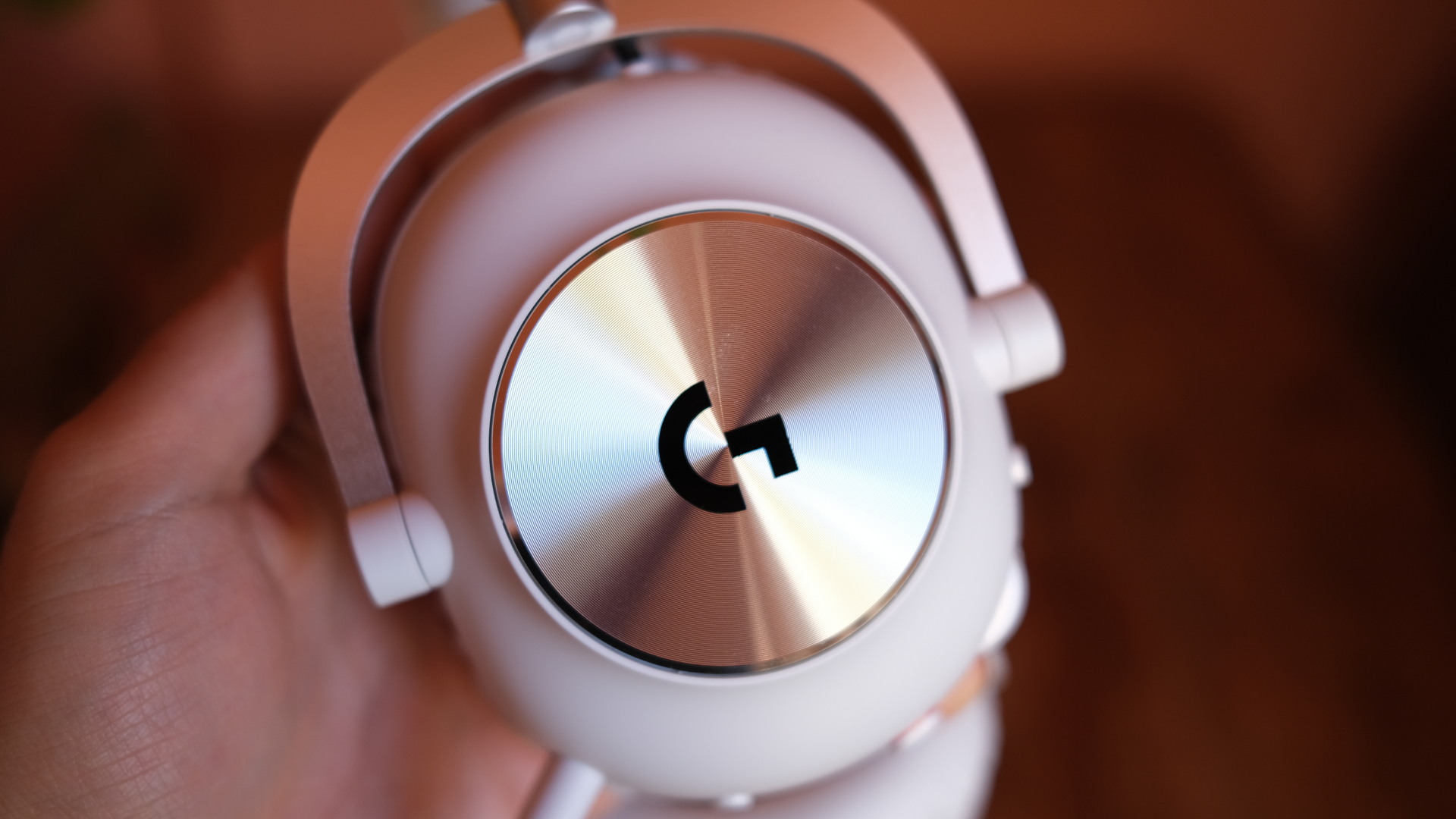
If you took a G Pro X3 and stood it right next to a G Pro X from way back in 2020, there's a good chance that most people wouldn't be able to tell the difference at a glance.
In those intervening years, however, Logitech has played around a bunch with the design language of its other headsets, but it rightly knows better than to toy with this hugely popular model.
That's arguably a polite way of saying that almost nothing has changed in design terms, and some might see that as a negative, particularly if they didn't love the fit or feel of the previous generations. In my book, though, you're allowed to take an "ain't broke, don't fix it" approach when you've done previous design work well.
That said, it would have been nice to see some innovation here, even if my complaints are thin on the ground. Could the microphone, for instance, be retractable instead of removable after all these years? I'd love it if so, but I know that other people's thoughts may differ.
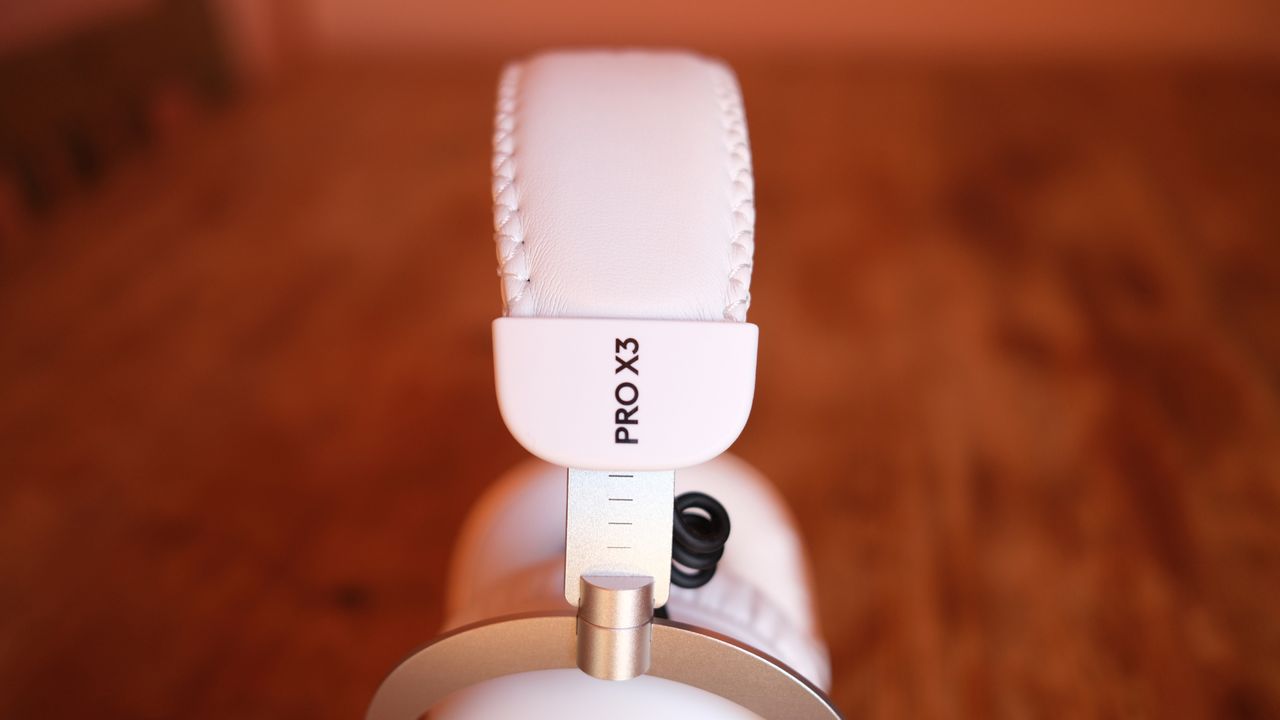
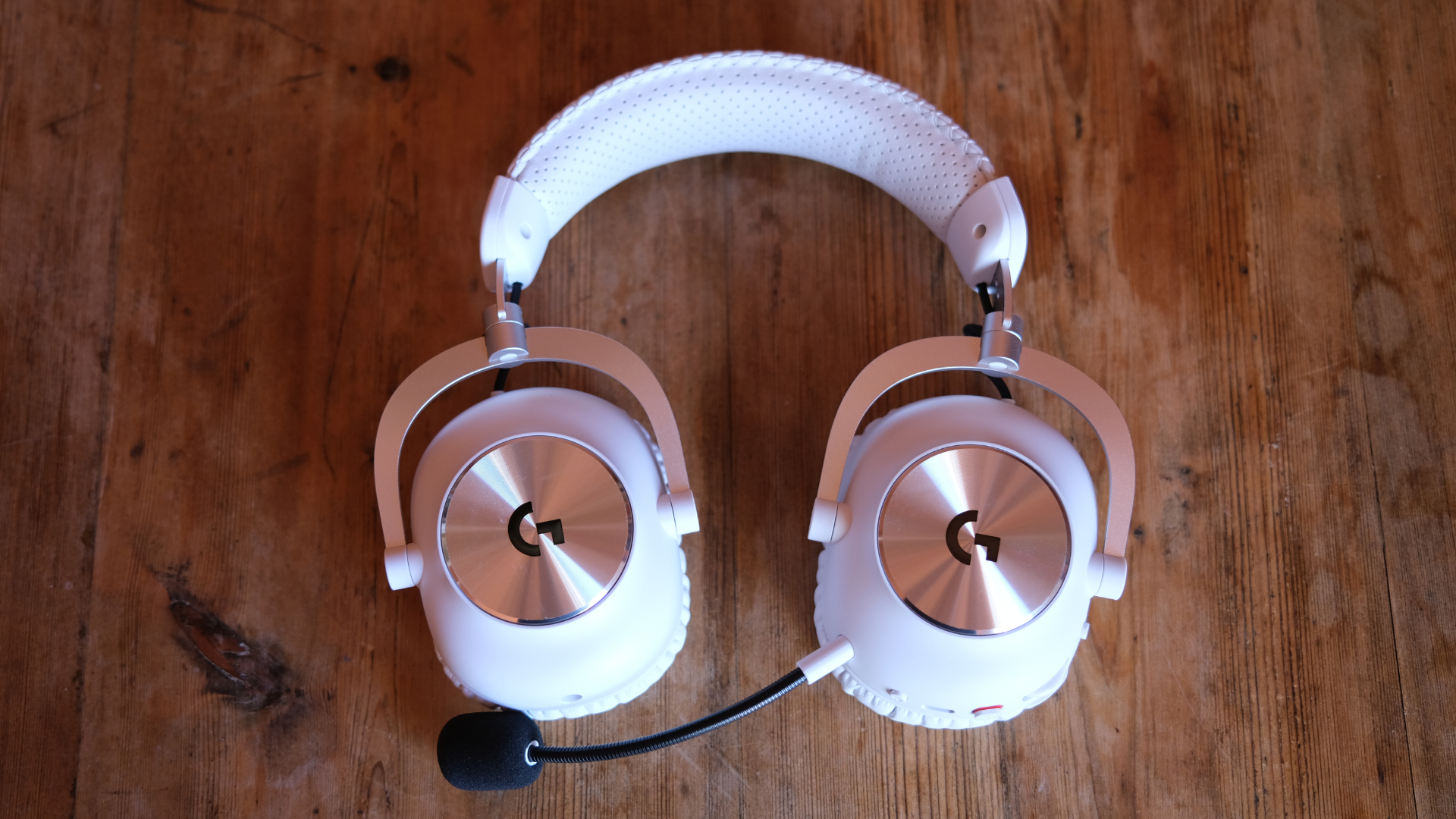
Still, that's a long way of getting to the point – the G Pro X3 Lightspeed looks about as "headset" as you can get. It has a really nice blend of metal, matte plastic and faux leather out of the box – with a headband that's impressively plush, and arms that feel really durable.
(Image credit: Future | Max Freeman-Mills)
(Image credit: Future | Max Freeman-Mills)
(Image credit: Future | Max Freeman-Mills)
View Original
View Original
View Original
The earcups have shiny Logitech G logos on the outside, whether you pick the headset up in black or white, and plenty of controls.
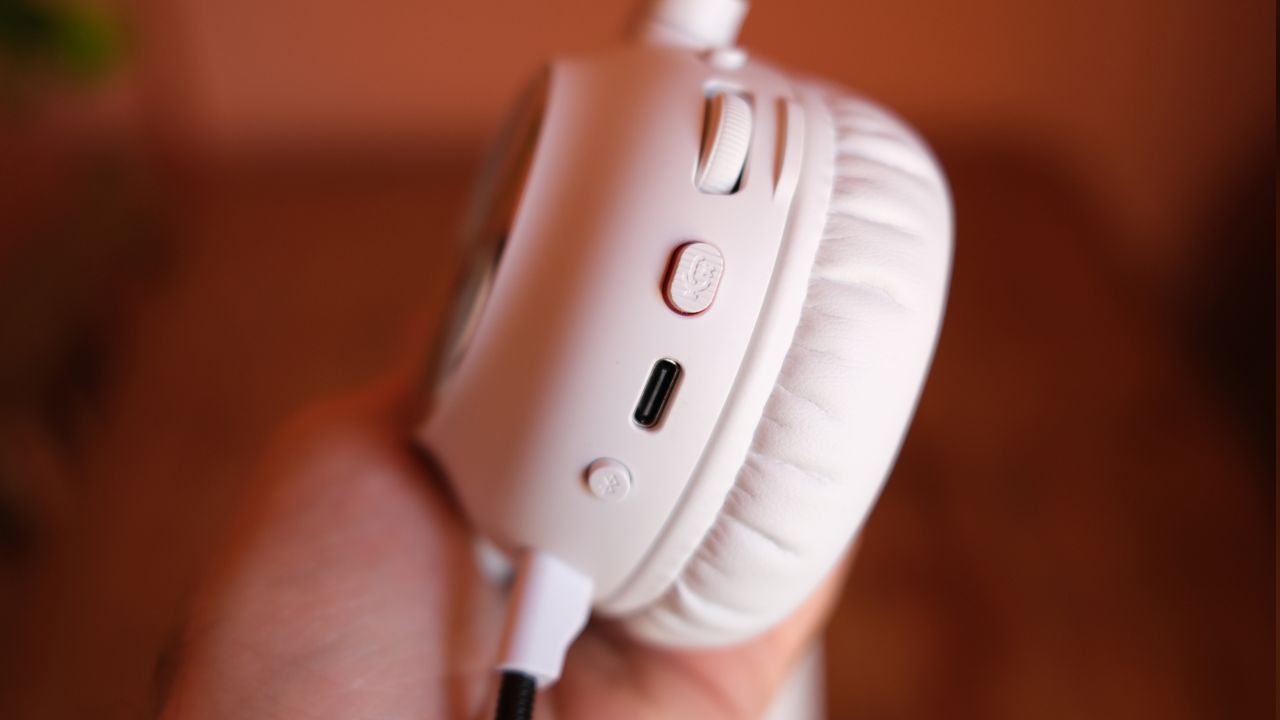
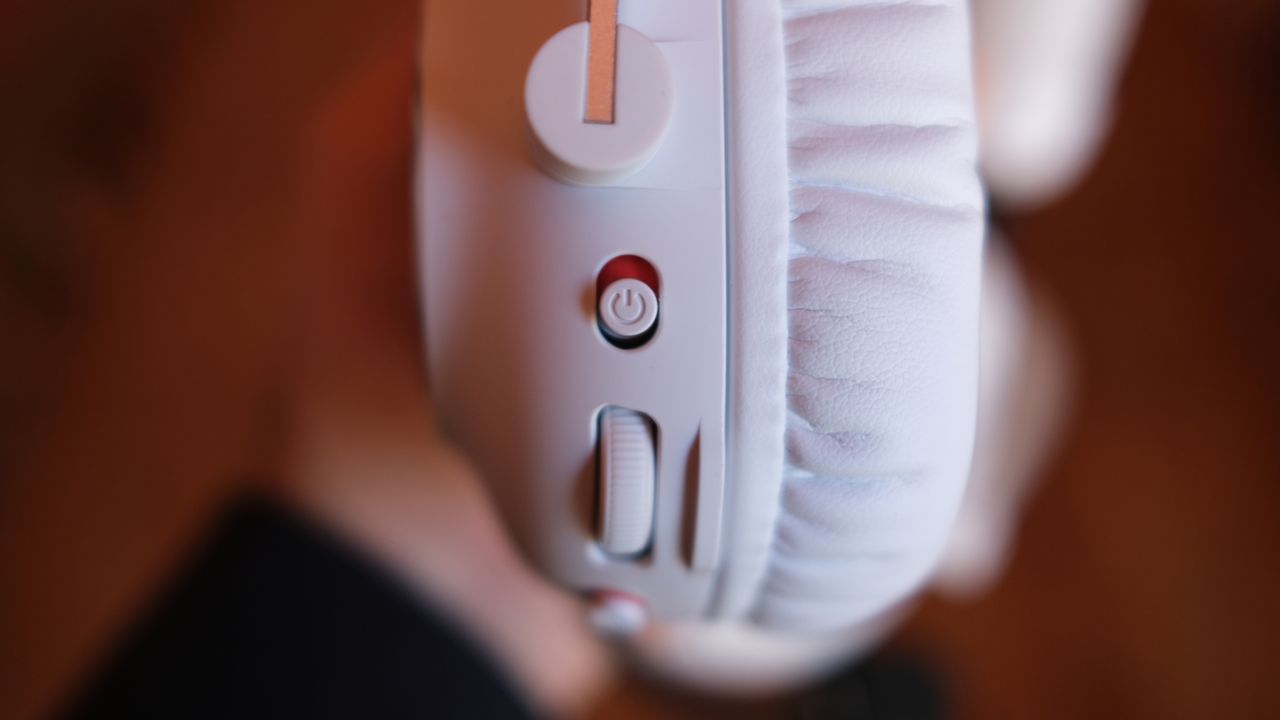
The right earcup has a sole 3.5mm jack for wired audio. It's the left that's more packed, featuring an on/off switch, a master volume dial, a mute button, a USB-C port for charging, and a Bluetooth pairing button. Finally, it has that removable microphone, which is easy to move around and position correctly.
The headset comes with a carrying bag, but also with a pair of ear cushion replacements, to let you swap out the leatherette default for a velour alternative. I prefer the standard option, and it's better for noise isolation, but this is a nice inclusion.
Comfort levels are really strong, based on my testing. While this isn't the lightest headset out there, at 356g, its cushioning is great, and I was able to happily wear it for three hours at a time without complaint. The box also includes the 2.4Ghz wireless adapter, which is USB-A, and it worked well during my use, holding connectivity well.
There's no noise-cancelling (ANC) on this headset, though, which is worth mentioning given its price.
However, there is a lot of customisation if you connect to a PC and use Logitech's software. Detailed EQ settings are available for both the audio output and microphone input – the latter is really cool and lets you tweak your voice settings in a granular way.
Finally, the stated battery life on offer is fairly whopping, standing at up to 70 hours on a single charge. That's very impressive, although it also means there's no battery-swapping feature here – Logitech has kept things simple and classic.
Sound and Performance
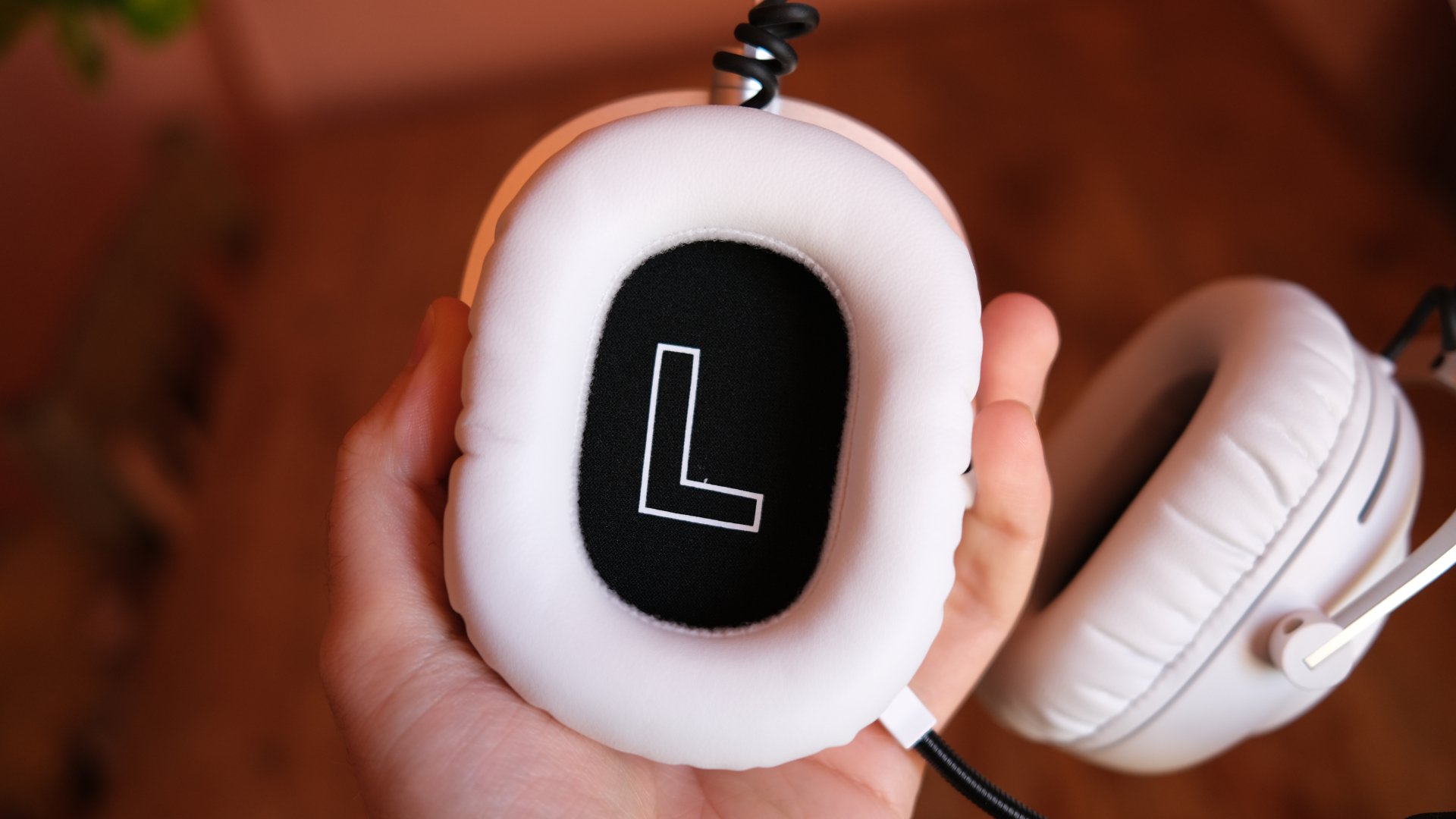
Of course, the G Pro X headsets of yore didn't really become popular because of their designs – it was the superb sound quality and good value that made them so successful. That value proposition is different for a brand-new successor, but how's the sound?
Well, it's predictably excellent. The big thing to note here is that I couldn't really pick out a generational gap between the X2 Lightspeed and the X3, though, where in-game audio was concerned. I played a whole heap of games while using the headset, including hours of Battlefield 6, Dragon's Dogma 2: Dark Arisen, and Ace Combat 8, all of which sounded excellent.
Battlefield's concussive warfare makes for some of the most overwhelming sound design in modern multiplayer gaming, and if you can pick out footsteps and audio cues within its soundscape, you're at an advantage. I found the X3 Lightspeed was ideal on that front, which is a great boon.
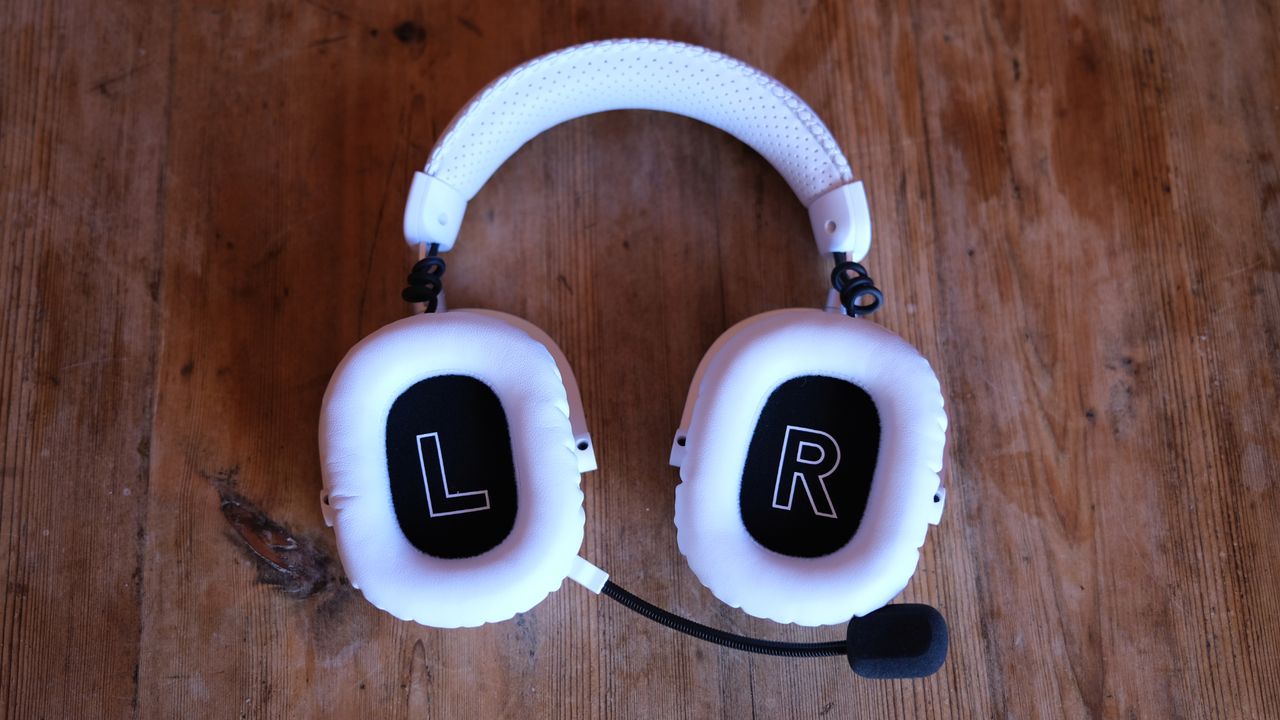
(Image credit: Future | Max Freeman-Mills)
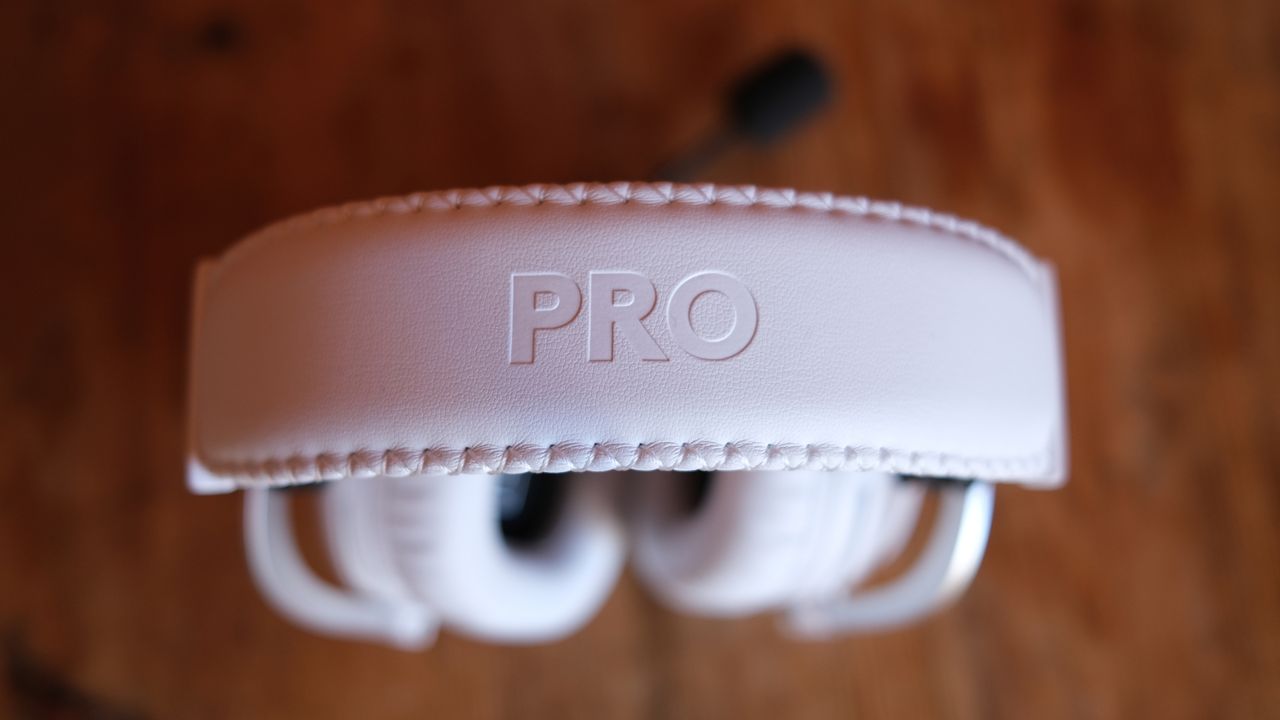
(Image credit: Future | Max Freeman-Mills)
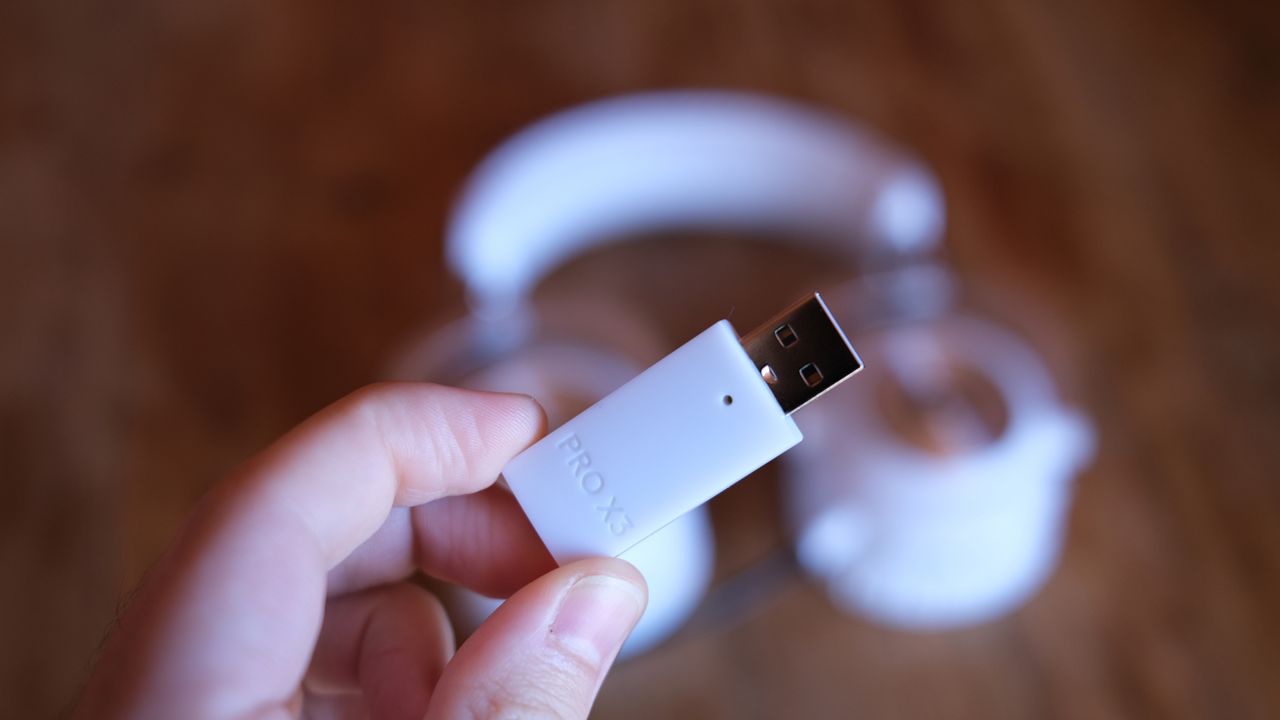
(Image credit: Future | Max Freeman-Mills)
View Original
View Original
View Original
Where there has been a huge leap, though, is on the microphone, which has been comprehensively upgraded and now stands as best-in-class.
The clarity and depth you get even right out of the box are startling, and with a little tweaking it can be genuinely broadcast-quality. Plenty of headsets claim that label, but few actually deserve it.
If you're on an older headset that has your friends constantly complaining about the feedback or quality of your voice, then this could be a really great choice, since I really don't think I've heard a microphone perform to this level on a headset below £350.
Speaking of tweaking the sound, Logitech's software on PC is pretty intuitive and makes it easy enough to make the changes you want, with good presets also cutting out the middleman if you don't want to tinker in too much detail.
Verdict
The G Pro X3 Lightspeed underlines the fact that Logitech knows what it's doing with this storied headset line – refining excellent previous work. The sound quality might be near-identical to the X2, and the design might be the same, but that doesn't mean it's anything other than excellent overall.
The key variable this time around is one of the best microphones in any headset, and based on my expansive testing, the single best one in its price bracket. If you care about being heard clearly, then you're going to want to think about this headset the next time you're due for an upgrade – it's that good.
Also Consider
The headset market is a deeply competitive one right now, and prices vary wildly from brand to brand and model to model.
If you're happy to spend a little more than what Logitech's asking, my favourite headset is the SteelSeries Arctis Nova Pro Omni, which has some features (like ANC and omni-compatibility) that the G Pro X3 can't match.
For a similar offering at a lower price, and without that ANC, you could look to the Glorious GHS Wireless InfinitePlay, which gives you desktop convenience at an impressive price. That said, it's less premium-feeling than Logitech's headset, and its microphone is a big step down.

-
 C114 Communication Network
 -
 Communication Home
