
 Search

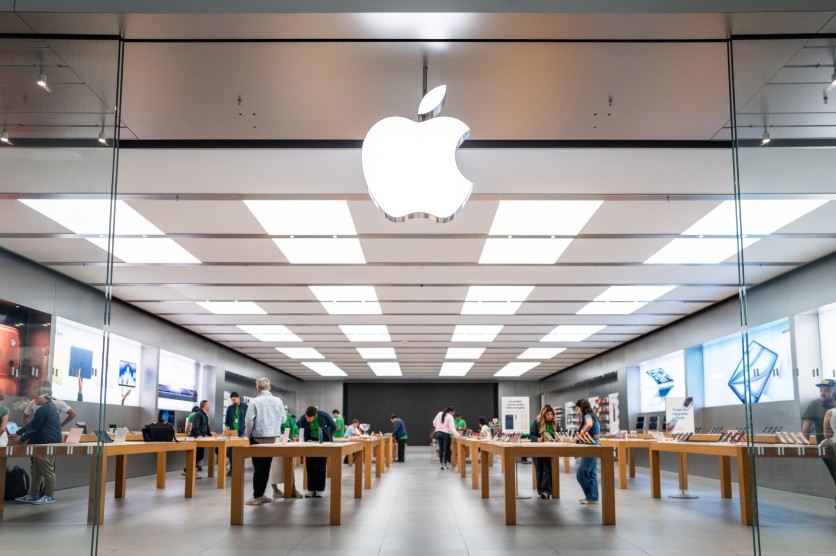
The Apple logo is seen at an Apple store in the Barton Creek Square mall on April 30, 2026 in Austin, Texas. Apple Inc. reported fiscal second-quarter 2026 revenue of $111.2 billion, marking a 17% increase year over year. Brandon Bell//Getty Images
Apple will begin mass-producing its first foldable iPhone in late July, with a hinge problem that had fueled delay rumors now mostly resolved, keeping a September unveiling on track, according to a June 24 report by The Elec citing Apple supply-chain sources in South Korea and Taiwan.
The headline is the timeline, but the real news is buried in one phrase: the hinge is mostly resolved. Apple has been late to foldables for a reason — it refused to ship until the single component that makes or breaks the category met its standards. That the hinge has now cleared is what actually unlocks everything downstream: the July production start, the September reveal, the reshuffled fall lineup, and a record price.
What Apple Has Locked In
Apple has finalized the foldable's key specifications — display, casing, and mechanical parts — and entered mass-production preparation, with Foxconn handling initial units after a first trial run in April. Samsung Display supplies the foldable OLED panel and recently won Apple's approval to ship initial modules from its Vietnam plant, completing the module stage — attaching the driver circuit, flexible PCB, and protective parts. Korean media report a three-year exclusive deal and an initial order of about three million panels: a small, premium-tier volume that signals a deliberate first-generation introduction rather than a push for scale.
Why the Hinge Decides Everything
A regular phone is a rigid slab. A foldable has to bend a glass-and-OLED sandwich hundreds of thousands of times over its life without cracking the screen, loosening, or leaving an ugly crease — and the part that governs all of that is the hinge. It carries the folding display through its arc, sets how flat the phone closes and how gentle the bend radius is (which determines how visible the crease is), and absorbs the mechanical stress of every open-and-close so the panel doesn't. That is why a hinge problem is existential, not cosmetic.
The hinge — supplied by Taiwan's Shin Zu Shing and U.S.-based Amphenol using 3D-printed modules — is the component that defines a foldable's feel, crease, and durability. A Taiwan industry source said durability testing over millions of fold cycles had produced slight hinge noise, and that tolerances in some assembly steps ran larger than expected, raising the defect rate — exactly the failure modes that have dogged early Android foldables. "Most of these issues are now resolved," the source said, meaning Apple has driven the defects down enough to commit to volume.
Read more: iPhone Ultra Rumored to Feature Liquid Metal Hinge For Foldable Design
It is worth noting how fast this picture has moved. Only days earlier, the same supply chain was describing the hinge as the open variable — with potential delays of two weeks to a month and Apple still "experiencing difficulties stabilizing" the module — even as Samsung Display said it had no issues on the panel side. The latest reporting now points the other way, toward production. But the caveat that travels with it is real: if Apple tightens inspection on each hinge, it can still slow the ramp and constrain early stock, even with a September announcement intact.
How the Foldable Reshapes Apple's Fall
Industry chatter had suggested Apple might unveil the phone in September yet push back actual sales, applying strict quality standards to its first foldable; the latest reporting indicates it is proceeding toward production. The launch also appears to be reshaping Apple's fall strategy. With the foldable added, the September event is expected to center on the Pro, Pro Max, and the foldable — which leakers expect to carry "Ultra" branding, though Apple hasn't confirmed it — and a supply-chain source said the standard iPhone 18 could be split off to a separate launch as late as next spring.
Analysts peg the foldable's starting price near $1,999, which would make it Apple's most expensive iPhone yet — a figure consistent with the small three-million-panel order and the premium, prove-the-category posture of a first-generation device. It arrives into a market Samsung has had largely to itself for years, which is the other reason the hinge mattered so much: entering late, Apple has to enter polished.
Read more: Galaxy Z Fold or Wait for iPhone Foldable? Samsung Leads While Apple Prepares 2026 Entry
Frequently Asked Questions
When will the foldable iPhone come out?
According to a June 24 report by The Elec, Apple will begin mass-producing its first foldable iPhone in late July 2026, keeping it on track for an unveiling at Apple's September event alongside the iPhone 18 Pro and Pro Max. However, there could be a gap between the announcement and actual availability, and the schedule depends on Apple's final readiness — particularly with the hinge, which had been the main source of delay concerns. All timing remains based on supply-chain reporting, as Apple has not officially announced the device.
Why does a foldable phone's hinge matter so much?
The hinge is arguably the most critical component in a foldable phone. It carries the flexible display through every fold, determines how flat the device closes and how tight the bend radius is — which affects how visible the crease is — and absorbs the mechanical stress of repeated folding so the screen doesn't crack or wear out. A poorly engineered hinge can cause noise, looseness, creasing, or outright failure over time, problems that troubled many early foldables. That is why Apple's reported hinge issues, and their resolution, are central to whether the device ships on schedule.
How much will the foldable iPhone cost?
Analysts estimate the foldable iPhone will start near $1,999, which would make it the most expensive iPhone Apple has ever sold. That pricing aligns with its positioning as an ultra-premium, first-generation product, reinforced by a reported initial order of only about three million display panels — a small, high-end volume rather than a mass-market launch. The price has not been confirmed by Apple and could change.
Who makes the foldable iPhone's display?
Samsung Display is the exclusive supplier of the foldable OLED panel under a reported three-year agreement, meaning no rival panel maker will supply the foldable's display during that period. Samsung Display recently received Apple's approval to begin module production, clearing a yield threshold reported above Apple's required level, and has begun output at its back-end facility in Vietnam. The hinge, a separate component, is reportedly supplied by Taiwan's Shin Zu Shing and U.S.-based Amphenol.

-
 C114 Communication Network
 -
 Communication Home
