
 Search

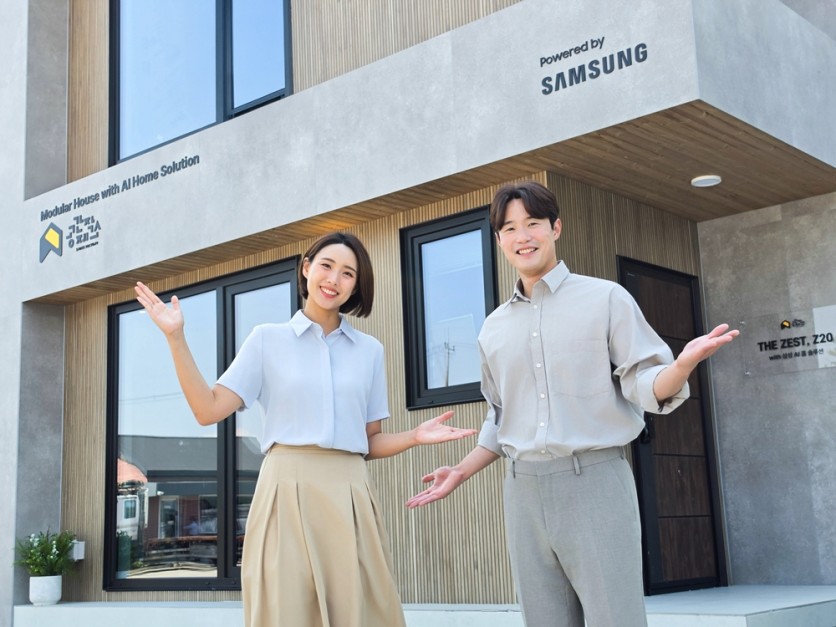
Samsung Electronics has opened a "Samsung AI Modular Home" solution showroom in collaboration with Gongganjejakso. Samsung News Room
Samsung Electronics will expand its AI modular-home business from single-family houses into apartments, public housing, and commercial buildings, setting a goal of supplying 10,000 AI modular homes within three years and scaling to 30,000 by 2029.
Samsung unveiled the plan on June 24 at a "Samsung AI Modular Home" showroom event in Hwaseong. Read closely, the move is less about getting into housing than about manufacturing new demand for appliances: with global appliance sales flat, Samsung wants the home itself to become the place its products and its SmartThings platform are installed — before anyone moves in.
What an AI Modular Home Is
The concept packages AI appliances and smart devices into a factory-built modular house as a single unit, so buyers can use AI home services without separately purchasing and installing products — with the home's appliance, water, and drainage layout planned in from the start. Samsung entered the single-family modular market with Gongganjejakso, a wooden-modular-home specialist. Its CEO, Park Jeong-jin, said a modular home has more than 80% of its structure built in a factory, with only simple assembly on-site, cutting construction time by about 50% versus reinforced-concrete buildings — roughly 90 days instead of 180 — while ensuring uniform quality. He said those advantages should grow Korea's modular-housing market from 4,000 units this year to 23,000 by 2034.
Why Building the Platform In Changes the Business
The strategy hinges on Samsung's SmartThings platform. Rather than installing appliances and IoT devices after move-in, Samsung wants to connect a personalized living environment from the design stage — meaning the appliance dimensions, the plumbing runs, the electrical wiring, and even the sensor and camera positions are planned around its products before the house is built, and the devices are installed and registered at the factory. "The home Samsung envisions is completed with a single QR code," an official said, describing modular homes that come pre-loaded with connected appliances.
That changes what Samsung is selling. The house becomes a delivery vehicle for the SmartThings ecosystem and the recurring services that ride on top of it — security tie-ins, energy management, remote home-care — anchored to an install base that is locked in from the day the home is designed. With appliance hardware a mature, low-growth business, the building is a way to create fresh demand and a durable platform around it.
Read more: CES 2026: Samsung's 'The First Look' Reveals Heavy Integration of AI in Company's Future
Samsung Supplies the Brains, Not the Building
A key detail sets Samsung's approach apart: it is not becoming a homebuilder. Gongganjejakso builds the houses; Samsung attaches its AI-home layer to them. That distinguishes the strategy from LG Electronics' Smart Cottage, where LG handles the home's design, manufacturing, appliance fitment, and sale directly. Samsung is instead bolting its ecosystem onto a partner's factory-built homes to open a new sales channel, which is why it plans to broaden the business from houses to apartments and mixed-use buildings — and is reviewing partners beyond Gongganjejakso.
The openness extends to the devices themselves: Samsung says SmartThings supports a wide range of non-Samsung products, an attempt to position the platform as the home's connective layer rather than a closed Samsung-only system. Buyers can choose from more than 20 SmartThings-compatible devices — air conditioners, heat-pump boilers, refrigerators, TVs, smart lighting, and home and door cameras — and use them the moment they move in.
Read more: Samsung Now Lets You Control Your Smart Home Straight Using Your Car Infotainment
Already Selling Abroad
The push is also a hedge against stagnant hardware sales at home and overseas. Samsung says its modular-home business is already generating revenue in North America, where it is supplying appliances through a major homebuilder, with Europe, Australia, and Hawaii under review. Domestically, it will offer basic, standard, and premium packages; for the most common size, roughly 66 square meters, the Samsung AI-home package runs from the low millions of won at the basic tier to the mid-teens of millions at the premium tier, on top of the cost of the house itself. Whether the 10,000-unit goal is reached or not, the direction is clear: Samsung wants to stop waiting for customers to bring its appliances into the home, and start shipping the home with the appliances already inside.
Frequently Asked Questions
What is a Samsung AI modular home?
It is a factory-built modular house that comes with Samsung's AI appliances and SmartThings-based smart-home system already installed and registered from the production stage. Rather than buying appliances separately and connecting them after moving in, the buyer gets a home where the appliance layout, plumbing, wiring, and sensor placement were planned around Samsung's products from the design stage. Samsung partners with modular-housing specialist Gongganjejakso to build the homes and supplies the AI-home layer; residents can use the connected appliances and services as soon as they move in.
Is Samsung building and selling houses now?
Not exactly. Samsung is not becoming a homebuilder — it does not design, manufacture, or sell the houses themselves. Its partner, Gongganjejakso, builds the modular homes, and Samsung attaches its AI appliances and SmartThings platform to them. This is different from LG Electronics' Smart Cottage, where LG handles the home's design, construction, appliance fitment, and sale directly. Samsung's approach is to use the home as a new channel for its appliance and smart-home ecosystem rather than to enter the construction business itself.
Why is Samsung doing this?
Global appliance sales have been largely flat, so Samsung is looking for new ways to create demand and differentiate. By embedding its appliances and SmartThings platform into homes from the design stage, it secures an install base for connected services — such as security, energy management, and remote home-care — and locks in its ecosystem before competitors. Samsung has said SmartThings also supports many non-Samsung devices, positioning it as the home's central platform. The modular-home channel lets Samsung sell the connected home as a package rather than waiting for customers to assemble one.
How much does a Samsung AI modular home cost?
Costs vary by house size and package tier. Samsung and Gongganjejakso offer basic, standard, and premium options. For the most popular size — around 66 square meters — Samsung's AI-home package is reported to run from roughly the low millions of won at the basic tier to the mid-teens of millions at the premium tier, separate from the price of the modular house itself, which starts around several million won per 3.3 square meters. Pricing for larger homes scales up accordingly. Final pricing depends on the chosen devices, finishes, and house size.

-
 C114 Communication Network
 -
 Communication Home
