
 Search

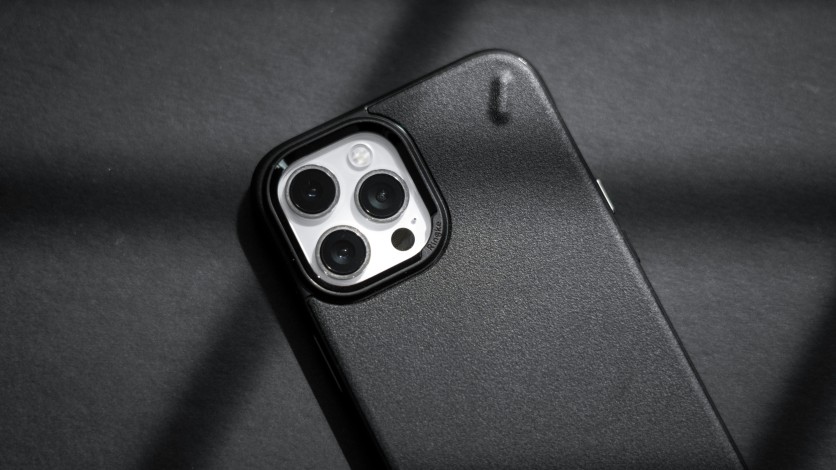
Mark Chan/Unsplash
3D phone case technology is transforming mobile protection by offering users unprecedented customization through 3D printing. Unlike traditional mass-produced cases, this technology allows intricate designs, textures, and personalized fits for virtually any device model without relying on molds, opening the door for highly creative and functional custom smartphone accessories.
The rise of 3D-printed cases aligns with a broader trend of personalization in tech, where consumers value individuality and utility together. From engraved patterns to specialized ergonomic designs, 3D printing allows users to blend aesthetics with protection. As interest grows, these custom solutions are becoming key drivers of innovation in mobile accessories, challenging conventional manufacturing and pushing the limits of what a 3D phone case can offer.
Advantages of 3D Printing in Custom Smartphone Accessories
3D printing offers transformative benefits for creating custom smartphone accessories that traditional manufacturing cannot match. Beyond aesthetic freedom, it allows rapid prototyping, on-demand production, and use of diverse materials tailored to each user's needs.
The versatility of 3D printing supports both protective and decorative designs, making it easier for consumers to combine function with personal style. Whether for professional use or casual personalization, 3D phone cases produced through this technology represent a leap forward in the customization of mobile devices.
- Limitless Design Flexibility: 3D printing allows patterns, textures, and personalized engravings impossible with conventional methods.
- Rapid Production: On-demand creation in hours reduces costs for small runs and enables fast prototyping of unique 3D phone case designs.
- Material Versatility: TPU, PLA, and PETG provide options for flexible, rigid, or balanced protection that suits both style and function.
- Cost Efficiency: Eliminating molds and tooling reduces price points, making customized cases affordable even for low-volume production.
- Precision Fit: Scanning and modeling ensure accurate dimensions for any smartphone, including iPhones, Androids, and other devices.
- Enhanced Personalization: Users can combine visual design with functional elements like grips, kickstands, or reinforced corners for specialized protection.
Read more: Do Smartphones Really Need 24GB RAM in 2025? Phone Performance and Mobile Hardware Explained
Challenges and Future of 3D Phone Case Technology
While 3D phone cases offer remarkable customization, there are practical challenges to consider. Printing highly intricate designs can be time-consuming, and durability varies based on printer quality and material selection.
Despite these challenges, innovations in multi-material printing and retail integration promise a more seamless consumer experience. As printers become faster and more versatile, 3D-printed phone cases could achieve mainstream adoption, combining strength, style, and personalization in one device accessory.
- Print Time for Complex Designs: Highly detailed 3D phone cases can take hours to produce, limiting mass production speed.
- Durability Variations: Consumer-grade printers may produce cases with weaker layer adhesion, affecting longevity.
- Material Limitations: Some hybrid or flexible designs remain difficult to achieve with single-material printers.
- Multi-Material Advancements: Future printers may combine rigidity, grip, and aesthetics in one case for premium performance.
- Retail Integration: Kiosks and apps could allow in-store 3D printing of personalized cases, bringing mass-customization to mainstream consumers.
- Scalability Concerns: While customization is high, scaling for large-volume demand without losing quality remains a challenge.
Designing Your Own 3D Phone Case
Creating a custom 3D phone case is more accessible than ever. Free, user-friendly software like Tinkercad allows anyone to design a case from scratch or modify pre-existing templates. Phone scanning apps generate precise dimensions to ensure a snug, accurate fit for your device, eliminating common sizing errors that occur with mass-produced cases. Users can experiment with textures, patterns, and colors, giving their phones a unique, personalized appearance while maintaining protection.
Once the design is finalized, it can be printed at home using consumer-grade 3D printers or sent to professional 3D printing services for higher-quality results. Functional features like integrated grips, stands, or reinforced corners can be added during the design process, combining style with practicality. This approach transforms a standard phone accessory into a fully personalized tool, reflecting both individual taste and everyday usability, while benefiting from the flexibility and precision of 3D printing.
Conclusion
3D phone cases created via 3D printing represent a new era in custom smartphone accessories, blending protection, style, and personalization. This technology allows users to craft precise fits, intricate designs, and functional enhancements that traditional manufacturing cannot achieve, catering to growing demand for individuality in mobile tech.
Advances in multi-material printing, improved durability, and integration with retail or online services promise wider accessibility and mainstream adoption. As users increasingly seek both aesthetic appeal and reliable protection, 3D-printed phone cases are poised to become standard for personalized mobile solutions, offering creative freedom while maintaining high functionality and practical benefits.
Frequently Asked Questions
1. Can I 3D print a case for any smartphone?
Yes, open-source models, scanning apps, and custom designs allow precise fits for iPhones, Androids, and other devices.
2. Are 3D-printed cases as durable as regular cases?
High-quality filaments like TPU or PETG provide protection comparable to traditional cases, though durability depends on printer quality and layer adhesion.
3. How much does a custom 3D phone case cost?
Prices typically range from $10 to $50 depending on complexity, materials, and whether you print at home or use professional services.
4. What software or tools do I need to design my own 3D phone case?
Free programs like Tinkercad, phone scanning apps, and 3D printers (or printing services) make it easy to create precise, functional designs.
Read more: TORRAS Ostand Q3 Air for iPhone 16 Pro Max: The Air Built-in Case That Redefines Protection and Style

-
 C114 Communication Network
 -
 Communication Home
