
 Search

Credit: Micron Technology
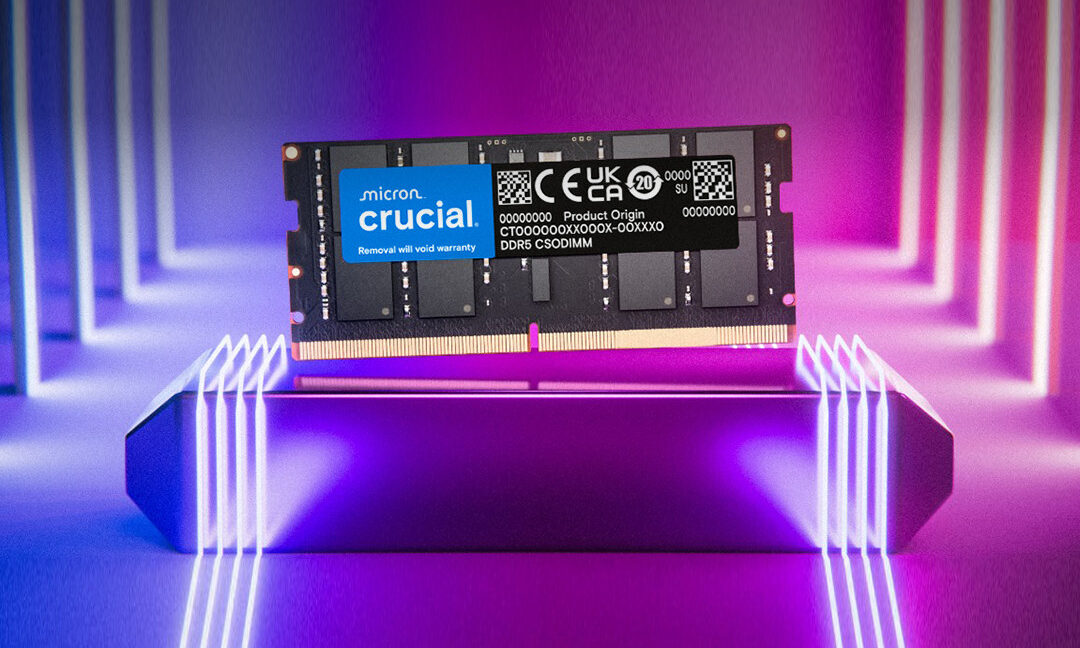
On Wednesday, Micron Technology announced it will exit the consumer RAM business in 2026, ending 29 years of selling RAM and SSDs to PC builders and enthusiasts under the Crucial brand. The company cited heavy demand from AI data centers as the reason for abandoning its consumer brand, a move that will remove one of the most recognizable names in the do-it-yourself PC upgrade market.
“The AI-driven growth in the data center has led to a surge in demand for memory and storage,” Sumit Sadana, EVP and chief business officer at Micron Technology, said in a statement. “Micron has made the difficult decision to exit the Crucial consumer business in order to improve supply and support for our larger, strategic customers in faster-growing segments.”
Micron said it will continue shipping Crucial consumer products through the end of its fiscal second quarter in February 2026 and will honor warranties on existing products. The company will continue selling Micron-branded enterprise products to commercial customers and plans to redeploy affected employees to other positions within the company.
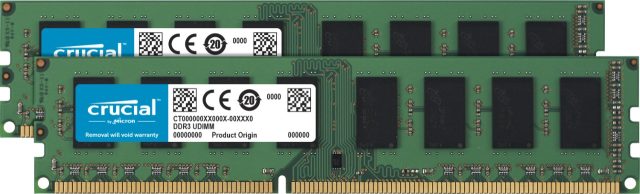
Crucial launched in 1996 during the Pentium era as Micron’s consumer brand for RAM and storage upgrades. Over the years, the brand expanded to encompass other memory-related products such as SSDs, flash memory cards, and portable storage drives. Micron Technology has been manufacturing RAM since 1981.
Consumer RAM market squeezed by AI infrastructure
The surprise announcement from Micron follows a period of rapidly escalating memory prices, as we reported in November. A typical 32GB DDR5 RAM kit that cost around $82 in August now sells for about $310, and higher-capacity kits have seen even steeper increases.
DRAM contract prices have increased 171 percent year over year, according to industry data. Gerry Chen, general manager of memory manufacturer TeamGroup, warned that the situation will worsen in the first half of 2026 once distributors exhaust their remaining inventory. He expects supply constraints to persist through late 2027 or beyond.
The fault lies squarely at the feet of AI mania in the tech industry. The construction of new AI infrastructure has created unprecedented demand for high-bandwidth memory (HBM), the specialized DRAM used in AI accelerators from Nvidia and AMD. Memory manufacturers have been reallocating production capacity away from consumer products toward these more profitable enterprise components, and Micron has presold its entire HBM output through 2026.

A photo of the “Stargate I” site in Abilene, Texas. AI data center sites like this are eating up the RAM supply.
Credit: OpenAI
At the moment, the structural imbalance between AI demand and consumer supply shows no signs of easing. OpenAI’s Stargate project has reportedly signed agreements for up to 900,000 wafers of DRAM per month, which could account for nearly 40 percent of global production.
The shortage has already forced companies to adapt. As Ars’ Andrew Cunningham reported, laptop maker Framework stopped selling standalone RAM kits in late November to prevent scalping and said it will likely be forced to raise prices soon.
For Micron, the calculus is clear: Enterprise customers pay more and buy in bulk. But for the DIY PC community, the decision will leave PC builders with one fewer option when reaching for the RAM sticks. In his statement, Sadana reflected on the brand’s 29-year run.
“Thanks to a passionate community of consumers, the Crucial brand has become synonymous with technical leadership, quality and reliability of leading-edge memory and storage products,” Sadana said. “We would like to thank our millions of customers, hundreds of partners and all of the Micron team members who have supported the Crucial journey for the last 29 years.”

-
 C114 Communication Network
 -
 Communication Home
