
 Search


Meta
Smart glasses have moved well beyond novelty gadgets, and artificial intelligence is the reason. Cameras, microphones, and voice assistants now fit into frames that look like ordinary eyewear, while a few pairs add displays or giant virtual screens on top. Picking the right pair comes down to what you want AI to do for you.
Five models stand out among the best AI smart glasses, based on rankings and real-world testing of these wearables. Some focus on photos, calls, and an assistant in your ear; others put information right in front of your eyes, and one turns your view into a private movie theater.
Here is how each one compares.
Meta Ray-Ban Gen 3 - Best Overall AI Glasses For Everyday Use
Meta
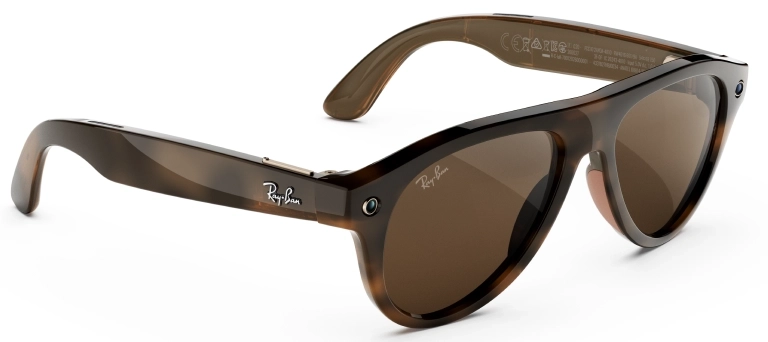
The third-generation Ray-Ban Meta is the pair other AI glasses get measured against. It packs a 12MP ultra-wide camera that shoots 3K video at 30 frames per second, along with open-ear speakers and a six-microphone array that keeps calls clear. There is no display, so Meta AI simply answers in your ear.
Meta rates the battery at up to nine hours of moderate use, with up to 50 more hours from the charging case. The frames come in 27 color and lens combinations across Wayfarer, Aviator and Zena styles, and they carry an IPX4 water rating. Prescription lenses are supported from minus 12.00 to plus 6.00.
Meta AI has matured on this line, with better live translation, stronger vision features and more natural conversation, according to Tom's Guide. That review also flags a catch, since Meta has said it will use AI chats to target ads in the United States. The older second-generation model still sells for $379, but the newer one adds a sixth microphone, an extra hour of battery, and fresh frame styles.
The glasses keep the same privacy controls, and Meta has added an update that stops recording if the warning light is covered. Camera glasses are restricted in some places, including courts and exam halls, so privacy is worth weighing before you buy.
Meta Ray-Ban Gen 3 is available for $449.
Meta Ray-Ban Display - AR Glasses Featuring Familiar Meta AI
Meta
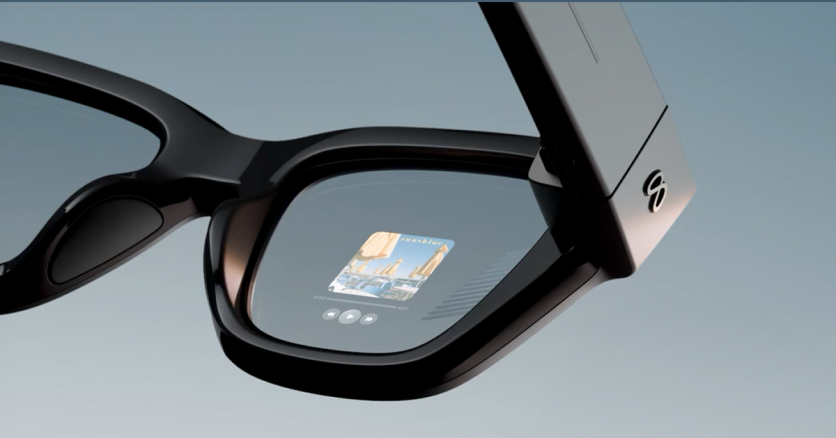
Meta Ray-Ban Display is one of the first pairs to blend AI glasses with a screen, placing a small display in one lens. That display shows a bright overlay of your apps, and accurate gesture controls come through the Neural Band.
Meta AI is built in, so the assistant feels familiar to anyone who has tried Meta's camera glasses.
Testing shows that the pair makes the AI and AR mix feel closer to mainstream, though it is not without flaws. Third-party app options are limited, and the Maps feature feels half-finished. The price looks steep for what the glasses can do today, yet they offer a strong preview of where the category is heading.
Standard AR glasses work differently, since they act as an external display for a phone, laptop, or handheld. AI glasses instead act as a wearable window into assistants that answer questions about the world around you. A lens display adds text, maps, or video in view, but it is not built for watching shows or playing games from a phone or PC.
Meta Ray-Ban Display is available for $799.
Rokid AI Glasses Style - Best AI Smart Glasses With Wide Prescription Lenses
Rokid
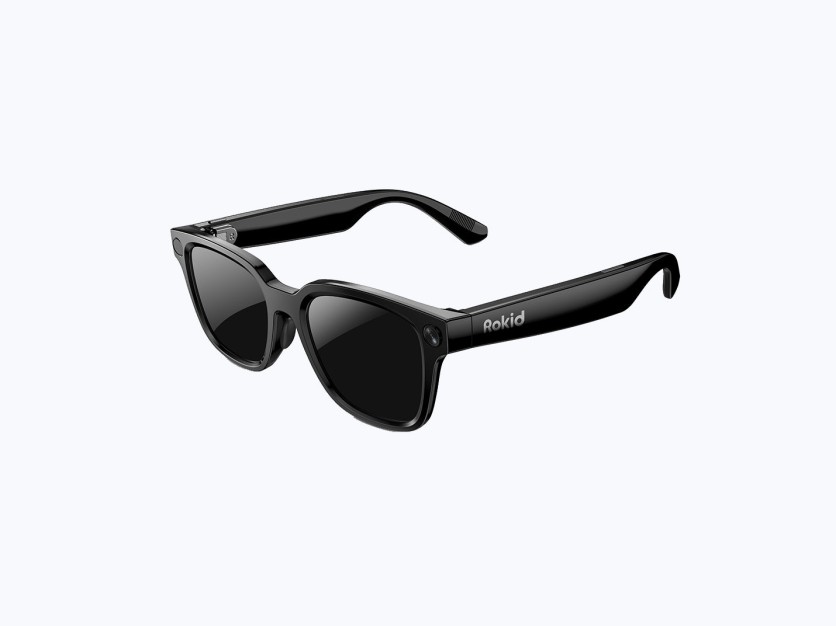
Rokid AI Glasses Style is the lightest camera pair in VR.org's ranking at 38.5 grams without prescription lenses. It uses a 12MP Sony sensor with 3K video at 30 frames per second and a 109-degree view. The Hi Rokid assistant also translates into up to 76 languages.
Prescription support is where it stands out, covering minus 15.00 to plus 15.00 and including progressive lenses. That is the widest range among the pairs compared, which matters because lens limits are often what rule a model out. Rokid rates the battery at up to 12 hours of typical use, and the frames carry an IPX4 rating.
One detail to note is that the charging case is an optional extra, since the box includes only a storage case. The mix of low weight, long battery life, and broad lens support suits people who wear glasses from morning to night.
Rokid AI Glasses Style is available for only $399 on its official website.
HTC Vive Eagle - Best Alternative to Meta's Display-less Smart Glasses
HTC VIVE
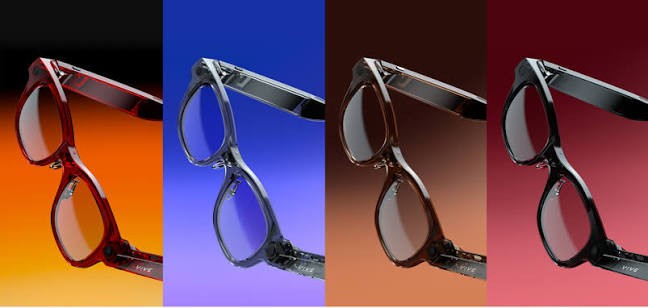
HTC Vive Eagle is the first credible camera and audio pair that does not come from Meta. It has a 12MP camera, four microphones, stereo open-ear speakers, and an IP54 rating. The frames come in Pantos and Square shapes, weigh about 49 grams, and span eleven configurations.
The assistant is VIVE AI, which draws on Google Gemini and OpenAI's ChatGPT. Signing in unlocks a two-year free trial of the Plus tier, while full access requires the paid Pro tier. That blend of models is a different approach from Meta's own assistant.
Battery is the weak spot, with HTC rating the glasses at up to 4.5 hours of continuous music. There is no charging case, only a clip-on Power Boost battery sold separately. Prescription versions come through HTC's partner Lucyd, and the Transitions lens option raises the price to $599. Like the other camera models, it works with both Android phones and iPhones.
HTC Vive Eagle is available for only $499, or $599 with Transitions lenses.
Viture Beast - Best AR Smart Glasses With AI Features
VITURE
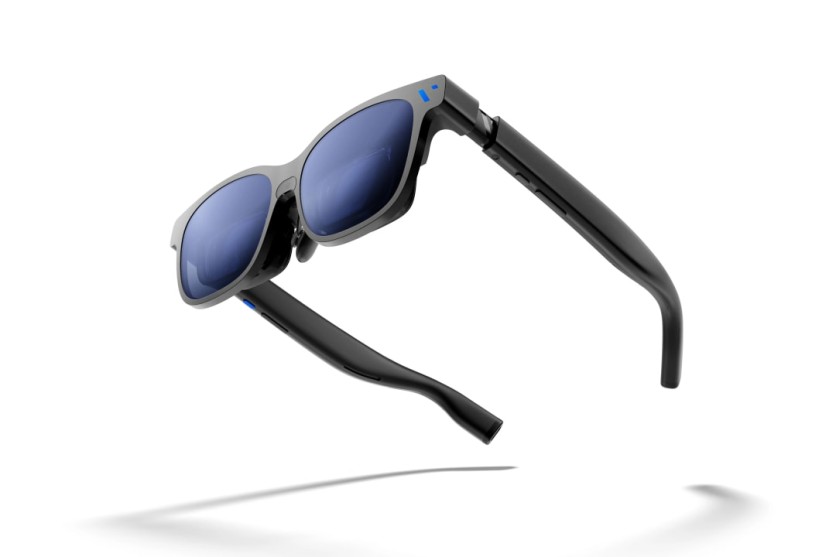
Viture Beast works as a wearable monitor instead of a talking assistant, and Tom's Guide ranks it as the best AR glasses available. Its Sony Micro OLED panels deliver 1200p per eye with a 58-degree field of view. The virtual screen reaches 174 inches, with up to 1,250 nits of brightness and a 120Hz refresh rate.
Viture brings AI into the picture through its software, where the company says its Immersive 3D feature analyzes each frame, spots depth cues, and converts 2D content into 3D in real time. It offers three depth levels called Enhanced, Standard and Soft, plus Movie and Game modes. Support covers streaming services and cloud gaming on Mac, Windows and iPhone.
Comfort is a strength too, with evenly distributed weight at roughly 3 ounces, a subtle Wayfarer style look and electrochromic film that adjusts how much of the outside world shows through. Tradeoffs include slight blur around the edges and fewer color tuning options than some rivals. The SpaceWalker app adds extra tweaks, including a 32:9 ultrawide virtual monitor and 3D visuals for compatible content.
Viture's Beast smart glasses are available for $549.

-
 C114 Communication Network
-
 Communication Home
