
 Search


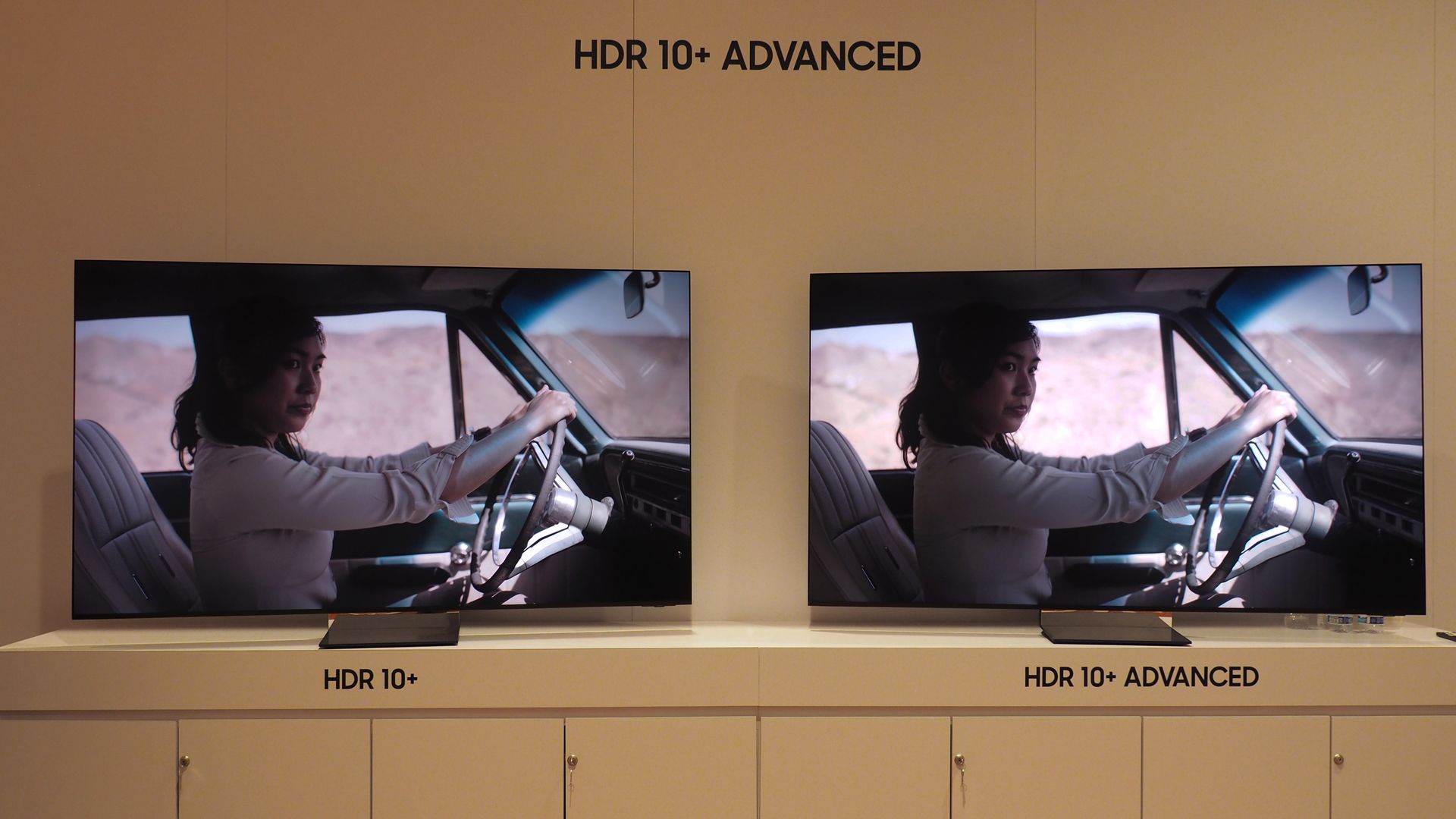
(Image credit: Future / Mike Lowe)
Samsung revealed its latest high dynamic range format, HDR10+ Advanced, just over a year ago. It first showed it off at CES 2026 in January, which I got to test out with my own eyes – and thought that the motion-handling was its biggest upgrade.
But what exactly is HDR10+ Advanced, why does it exist, where can you actually see it in action, and what TV do you need to gain the format's benefits?
In summary: with TVs getting brighter and brighter, the old high dynamic range (HDR) standards have recently been updated to cater for this broader range. That's seen the appearance of Dolby Vision 2 Max – and HDR10+ Advanced is Samsung's equivalent solution.
But just what's so 'advanced' about it? I got to side-by-side test HDR10+ against HDR10+ Advanced with a walkthrough from Samsung engineers and, while brightness is a key factor, I don't think it's necessarily the biggest advantage of this new format.
HDR10+ Advanced: 4 new benefits
- Enhanced brightness – caters for brighter TVs
- Motion control – creators can apply judder control
- Specific tone mapping – zoned TV types can benefit further
- AI picture mode application – by recognising content types
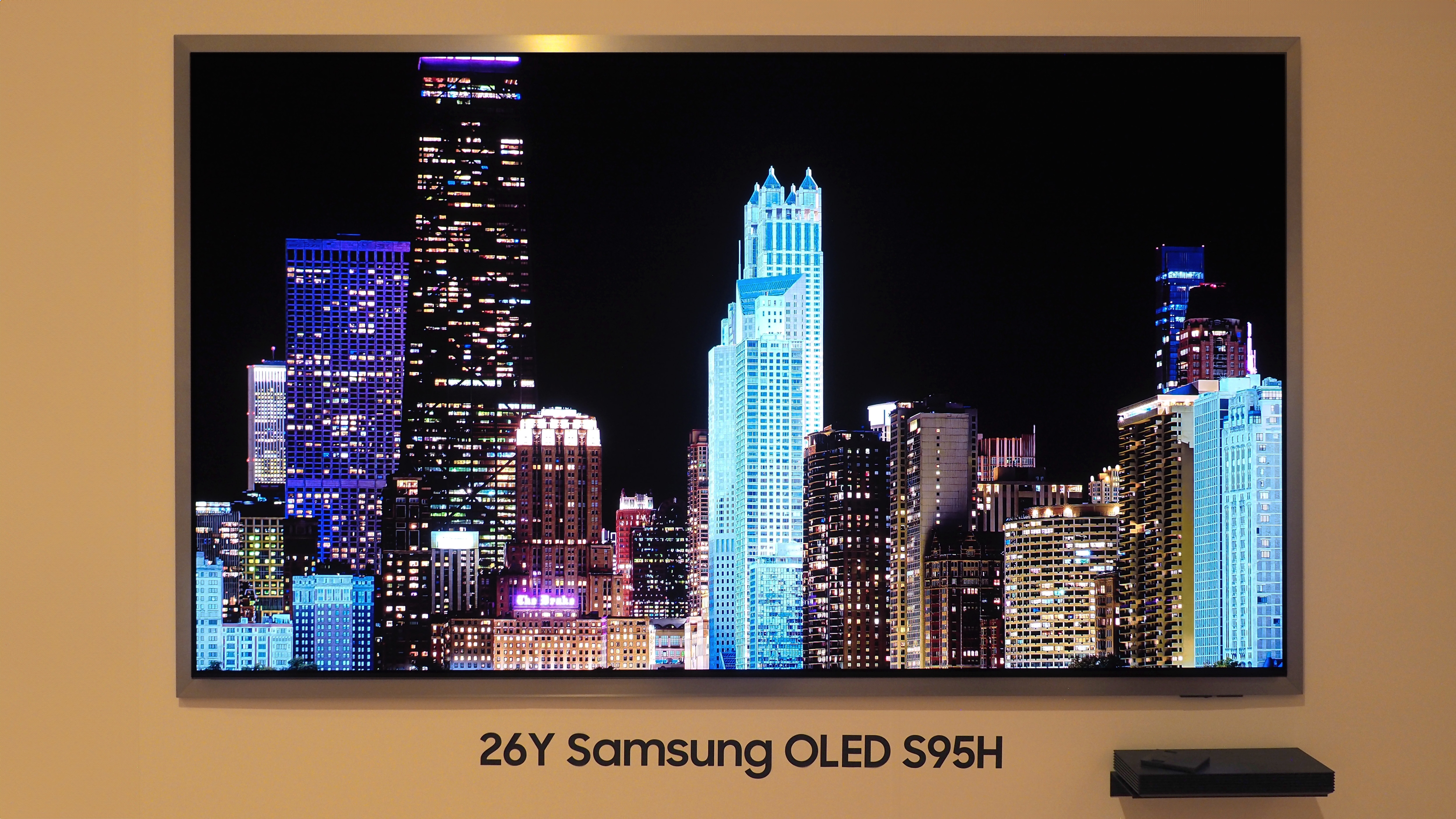
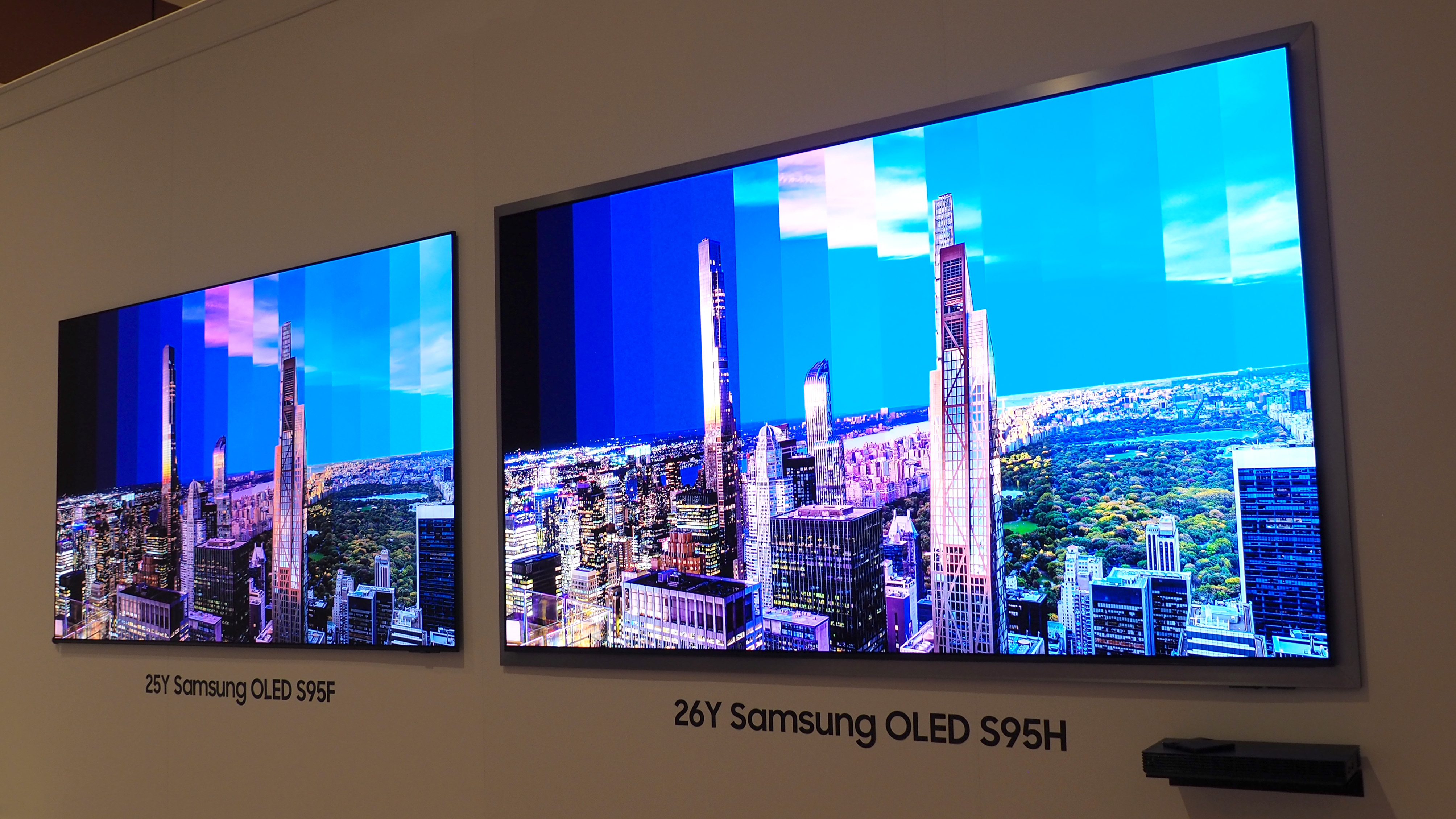
HDR10+ Advanced is designed to squeeze more out of modern panels to deliver even better picture quality potential. It's designed for brighter and larger TVs, where output levels and motion-handling issues are more notable.
As HDR mastering can now be performed with higher ceilings – to 10,000 nits in theory, although I'm not aware of any colourists who work to that level (it's usually 4,000 maximum) – there's a much broader range of 'white to black' to work with.
HDR10+ Advanced unlocks more of this range, in effect, which is clear to see in side-by-side comparison. Even in the lead image, up top of this page, you can see subtle yet clear distinctions between the two formats. It's even more notable by eye – as cameras can't convey the same as we see.
HDR has sometimes been seen as too dark for low-light scenes, which is something HDR10+ Advanced also looks to correct – so it's not just about peak brightness and highlights. The format means content can be optimised for the display type, while new advanced metadata can be better applied in zones.
Motion handling
But the real winner in HDR10+ Advanced? It's the way it can handle motion. Metadata throughout a show or movie can deliver time-stamped controls in how this is handled, depending on scene.
This HDR standard's motion smoothing – typically used to offset judder, but sometimes to prevent hyper-smoothing looking too false – can be controlled by the content provider, delivering specific visual smoothness as the creator intended.
I've too often gone to friends' houses and been watching hyper-smoothed movies suffer the 'soap opera effect'. I'm reticent to grab the controller and make changes to settings, but it often crosses my mind.
With HDR10+ Advanced, however, the content which is graded in this format – with Amazon Prime being a launch partner – will automate the visual look and smoothness without you needing to do anything.
And if the content is not available in HDR10+ Advanced then one of the other features is artificial intelligence (AI) that can read metadata and apply picture modes as it concludes are the best selection – based on the content type that you're watching.
So while the picture can look better due to greater brightness and more nuance to zoned tone mapping – especially if you own one of the best TVs – I think it's the difference in motion that marks Advanced's biggest step forward.
How can I watch HDR10+ Advanced content?
This is down to content makers, ultimately, but also content providers. And so far it's only Amazon Prime Video that's confirmed its use of the format – which has been available for some shows for some months. Here's a list of originals that use the format:
- Elle
- Fallout
- Jack Ryan
- Project Hail Mary
- Reacher
- Ride or Die,
- The Boys
- The Lord of the Rings: The Rings of Power
- Spider-Noir
How do you know you're actually watching it in HDR10+ Advanced? Simply look for the format logo on the show's title page.
Can't see the logo? Then your TV doesn't supports HDR10+ Advanced. And, guess what, in 2026 that's only supported by a select number of Samsung TVs from this year.
That means TVs with an 'H' to cap off their product name. The S99H or S95H being such examples for OLED, or the R95H being the RGB Mini-LED example.
The brand's 2027 TVs will surely support it, too, which will be revealed as part of CES 2027 in early January. And, who knows, third-party support may strengthen within the year too.
Otherwise it's Dolby Vision 2 that went first – and already has the wider support network.

-
 C114 Communication Network
-
 Communication Home
