
 Search

(Image credit: Future)
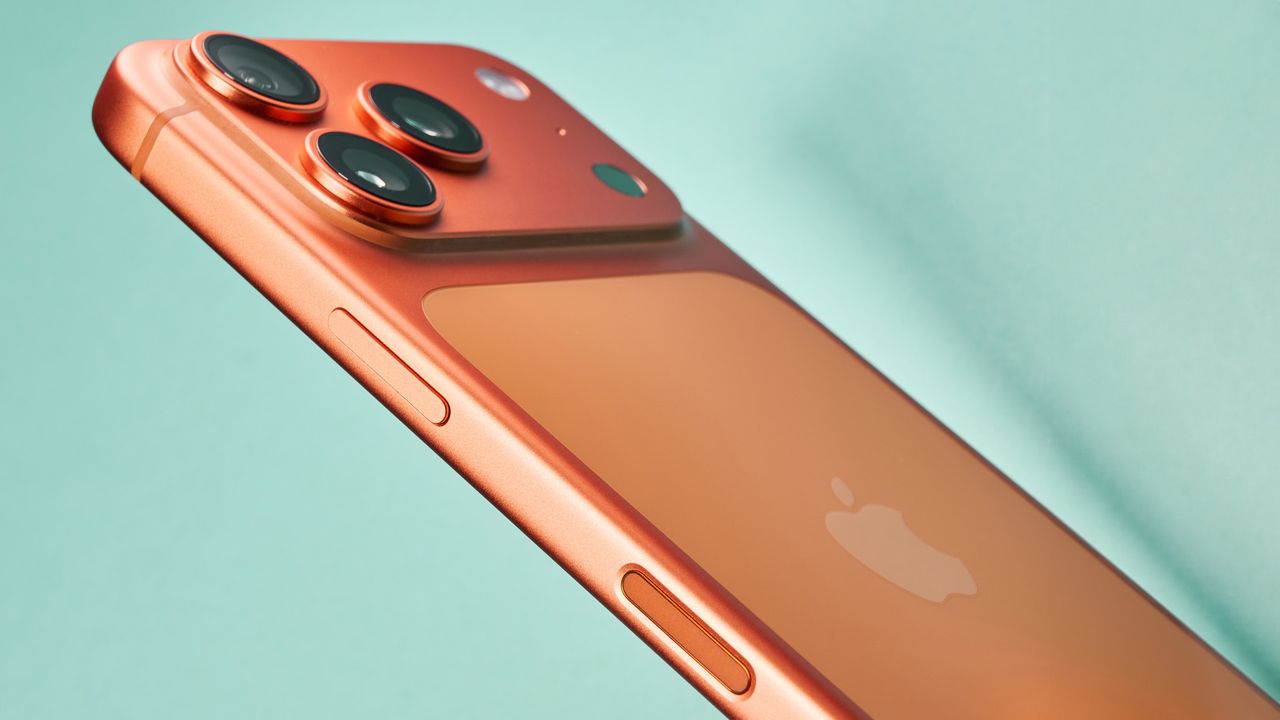
The iPhone 18 Pro could introduce under-display Face ID sensors, move the camera to the left-hand corner and introduce a variable aperture for the rear camera, according to reports.
The details come from analyst Ming-Chi Kuo who often speaks on Apple's plans, although often in rather general terms. With these latest details – shared by Macrumors – things are a little more specific.
The starting point is that the overall design of the iPhone 18 Pro is expected to be the same as the iPhone 17 Pro. That's no surprise, Apple is a creature of habit and typically its phones have two years in the same design before there are any substantial changes.
But it looks like the focus could be on removing the pill-shaped occlusion at the top of the display that currently houses the selfie camera and the sensors for Face ID. The rumour previously surfaced in May 2025, so it's not entirely new.
Face ID isn't just a camera-based system, it paints the subject with an IR camera for more secure biometric identification, which is why there's more space given over to the hardware needed.
Apple tried to hide the "notch" with Dynamic Island, a software solution that appends various live activities to the cutout in the display and make it seem like a useful area, but if the camera is to move to the top left-hand corner of the screen, that would suggest that Dynamic Island will also get ditched.
Implementing under display Face ID comes with its own challenges: we've seen some under-display cameras on other devices and they aren't particularly effective and cause a disruption to the display. However, it might be that it's only the IR dot projector that's needed and perhaps this can fire through the display and remain effective.
Certainly, the cut-out at the top of the display runs counter to the rest of the industry, but Apple's Face ID system is more secure than other options which are based on the camera only.
A change to the rear cameras?
It's also suggested that the rear camera could get a variable aperture. This would suggest that there would be a hardware control, allowing adjustments over the depth of field – ie., how much of the image is in focus, based on how wide or narrow the aperture is.
Currently, most cameras offer a fixed aperture (the iPhone 17 Pro is f/1.78 on the main camera). This controls the amount of light than can pass through the shutter to hit the sensor. The lower the number the bigger the aperture and the more light passes through.
The downside of wide aperture is that it narrows the depth of field, meaning that only a narrow band of the image is in focus. That's great for portraits, but is limiting when you want a lot of the content of the image in focus.
Currently, aperture control is digital and typically it's highlighted as a method for bokeh control, but the raw image is captured and then the effect applied. That allows (on some phones) the ability to change the background blur after the photo is taken. The downside of a variable aperture, is that the depth of field will be fixed and there would be nothing that could be done to change it.
It would be a strange inclusion for the iPhone which is a mass market device, as most buyers won't know what aperture is or care and will just want to point and shoot and have a great photo.
It's not a new feature on phones either: Samsung attempted it with the Samsung Galaxy S9 in 2018, switching between f/1.5 and f/2.4. But that system was dropped soon after introduction.
The introduction of variable aperture might now work better thanks to larger sensors and better packaging of lens elements, but there are drawbacks (mostly user confusion) as well as benefits (creative control).
With most of the enhancements in smartphone photography coming from computational additions, a variable aperture would seem like a strange place to focus right now.

-
 C114 Communication Network
 -
 Communication Home
