
 Search

(Image credit: Rik Henderson / Future)
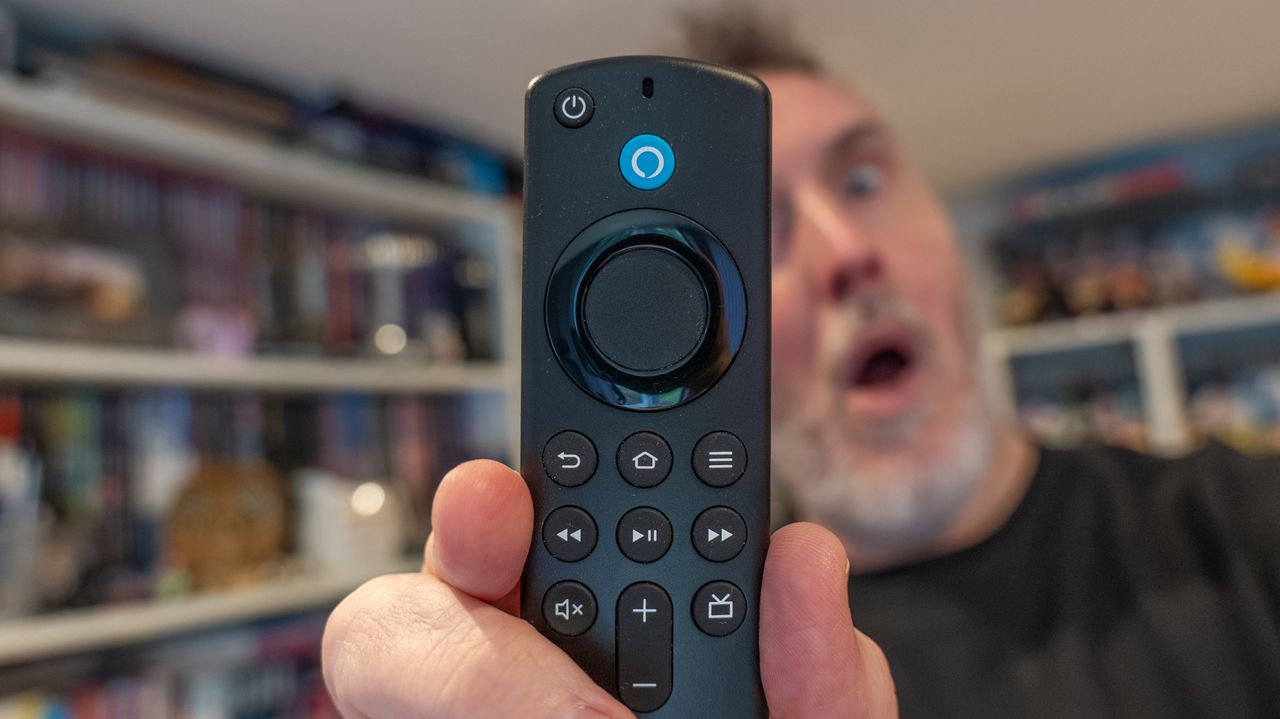
Amazon has confirmed that future Fire TV Sticks will no longer allow app sideloading or run on Android. You won't even be able to download and install approved apps either.
That's because it is switching to its own Vega OS software for all streaming devices going forward, and as that is a cloud-based operating system, you will no longer have the ability to customise them.
The software was first installed on the Amazon Fire TV Stick 4K Select released last year and can also be found driving the all-new Fire TV Stick HD coming at the end of April.
Rather than host streaming apps on the device itself, Vega OS is entirely run on the cloud – so the likes of Netflix and Disney+ are installed on a remote server, including the front end, so you access the entire experience over an online connection, not just the content.
It's similar to the latest TiVo platform, which is found on multiple smart TVs and the Manhattan Aero Freely TV box, and the Titan OS smart TV system adopted by Philips and a few other manufacturers.
The benefit is that you don't have to download and run apps yourself, so every streaming service is updated remotely and you are always accessing the latest version. And the processing power of your TV or device is less important, as it's only required to run the video stream well.
It also enables Amazon to keep costs down for new Fire TV Stick releases, especially during the ongoing RAM chip crisis.
The downside is that you have far less freedom over what you choose to do with your device. Some sideload their third-party apps onto Fire TV Sticks, allowing them to operate services that are otherwise unsupported. You cannot do that on the Select or forthcoming HD Fire TV Sticks – or any other future models.
The confirmation was found on Amazon's developer site (via Cordbusters): "All future Fire TV Sticks will run on Vega," it says in a box-out about the operating system.
That will definitely upset some, although considering the clampdown on the illegal use of Fire TV Sticks (with content piracy being a real issue in the recent past), the switch always seemed inevitable.
Time will tell if it makes a difference to the wider consumer market, though.

-
 C114 Communication Network
 -
 Communication Home
