
 Search

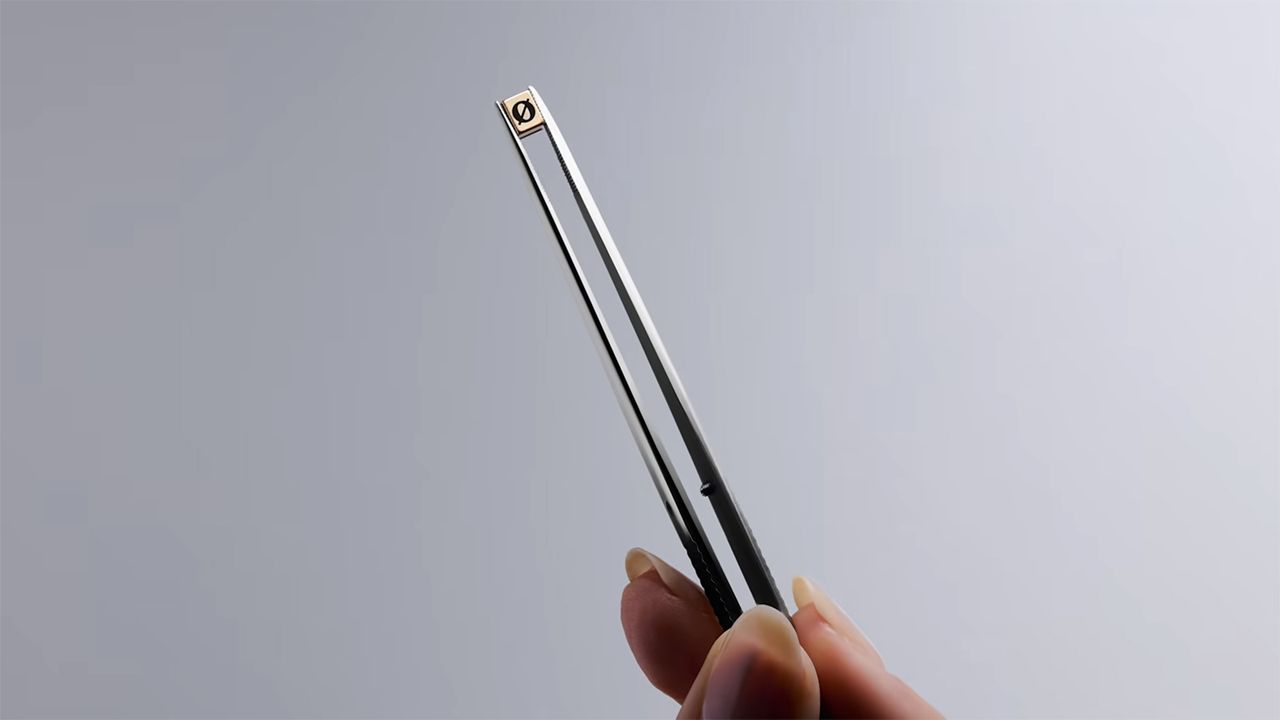
(Image credit: Rode)
Rode has unveiled Sonaura, a new microphone platform, and while it’s being pitched as a major leap in audio engineering, the real story is what it could do for the gadgets you actually use.
Announced at this year’s NAB Show in Las Vegas, the same event where brands like GoPro, DJI and Insta360 are showing off their latest cameras, Sonaura is designed to bring high-end sound recording to devices that have always struggled with audio.
Most compact devices, such as drones (or drone controllers), wireless mics, and even smartwatches, rely on tiny microphones that prioritise size over quality.
That’s why even the best action cams can shoot stunning 4K footage but still sound thin, noisy or distant.
Sonaura, a new type of MEMS (micro-electromechanical systems) microphone, aims to change that.
It was developed in partnership with Infineon, measuring just 4mm by 5mm, and Rode claims it can deliver audio quality close to that of much larger, studio-grade microphones.
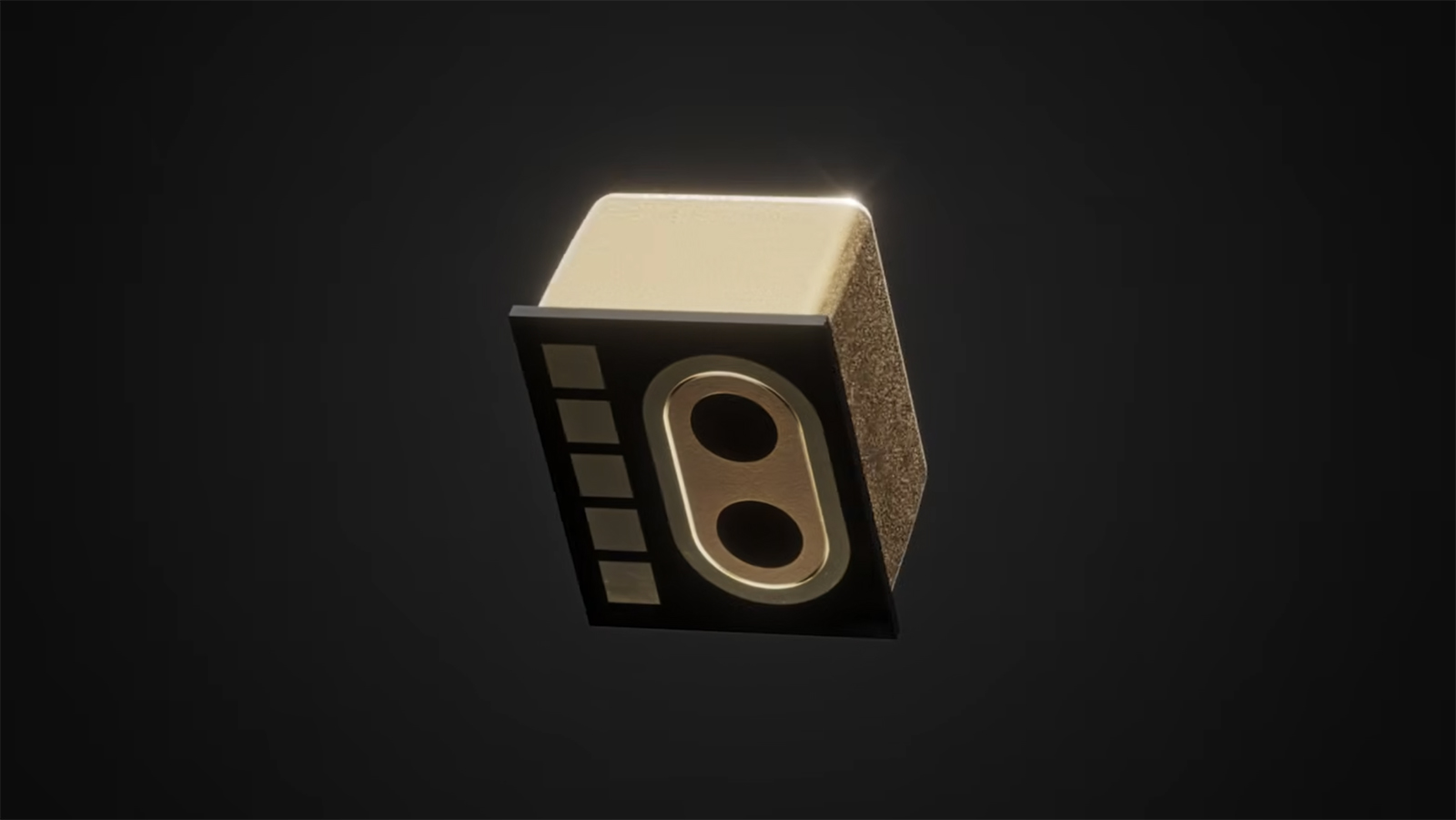
Traditional microphones, like Rode's NT1, are often hand-assembled, which can lead to small inconsistencies between units.
Sonaura, on the other hand, is built using semiconductor manufacturing, the same kind of process used to make chips, which allows for far greater precision and consistency at scale.
As a result, Rode says the mic has extremely low self-noise, meaning less background hiss, and can handle very loud sounds without distortion.
It’s also more resistant to interference and environmental factors like dust and moisture, thanks to a sealed dual-membrane design.
Because Sonaura is so small, the tech can be integrated into devices where high-quality audio was previously impossible.
For brands like GoPro and DJI, that could mean future cameras that no longer need external mics to sound good.
For creators, it could remove one of the last major compromises in portable setups.
Rode calls Sonaura the biggest leap in microphone design in over a century – a bold claim.
The reality will depend on how the tech performs once it starts appearing in real products.
The first device to use it will be a next-generation lavalier mic from Lectrosonics, with wider adoption expected across Rode’s own lineup and beyond.
Head over to Rode to learn more about the new technology.

-
 C114 Communication Network
 -
 Communication Home
