
 Search


Apple may be preparing a noticeable revamp to the materials used in its upcoming flagship smartphones, with the rumored iPhone 20 Pro models expected to feature 3D-printed titanium frames.
A new report from a Chinese leaker suggests that the company is exploring advanced manufacturing techniques to improve the durability and structural design of its 20th-anniversary iPhone lineup.
The reported development could mark another return to titanium for Apple's premium smartphones after the company shifted to aluminum for the iPhone 18 Pro series. It also points to a broader effort to incorporate precision 3D printing into the construction of future Apple devices.
iPhone 20 Pro Could Feature Laser-Printed Titanium Frames
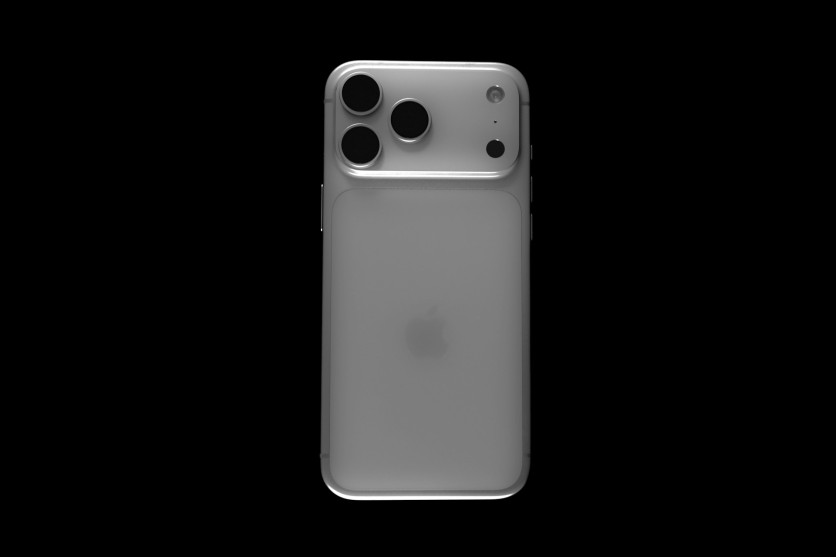
ubeyonroad/Unsplash
The latest information comes from Fixed Focus Digital, a leaker who shared the claim in a post on the Chinese social media platform Weibo.
According to the post, Apple intends to use a laser-based titanium powder 3D-printing process to manufacture certain components of the iPhone 20 Pro's mid-frame.
The technique differs from traditional manufacturing methods, which typically involve machining solid blocks of metal into specific shapes. Instead, industrial lasers fuse successive layers of fine titanium powder to gradually form a component based on a digital design.
This allows manufacturers to produce intricate structures that may be difficult or expensive to create through conventional machining. It also offers greater control over the internal geometry of individual components.
Fixed Focus Digital expressed strong confidence in the report, even encouraging followers to save screenshots of the original post and revisit them when Apple introduces its 2027 iPhone lineup.
The claim follows an earlier report from the same source suggesting that Apple would bring titanium back to its 20th-anniversary iPhone models. The iPhone 18 Pro and iPhone 18 Pro Max, by comparison, currently use aluminum frames.
However, the exact number of components that could receive the 3D-printed treatment remains unknown. The report specifically mentions parts of the mid-frame, rather than confirming that the entire structural frame will be manufactured through additive production.
Read more: Apple Tests iPhone Duo Lock Screen Layout With New Widget Column For More At-a-Glance Info
Apple's Shift Toward Advanced Titanium Manufacturing
The rumored iPhone 20 Pro development would build on Apple's existing experience with 3D-printed titanium components.
The company has already incorporated the manufacturing process into selected products, including the titanium enclosures of the Apple Watch Ultra 4 and titanium Apple Watch Series 12.
The Cupertino titan introduced the technology with the Apple Watch Ultra 3 and Series 11.
The iPhone Air also uses 3D-printed titanium for its USB-C port enclosure, providing another example of how the technology can be applied to smaller, precision-engineered components.
For Apple, these applications provide an opportunity to refine its manufacturing processes before potentially expanding the technology to larger smartphone structures.
Titanium is particularly useful in premium electronics because of its high strength relative to its weight. It offers a durable construction material without necessarily adding as much weight as other metals with comparable structural properties.
Combining titanium with 3D printing could give Apple additional control over the shape, thickness, and internal structure of its smartphone frames.
How 3D-Printed Titanium Works
Metal 3D printing, also known as additive manufacturing, builds components layer by layer instead of removing material from a larger metal block.
In the process described in the report, titanium powder is distributed across a printing surface. A laser then selectively heats and fuses specific sections of the powder according to a predetermined digital model.
Another layer is added, and the process continues until the component reaches its intended shape.
Once printing is complete, the component may undergo additional treatments and finishing procedures to meet the required mechanical and dimensional specifications.
One of the main advantages of this method is its ability to produce complex structures with less material waste. Traditional machining can remove considerable amounts of metal during production, particularly when manufacturers work with solid titanium blocks.
Additive manufacturing uses material more selectively, potentially reducing waste while allowing engineers to explore designs that would otherwise be difficult to manufacture.
Apple has also highlighted the design possibilities associated with the technology, particularly its ability to create intricate structures while using less raw material.
For a smartphone manufacturer working with increasingly limited internal space, this flexibility could prove valuable.
Connection to Apple's Rumored All-Glass iPhone Design
The reported adoption of 3D-printed titanium could also be connected to Apple's longer-term plans for its 20th-anniversary iPhone.
Previous reports have suggested that Apple is developing a major redesign featuring curved glass, extremely narrow or nearly invisible display bezels, and a more seamless overall appearance.
Bloomberg's Mark Gurman has described the expected changes as the most substantial overhaul of Apple's Pro iPhone lineup since the introduction of the iPhone X.
The iPhone X, released in 2017, introduced a new design direction for the company by removing the traditional Home button and adopting an edge-to-edge display with Face ID.
A similar anniversary release in 2027 could give Apple an opportunity to introduce another major change in smartphone construction.
An all-glass appearance would place additional demands on the device's internal structure. Engineers would need to maintain rigidity, protect sensitive components, and accommodate the display, battery, cameras, and other hardware within a carefully designed enclosure.
A 3D-printed titanium mid-frame could potentially help address some of these requirements by allowing more customized structural components.
However, the relationship between the rumored titanium frame and the proposed all-glass design has not been confirmed. The manufacturing process may simply be one part of a much broader hardware redesign.
Titanium's Thermal Performance Remains a Challenge
Despite its potential structural advantages, titanium presents an engineering challenge that Apple would need to address: heat management, per MacRumors.
Aluminum, which is used in the current iPhone 18 Pro models, has significantly better thermal conductivity than titanium. This means aluminum can transfer heat more effectively, an important characteristic in smartphones that generate considerable heat during demanding tasks.
Modern iPhones rely on carefully engineered thermal systems to manage temperatures during gaming, video recording, intensive processing, and other resource-heavy activities.
Replacing aluminum with titanium could require adjustments to the internal cooling architecture to maintain acceptable operating temperatures.
Apple would need to consider how heat moves through the frame and surrounding components, particularly as future iPhones are expected to support increasingly demanding processors and features.
The use of 3D printing may provide additional opportunities to incorporate complex internal structures into the frame. However, it does not automatically resolve the differences in thermal conductivity between the two metals.
At this stage, there is no confirmed information explaining how Apple intends to manage this potential limitation in its next-generation Pro devices.
Frequently Asked Questions
Will the iPhone 20 Pro have a titanium frame?
The iPhone 20 Pro is rumored to feature a titanium mid-frame, with certain components manufactured using laser-based 3D printing. Apple has not officially confirmed the material or construction details.
What is 3D-printed titanium?
3D-printed titanium is produced through additive manufacturing, a process that uses lasers to fuse successive layers of titanium powder into a specific shape. It allows manufacturers to create complex metal components with potentially less material waste than traditional machining.
Why is Apple considering 3D-printed titanium?
The technology could provide greater design flexibility, improve material efficiency, and allow Apple to manufacture intricate structural components. It may also support the company's rumored plans for a significantly redesigned anniversary iPhone.
Will the iPhone 20 Pro be more durable?
Titanium is known for its high strength relative to its weight, which could contribute to a durable smartphone frame. However, the actual durability of the iPhone 20 Pro will depend on its complete construction, materials, and engineering.
Does titanium have disadvantages compared with aluminum?
Yes. Titanium generally offers greater strength relative to its weight, but aluminum conducts heat more effectively. Its use in future iPhones could therefore require additional thermal engineering to manage heat generated by internal components.
When will the iPhone 20 Pro be released?
The iPhone 20 Pro series is expected to launch in the fall of 2027. Apple has not announced an official release date or confirmed the rumored product names.
Will Apple call its 2027 flagship the iPhone 20 Pro?
The iPhone 20 Pro name is currently used by leakers and industry observers to refer to Apple's anticipated 20th-anniversary models. The company's actual naming strategy remains unconfirmed.

-
 C114 Communication Network
-
 Communication Home
