
 Search


Choosing a mattress used to come down to a few basic considerations: size, materials, firmness, and price.
Today, the process can involve a little more technology. Smart mattresses bring electronic controls, sensors, and personalized comfort features into the bedroom, allowing sleepers to adjust their bed and, in some cases, monitor their sleeping habits.
Unlike traditional mattresses with a fixed feel, a smart mattress may offer adjustable firmness, automatic pressure response, sleep tracking, or temperature regulation. These features aim to make sleeping more customizable, particularly for couples with different preferences or individuals whose comfort needs change over time.
But what exactly makes a mattress smart, how does its technology work, and are the extra features worth the investment?
What Is a Smart Mattress?
Costa Live/Unsplash
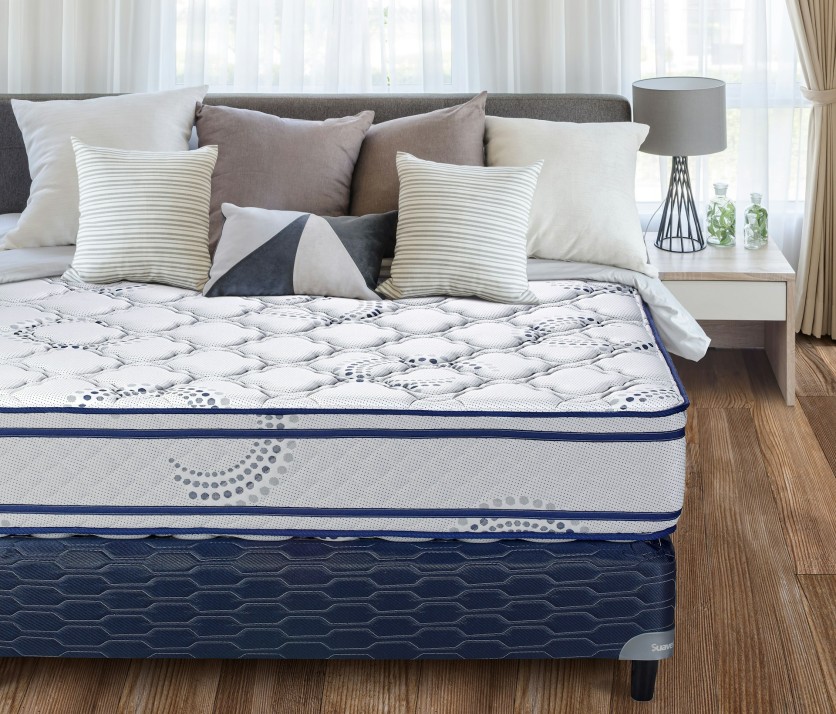
A smart mattress is a bed that incorporates technology to provide adjustable comfort, monitor sleep-related information, or perform both functions. It may use sensors, electronic pumps, connected applications, or temperature-control systems to offer features beyond conventional cushioning and support.
Traditional mattresses rely on their materials and construction to determine how they feel. Memory foam, latex, pocket springs, and other components provide varying levels of firmness and pressure relief, but their characteristics generally remain fixed after purchase.
Smart mattresses introduce a different approach. Instead of being limited to one comfort setting, some models let users adjust their sleeping surface whenever they want. Others focus on collecting sleep data or maintaining a more comfortable sleeping temperature.
Not every smart mattress has the same features, so the term does not refer to one specific technology or mattress design.
Read more: FDA Approves Wilserdly, First Early Breast Cancer Hormone Pill in 20 Years; Survival Gain Unproven
How Do Smart Mattresses Adjust Firmness?
Adjustable firmness is one of the most recognizable smart mattress features. Some models use air chambers positioned beneath their comfort layers, with an electronic pump controlling the amount of air inside.
Adding air increases resistance and generally makes the bed feel firmer. Releasing air allows the surface to feel softer. Adjustments can typically be made using a remote control or a connected smartphone application.
The cushioning materials above the air chambers still play an important role. Foam thickness, mattress construction, and the arrangement of comfort layers influence how the bed feels even after its firmness has been changed.
This flexibility can be useful for sleepers who prefer different levels of support depending on their sleeping position, comfort needs, or personal preference.
Can a Smart Mattress Automatically Adjust While Someone Sleeps?
Some smart mattresses go beyond manual firmness controls by using sensors to detect pressure or movement. Their systems may respond to changes in the sleeper's position and make adjustments intended to maintain a preferred comfort level.
The purpose of automatic adjustment is to reduce the need for repeated manual changes. After selecting a setting, sleepers may be able to let the mattress respond on its own, depending on the model's capabilities.
However, automatic response technology varies considerably. Not every smart mattress detects movement, changes pressure, or adjusts its support in the same way. Understanding what the system actually does is more useful than assuming every connected bed has identical functions.
Why Smart Mattresses Can Be Useful for Couples
Sharing a bed becomes complicated when two people have different mattress preferences. One may enjoy a softer surface while the other prefers a firmer sleeping area. On a conventional mattress, finding a compromise can mean that neither sleeper gets their ideal comfort level.
Some smart mattresses feature independently adjustable sides, allowing each person to change their firmness without affecting their partner's settings.
This can be particularly helpful for couples who have different sleeping positions or comfort preferences. Each side can be customized rather than forcing both sleepers to settle on a single firmness level.
Still, independent adjustment does not automatically eliminate motion transfer, nor does it guarantee better sleep. Mattress materials, bed construction, and movement isolation remain important considerations.
Five years ago, experts developed a smart mattress that could accurately monitor a premature baby's temperature to avoid complications.
How Does Smart Mattress Sleep Tracking Work?
Smart mattress sleep tracking uses sensors built into the bed to collect information about activity during the night. Depending on the technology, it may monitor movement, estimate sleep duration, and identify periods of restlessness.
Some systems can also provide estimated measurements such as sleeping heart rate or breathing rate. These details are usually presented through a companion app, where users can review nightly summaries and longer-term trends.
Sleep tracking can help identify patterns that may be associated with bedtime habits, consistency, or nighttime disruptions. Unlike wearable devices, integrated mattress sensors can collect certain information without requiring the sleeper to wear a watch or band.
These measurements are intended for general wellness and sleep awareness, not medical diagnosis. Smart mattress data should not replace professional evaluation for persistent sleep problems or suspected sleep disorders.
Do Smart Mattresses Have Cooling and Temperature Control?
Temperature management is another feature found in some smart mattresses, although not all cooling technologies work the same way.
Certain beds use breathable fabrics, foam designed to manage heat, or materials that encourage airflow. These passive features aim to make the sleeping surface feel less warm without actively changing its temperature.
More advanced mattresses may include active heating or cooling systems that regulate the bed's surface. Depending on the design, temperature settings may be adjustable, and some models allow each side of the mattress to have its own temperature preference.
The difference matters when comparing products. A mattress advertised as cooling may simply use heat-dissipating materials, while another may actively cool or warm the sleeper.
Are Smart Mattresses Worth the Extra Cost?
A smart mattress can be worthwhile for sleepers who value customizable firmness, separate comfort settings for couples, integrated sleep tracking, or temperature controls. These features provide flexibility that conventional mattresses generally cannot offer on their own.
However, technology is not automatically a substitute for good mattress construction. A comfortable sleeping surface, suitable support, pressure relief, and appropriate materials should remain the main priorities.
Before buying, it is also worth checking whether the mattress relies on an application, Wi-Fi connection, subscription, or specialized bed base. Warranty coverage, return policies, trial periods, and how the mattress functions if its electronic components stop working are practical details that can affect its long-term value.
For someone who already sleeps comfortably on a traditional mattress, the additional technology may not justify the higher price. For others, particularly couples with different firmness preferences, the flexibility may be a meaningful improvement.
Frequently Asked Questions About Smart Mattresses
What is the difference between a smart mattress and a regular mattress?
A regular mattress offers comfort and support through its materials and construction. A smart mattress may add electronic firmness adjustment, sensors, sleep tracking, or temperature-control features.
Do smart mattresses require Wi-Fi?
Some smart mattresses use Wi-Fi or Bluetooth to connect with mobile applications, but connectivity requirements vary. Some functions may still operate through a remote or built-in controls.
Can a smart mattress help couples with different firmness preferences?
Yes. Models with independently adjustable sides allow each sleeper to choose a different firmness level, helping reduce the need to compromise on mattress feel.
Do smart mattresses track sleep accurately?
Smart mattresses estimate sleep-related information using integrated sensors. Their readings can help identify general trends, but they are not medical-grade assessments and may not measure sleep stages with clinical accuracy.
Are smart mattresses worth buying?
They may be worth the cost for people who benefit from adjustable firmness, sleep tracking, temperature regulation, or independent comfort settings. Those who are satisfied with a conventional mattress may not need the added technology.

-
 C114 Communication Network
-
 Communication Home
