
 Search


Smartphone prices are climbing, and consumers are increasingly looking for ways to make their existing devices last longer. Rising memory costs, more expensive new models, and declining purchasing power have made upgrading less appealing for many households.
Yet one of the most practical ways to extend a smartphone's lifespan, replacing its battery, remains relatively expensive.
For owners of Apple or Samsung devices, smartphone battery replacement costs can approach or exceed $100 in the United States, depending on the model and service provider.
These expenses create a difficult choice: pay for a repair, purchase a refurbished phone, or spend significantly more on a new device.
As component shortages continue to affect the industry, affordable battery replacement could become an increasingly important part of making smartphones last longer.
Why Smartphone Prices Are Increasing
Vitalijus/Unsplash
According to Engadget, one major factor behind recent smartphone price increases is the rising cost of memory components. As demand for memory grows, manufacturers face higher procurement costs that can affect the final price of consumer electronics.
Apple and Samsung have also raised prices on some devices, adding pressure to consumers already dealing with higher living expenses. Even midrange smartphones have become more expensive, while some newer models offer relatively modest improvements over their predecessors.
These changes make upgrading every few years less attractive. For consumers who primarily use their phones for messaging, browsing, photography, and everyday applications, an older device may still provide sufficient performance.
Consequently, extending smartphone lifespan through repairs is becoming a more practical alternative to purchasing a new phone.
Read more: Apple HomeView Review: Is Apple's $299 Smart Display Worth Buying?
How Much Does It Cost to Replace an iPhone Battery?
Apple's official out-of-warranty battery service costs vary according to the device. The pricing examples in the supplied report illustrate how much owners may need to spend to keep their existing phones running.
For example, the report lists a $129 battery replacement for a newer Pro model, compared with $89 for an iPhone 12 released in 2020. It also cites a $229 replacement price for the iPhone Duo.
These costs can influence whether repairing an older iPhone makes financial sense. A battery replacement may be considerably cheaper than purchasing a new device, but the expense can still be significant for someone using an otherwise functional phone.
AppleCare coverage may include battery service when the device meets the applicable eligibility requirements. However, extended coverage generally needs to be purchased under the plan's enrollment rules, meaning owners cannot necessarily rely on it once their battery has already deteriorated.
For anyone considering an iPhone battery replacement, comparing the service price with the phone's remaining useful life is an important first step.
Samsung Battery Replacement Costs Present Similar Challenges
Samsung users face a similar decision when their batteries begin losing capacity. The report estimates that out-of-warranty battery replacement through Samsung typically costs between $99 and $129, although the actual price depends on the model, market, and service arrangement.
Samsung Care+ can provide battery-related benefits under qualifying plan terms. However, like Apple's extended coverage, it is not a universal solution for every existing phone owner.
The issue extends beyond flagship devices. When replacement models become more expensive, keeping an older Galaxy phone in service can be an appealing way to avoid a major purchase.
Consumers comparing Samsung battery replacement costs should check official service options, warranty eligibility, and local repair prices before deciding whether to replace a battery or upgrade.
The 2018 Apple Battery Replacement Controversy
Apple's current battery service prices are particularly notable when compared with its response to the iPhone performance controversy in 2017 and 2018.
After concerns emerged that software updates could reduce performance on iPhones with aging batteries, Apple introduced a temporary out-of-warranty battery replacement price of $29 in the United States for eligible models. This was substantially lower than its standard pricing at the time.
The program led to a sharp increase in battery replacements. According to the supplied report, Apple completed approximately 11 million replacements in 2018, compared with roughly one to two million annually before the program.
In January 2019, then-CEO Tim Cook cited customers taking advantage of the discounted battery service as one factor affecting upgrade demand.
However, Apple also faced a wide-scale economic slowdown in China, and Cook attributed much of the company's revenue shortfall to those economic conditions and trade tensions.
From this episode, we can confirm that affordable smartphone battery replacement can influence consumer decisions. When repairs become less expensive, people have a stronger reason to maintain their existing devices rather than buy new ones.
Why Rising Repair Costs Matter as Purchasing Power Declines
Higher smartphone prices are particularly difficult for consumers whose incomes have not kept pace with living costs.
The supplied report notes that US consumer prices rose substantially between January 2018 and the period covered by the analysis. It also cites research indicating that inflation-adjusted median weekly wages declined between December 2020 and December 2025.
Although average wages and individual experiences differ, the bigger issue is clear: an increasingly expensive smartphone can take up a larger share of a household's discretionary budget.
When a phone needs only a new battery, replacing the entire device may be unnecessary. However, expensive repairs can weaken the financial case for keeping an older model, particularly if other components may soon need attention.
More affordable repairs would give consumers another option between accepting declining battery performance and purchasing a replacement phone.
Cheap Battery Replacements Could Reduce Electronic Waste
The financial argument for battery replacement is closely connected to sustainability.
Smartphone batteries gradually lose capacity through repeated charging and discharging. As battery life declines, users may find themselves charging more frequently or carrying a power bank.
Replacing a worn battery can restore much of a device's everyday usefulness without requiring the purchase of an entirely new phone.
Keeping smartphones in service for longer can also reduce demand for replacement devices and the resources needed to manufacture them.
Electronics production requires raw materials, energy, and complex supply chains, while discarded devices contribute to the growing challenge of electronic waste.
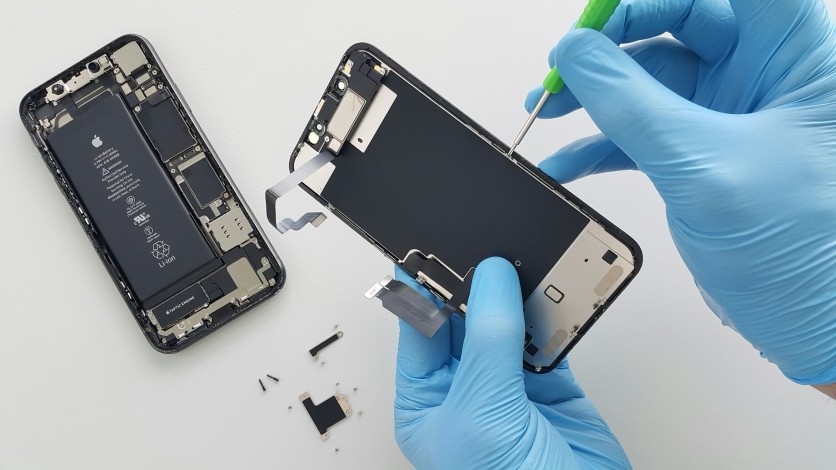
However, repairability remains a barrier. Many modern smartphones use tightly integrated components, adhesives, and compact internal layouts that make do-it-yourself repairs more difficult. Professional service can be safer and more reliable, but it may also cost more.
Right-to-repair policies, accessible replacement parts, and reasonably priced battery services could help address these challenges while giving consumers greater control over their devices.
Will Memory Shortages Make Phone Repairs More Important?
The future cost of smartphones partly depends on how quickly memory supply catches up with demand. The report references forecasts from SK Hynix and other memory manufacturers suggesting that shortages could persist until 2030.
If those projections prove accurate, manufacturers may continue facing pressure on component costs for several years. The extent to which those costs translate into retail prices will depend on supply conditions, competition, product strategy, and other expenses.
Affordable battery replacement would not resolve memory shortages or prevent all smartphone price increases. It would, however, help consumers avoid unnecessary upgrades when their primary problem is a deteriorating battery rather than inadequate performance.
For Apple, Samsung, and other manufacturers, lower out-of-warranty battery service prices could also reinforce long-term customer relationships by making existing products easier to maintain.
Why Affordable Smartphone Battery Repairs Matter for the Future
As smartphone prices rise, the ability to repair and maintain existing devices is becoming increasingly important. Battery replacement offers a relatively straightforward way to extend a phone's useful life, reduce the need for premature upgrades, and limit electronic waste.
Although modern device designs and service costs can make repairs difficult, more affordable battery replacements would give consumers greater flexibility during periods of rising component prices.
For manufacturers such as Apple and Samsung, making repairs accessible could help balance profitability with the practical needs of customers who want their devices to last longer.
Artificial intelligence was also partly blamed for the rising phone prices.
Frequently Asked Questions
How much does it cost to replace an iPhone battery?
The cost depends on the iPhone model and service arrangement. The supplied report lists examples of $89 for an iPhone 12 and $129 for a newer Pro model in the United States. Official prices may change, so owners should check Apple's current service pricing.
How much does Samsung charge for battery replacement?
The supplied report cites typical out-of-warranty Samsung battery replacement costs of approximately $99 to $129. The final price depends on the model, location, and service provider.
Is it cheaper to replace a phone battery or buy a new phone?
Battery replacement is generally less expensive than buying a new smartphone when the device is otherwise functioning well. However, the decision also depends on the phone's age, software support, storage capacity, repair costs, and condition.
Why are smartphone battery replacements so expensive?
Costs can reflect professional labor, device disassembly, replacement parts, adhesives, testing, and the complexity of modern smartphone designs. Manufacturer pricing and local service availability also influence the final amount.
Does replacing a smartphone battery improve performance?
A new battery can improve battery life and may help restore performance when an aging battery is contributing to power-management limitations. It will not necessarily improve performance if the device is limited by an older processor, insufficient memory, or unsupported software.
Can replacing a phone battery reduce electronic waste?
Yes. Replacing a worn battery can extend a smartphone's useful life and delay the need to purchase a replacement device. The environmental benefit depends on factors such as the repair process, battery disposal, and how long the phone remains in use afterward.

-
 C114 Communication Network
-
 Communication Home
