
 Search

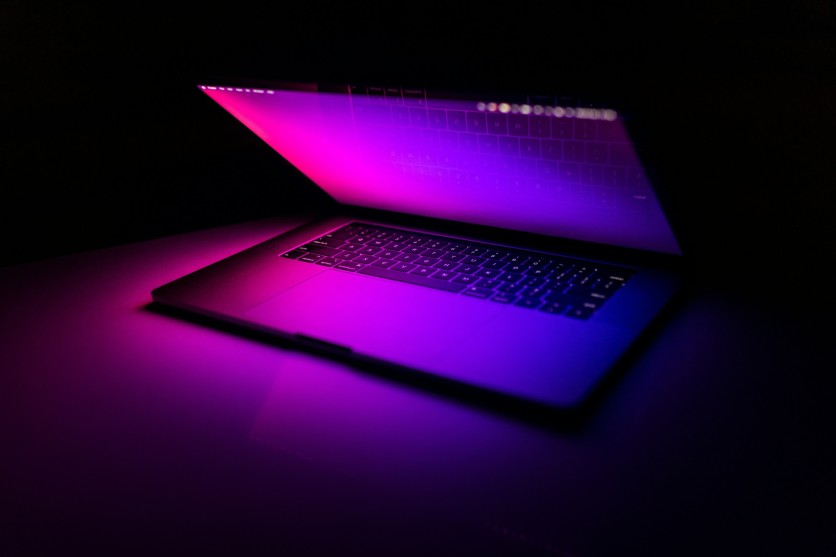
Facu Montanaro/Acer.com
Acer became the first of Google's five hardware partners to publicly confirm a Googlebook device on Wednesday, showing a brief teaser image of its debut machine during the next@Acer press showcase at IFA 2026 in Berlin. The same day, Google told Android Authority directly that September 15 — widely described as the platform's media launch event — will include no public hardware announcements, a significant revision to the "countdown to September 15" narrative that has dominated Googlebook coverage for the past two weeks.
For anyone timing a premium laptop purchase around the Googlebook debut, that clarification matters. Independent benchmark data — the information that would actually let a buyer compare a Googlebook against a MacBook or a Copilot+ PC — will not exist until the days after September 15, when media embargoes lift, not on the day of the event itself.
The Acer confirmation is notable for another reason: it came outside Google's own event schedule — a deliberate signal from a company that has been one of Google's most active Chromebook partners for years.
What Acer Confirmed at IFA — and What Remains Disputed
Acer said its first Googlebook is "coming soon," offered no pricing or availability date, and showed a single teaser image alongside its other IFA announcements, which ranged from an ePaper monitor to a petaflop-class desktop workstation. The image shows a dark laptop next to a Google Pixel phone — a deliberate staging choice that highlights cross-device continuity in the platform, including features like Continue On and Play Services integration.
The form factor of that device is, for now, in genuine dispute. Chrome Unboxed's Robby Payne, citing the hinge visible in the teaser image, wrote that the device will definitely be a convertible capable of tent and tablet modes. Android Authority, whose photographer was on the floor at IFA, described the same device as a conventional laptop, not a detachable. A third source described it as a "traditional, sleek clamshell laptop design." The weight of on-the-ground reporting supports a clamshell — but Acer has not confirmed either characterization, and full hardware details are expected to follow.
What is not in dispute is the spec profile that has emerged from earlier retail database leaks and firmware commits. Codenamed "Moonstone" with model number GP714-91N, Acer's 14-inch Googlebook is expected to feature an Intel Core Ultra 5 (Panther Lake architecture), a 14-inch 120Hz OLED display, 16GB of RAM, and a 256GB SSD.
Read more: Lenovo Googlebook 15 Leak Confirms Gemini Key, Phone-Style Aluminium OS
What Panther Lake Brings to a Googlebook
Intel's Core Ultra Series 3 — sold under the Panther Lake architecture name — integrates a dedicated Neural Processing Unit (NPU) alongside the standard performance and efficiency processor cores. The NPU is a matrix-math accelerator built for AI inference workloads: processing natural language, reading screen context, and generating responses without sending data to a remote server.
For a Googlebook, the NPU is not optional hardware — it is a platform requirement. Gemini Intelligence, the AI layer woven through Aluminium OS, includes features like Magic Pointer (context-sensitive suggestions as the cursor moves across the screen) and Create My Widget (dashboards generated from natural-language prompts). Details on these AI features and their hardware requirements were confirmed at the May 2026 Googlebook announcement. A capable NPU determines whether those features run locally with minimal latency, or rely on cloud round-trips that introduce delay and route more user data off the device. The ASUS Googlebook CX9406 — the platform's most fully specified device so far — carries a 47 TOPS NPU from its Intel Core Ultra 7 355 chip, placing it at parity with the Copilot+ PC certification threshold.
Acer's Core Ultra 5 SKU will land somewhat below the Ultra 7 in raw NPU throughput, consistent with its positioning as the mid-tier entry to the platform.
OLED at This Price Tier Is a Market Signal
Chromebooks were built around 60Hz TN and IPS LCD panels. A 14-inch 120Hz OLED display in an entry-tier Googlebook carries a different editorial message: Google and its OEM partners are not trying to win the education market with this wave of hardware. They are competing against Apple and Microsoft at the top of the laptop price stack.
OLED panels emit light at the individual pixel level, enabling true blacks and contrast ratios that LCD panels cannot match regardless of backlight technology. A 120Hz refresh rate reduces perceived motion blur on scrolling text and fast-moving UI elements. The combination — at a price point that multiple analysts have pegged between $799 and $1,299, with an entry floor cited above $999 — signals a deliberate break from the Chromebook's value positioning.
Google VP John Maletis confirmed Googlebook launches premium first, and hardware minimum specifications for the Googlebook platform — including a minimum of 12GB of RAM and a qualified flagship system-on-chip — structurally prevent rock-bottom pricing.
How Aluminium OS Changes What Acer's Device Can Actually Do
The Acer Googlebook does not run ChromeOS. It runs Aluminium OS, Google's Android 17-based platform — built as its native foundation, not as a layer on top of an existing desktop platform.
ChromeOS ran Android apps from 2016 onward through a compatibility container called the Android Runtime for Chrome, or ARC. ARC imposed consistent performance limits and restricted how deeply Android apps could access system hardware — the source of the well-documented frustration of Android apps on Chromebooks that worked, but not quite the way they did on a phone. Aluminium OS eliminates ARC entirely, and every app in the Google Play Store's catalog of over three million titles will run natively, with direct hardware access and no container overhead.
Desktop windowing is handled by Jetpack WindowManager managing multi-pane displays for keyboard-and-trackpad use, with Material 3 Adaptive at the layout layer. The taskbar, virtual desktops, and window management are new infrastructure. But as Lenovo's leaked renders confirmed last month, the UI bears clear Android parentage: the status bar across the top of the screen is not a borrowed design choice — it is the natural output of building a desktop OS on Android's own UI toolkit rather than adapting desktop conventions onto Android.
"Native" does not automatically mean every app handles a keyboard and trackpad well. That requires developer work, and Google's keynote on September 15 is expected to address app optimization — explaining what the platform asks of developers to make their Android apps perform correctly in a laptop form factor. The app quality question will not be fully answered until independent reviewers get hands on actual hardware.
Read more: Googlebook Showcase Set for Sept. 15: OS Name, Eight Devices, Five OEMs
What September 15 Now Means — and Does Not Mean
The September 15 Googlebook Showcase in New York City is a closed media-only event, no livestream, with no public attendance. Google had confirmed a keynote from leadership, OEM demo stations, and a media sandbox for independent benchmarking — the first time in the platform's history that its performance claims would be independently testable.
Google's clarification to Android Authority on September 2 changes the picture: no hardware announcements on September 15. What that means in practice — whether the event still involves media access to devices, whether it now focuses exclusively on the OS and developer story, or whether timing has simply shifted — has not been specified. The September 15 event is twelve days away as of Thursday.
For consumers, the practical timeline remains: a fully-informed purchase decision — with independent benchmarks, confirmed pricing, and hands-on impressions — was never available on September 15 itself. It arrives when embargoes lift in the days that follow. Acer's IFA moment extends that wait by adding another device to the field without resolving any of the outstanding questions around specs, pricing, or availability date.
Five OEM Partners, One Confirmed Moment
Google confirmed five OEM partners for the Googlebook launch in May 2026: Acer, ASUS, Dell, HP, and Lenovo. Of these, Acer is now the first to publicly confirm its device outside of Google's controlled event schedule. Details on all five Googlebook OEM partners were reported at the original May announcement.
Lenovo has the most extensively documented hardware, with press renders published in August showing the Googlebook 15's Gemini key, physical privacy shutter, four Dolby Atmos speakers, and a port layout far exceeding what most Chromebooks offered. ASUS has the most technically ambitious confirmed spec sheet — a 14-inch model weighing under one kilogram (2.2 lbs), built from a material the company calls Ultra-Ceramic Light Alloy, with up to 64GB of LPDDR5X RAM and a 47 TOPS Neural Processing Unit. Dell and HP have kept their devices under wraps under the codenames "Mica" and "Quartz" respectively.
Acer is the only OEM that, as of September 3, has publicly and voluntarily surfaced its Googlebook — however briefly — before any Google-owned stage invited it to do so.
Frequently Asked Questions
What does the Acer Googlebook actually look like, and is it a convertible?
The form factor is currently disputed between two credible sources. Chrome Unboxed described the hinge design in Acer's IFA teaser image as indicating a convertible 2-in-1 capable of tent and tablet modes. Android Authority, whose photographer was present at Acer's IFA event, described the same device as a conventional clamshell laptop rather than a detachable. Acer has not confirmed either characterization. The spec leaks — a 14-inch OLED display, Intel Core Ultra 5 chip, 16GB of RAM — are consistent with either form factor. Full hardware details are expected closer to or at the September 15 media showcase.
What will actually happen at the September 15 Googlebook event, and can I buy one that day?
No Googlebook devices will be sold on September 15. The event is a closed media showcase with no public attendance and no livestream. Google clarified to Android Authority on September 2 that there will be no public announcements of Googlebook hardware on that date. What remains scheduled is a media-facing event covering the platform's software architecture and OS name reveal — the actual independent benchmark data and hands-on impressions will be published by attending outlets in the days following the event, once embargoes lift. Consumer purchases cannot be made until devices actually reach retail, which is expected sometime in fall 2026 before the holiday season.
What is Aluminium OS, and how is it different from ChromeOS?
Aluminium OS is Google's internal codename for the new operating system powering Googlebooks. It is built on Android 17 as the native host OS — not as an app compatibility layer sitting on top of a separate platform. ChromeOS ran Android apps for years through a container called the Android Runtime for Chrome (ARC), which imposed performance limits and restricted hardware access. Aluminium OS eliminates ARC: apps from the Google Play Store's catalog of over three million titles run directly, with full access to system hardware. Desktop windowing is handled by Jetpack WindowManager 1.5.0; the taskbar and virtual desktops are new. The status bar across the top of the screen — the same notification strip on every Android phone — is not a stylistic nod to mobile; it is the direct output of building a desktop OS on Android's own UI toolkit.
Will my current Chromebook be replaced, and should I wait to buy one now?
Google has confirmed that Chromebooks from 2021 onward will continue receiving up to ten years of automatic security updates, so existing users are not left stranded. Some 2021+ models may be eligible to transition to the Googlebook software experience, but which specific models and what that transition requires have not been disclosed. The initial Googlebook pricing floor — cited above $999 by multiple analysts — puts the platform outside the typical school-district budget range. A full platform transition is not expected to complete until approximately 2034, based on the overlap of ChromeOS update windows. If you need a laptop this fall and cannot wait until late September for independent Googlebook benchmark data, a current Chromebook Plus remains a supported, lower-cost option.

-
 C114 Communication Network
 -
 Communication Home
