
 Search

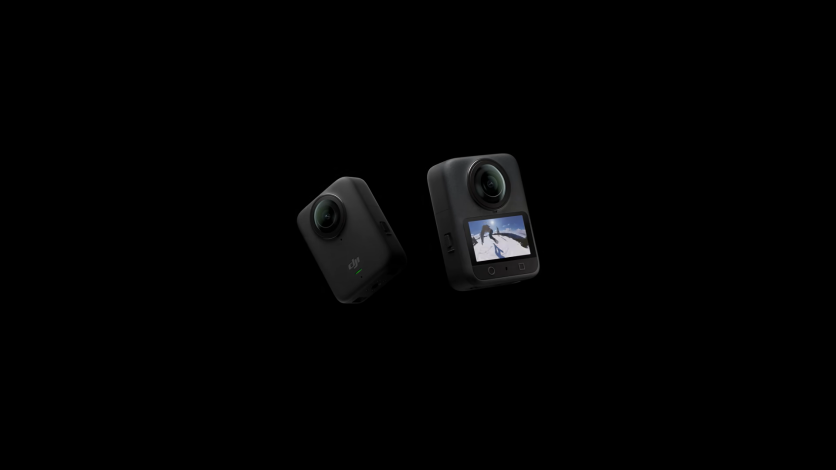
DJI Osmo 360 review covering its standout camera features, 8K video quality, immersive video camera capabilities, action camera performance, and key drawbacks. DJI/YTScreenshot
The DJI Osmo 360 has entered the growing 360-camera market with a strong focus on image quality, high-resolution video, and integration with DJI's wider ecosystem. As an immersive video camera designed for creators, travelers, and action enthusiasts, it aims to compete directly with established rivals while introducing several unique innovations.
This DJI Osmo 360 review examines the camera's features, video quality, design, strengths, and limitations to help readers understand where it stands in today's competitive action camera landscape.
DJI Osmo 360 at a Glance
DJI has built the Osmo 360 around a compact body and advanced imaging technology. The camera combines high-resolution recording capabilities with features designed for both casual users and experienced content creators.
Key highlights include:
- Native 8K 360-degree video recording
- Dual 1/1.1-inch image sensors
- Up to 120MP photo capture
- Built-in internal storage
- Waterproof construction
- DJI Mic compatibility
- Support for 10-bit color and D-Log M profiles
These specifications position the DJI Osmo 360 among the most capable immersive video cameras currently available.
Compact Design Built for Adventure
One of the first things users may notice is the camera's lightweight and portable design. Weighing less than many competing models, the Osmo 360 is easy to carry during travel, outdoor activities, and action sports.
The camera follows a familiar vertical form factor that makes handheld shooting comfortable. It also integrates seamlessly with mounts and accessories commonly used by action camera enthusiasts.
Water resistance is another practical feature. The camera is designed to handle rain, splashes, and underwater use within its rated limits, making it suitable for a variety of outdoor environments.
DJI Osmo 360 Camera Features Explained
The biggest selling point of the DJI Osmo 360 is its extensive feature set.
Native 8K Recording
The camera can record 8K 360-degree footage at up to 50 frames per second. This higher frame rate provides smoother motion compared to some competing products that are limited to 30fps at the same resolution.
For creators who frequently reframe footage for social media or standard video formats, the additional resolution offers more flexibility during editing.
Innovative Sensor Technology
DJI uses dual square-shaped sensors that maximize the use of the available sensor area. This design helps capture more visual information and contributes to improved image quality.
The larger sensors also assist in preserving detail in challenging lighting conditions.
DJI Ecosystem Integration
Users already familiar with DJI products may appreciate the camera's compatibility with other devices within the ecosystem.
Benefits include:
- Direct support for DJI wireless microphones
- Integration with DJI's mobile applications
- Access to DJI Studio editing software
- Compatibility with existing DJI accessories
This connectivity simplifies the content creation process for users invested in DJI hardware.
Internal Storage Advantage
Unlike many cameras that rely entirely on memory cards, the DJI Osmo 360 includes substantial internal storage. This feature provides additional peace of mind during long recording sessions and reduces the risk of missing footage due to storage issues.
Video Quality Performance
Image quality remains one of the strongest aspects of the DJI Osmo 360.
Footage appears sharp, detailed, and vibrant in a wide range of lighting conditions. The combination of high resolution and advanced sensors helps the camera capture impressive detail across the entire 360-degree frame.
Several early reviewers have praised the camera's image quality. For example, CNET highlighted the impressive hardware package, while noting certain trade-offs that potential buyers should consider. TechRadar also pointed to the camera's strong video performance and innovative sensor design during testing.
Low-Light Results
Low-light performance is an area where the DJI Osmo 360 performs particularly well.
Benefits include:
- Reduced image noise
- Improved shadow detail
- Better dynamic range
- More usable footage in evening conditions
While no 360 camera completely eliminates low-light limitations, DJI's sensor technology helps the Osmo 360 deliver competitive results.
Photo Capture Capabilities
The camera can produce images with resolutions reaching 120 megapixels.
This high-resolution output offers advantages for:
- Virtual tours
- Landscape photography
- Travel content
- Professional 360 imagery
The additional detail allows users to crop or zoom into images while maintaining impressive clarity.
DJI Osmo 360 vs Insta360 X5
Comparisons between the DJI Osmo 360 and Insta360 X5 are inevitable since both cameras target similar audiences.
Areas where the DJI Osmo 360 stands out include:
- Higher 8K frame rates
- Strong image quality
- DJI ecosystem integration
- Large internal storage
Areas where the Insta360 X5 maintains an advantage include:
- Replaceable lenses
- More mature editing software
- Established creator ecosystem
According to several reviewers, including assessments published by Tom's Guide, the competition between these two cameras is extremely close. The final choice often depends on whether buyers prioritize hardware performance or software convenience.
The One Important Catch
Despite its impressive specifications, the DJI Osmo 360 is not without drawbacks.
The most frequently discussed concern involves the camera's lens design.
Non-Replaceable Lenses
Unlike some competitors, the DJI Osmo 360 does not feature user-replaceable lenses.
This issue is important because 360 cameras rely on exposed ultra-wide lenses that are more vulnerable to scratches and accidental damage.
Potential disadvantages include:
- Higher repair costs
- Possible service delays
- Less flexibility for adventure users
For creators who frequently use their action camera in rugged environments, lens durability may become a significant consideration.
Software Still Has Room to Grow
Although DJI's editing tools continue to improve, many reviewers believe competing software platforms currently offer a more refined experience.
Areas where competitors remain strong include:
- Automated editing tools
- AI-powered reframing
- Advanced effects
- Workflow efficiency
For some users, software quality can be just as important as camera hardware.
Who Should Consider the DJI Osmo 360?
The DJI Osmo 360 may be a strong fit for:
- Travel content creators
- Outdoor adventurers
- Social media creators
- Action camera users
- Immersive video camera enthusiasts
It is particularly appealing to those who already own DJI products and want tighter integration across devices.
Meanwhile, users who prioritize replaceable lenses and highly developed editing software may want to compare alternatives before making a decision.
Why the DJI Osmo 360 Is Getting So Much Attention
The DJI Osmo 360 demonstrates that DJI is serious about competing in the 360-camera category. Its combination of 8K video, advanced sensors, strong image quality, and ecosystem integration makes it one of the most compelling new camera releases in recent years.
While the lack of replaceable lenses remains an important limitation, the camera's overall performance has earned positive feedback from reviewers and creators alike. For users seeking an immersive video camera capable of producing detailed footage and high-resolution images, the DJI Osmo 360 delivers a feature-rich experience that deserves consideration.
Frequently Asked Questions
1. Is the DJI Osmo 360 better than the Insta360 X5?
The DJI Osmo 360 offers stronger hardware specifications in some areas, including 8K recording at higher frame rates. However, the Insta360 X5 continues to lead in software maturity and lens replacement options.
2. Does the DJI Osmo 360 record true 8K video?
Yes. The camera supports native 8K 360-degree video recording, allowing users to capture highly detailed immersive footage.
3. Is the DJI Osmo 360 a good action camera?
Yes. Its compact design, waterproof construction, stabilization features, and durable build make it suitable for action-oriented content creation.
Read more: LG Electronics Earns First S&P Upgrade in 12 Years: BBB+ Rating Reflects B2B Pivot

-
 C114 Communication Network
 -
 Communication Home
