
 Search

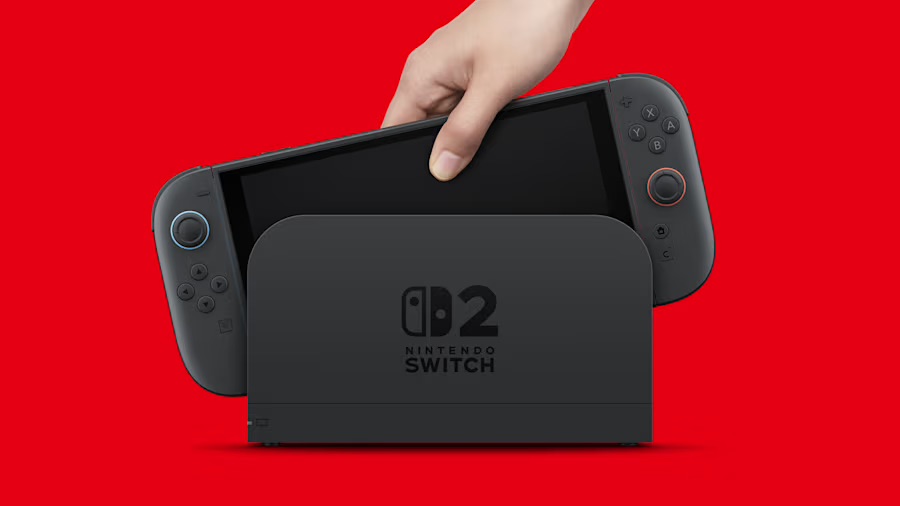
Credit: Nintendo
The Nintendo Switch 2’s backward-compatibility with Switch games is generally pretty good, and a few games have gotten patches from their developers to allow them to take advantage of the higher resolutions the console supports, among other features.
For unpatched Switch games running on the Switch 2 while it’s docked, there should generally be no loss of quality compared to playing the same game on the Switch—the game will run at 1080p on both consoles and should generally run about the same as long as there aren’t other compatibility problems. But games running on the Switch 2 in handheld mode can actually look worse than they do on the original Switch, mainly because they’ll still run at the original Switch’s native 720p resolution, which then has to be stretched out to fit the Switch 2’s 1080p display.
A new Switch 2 system update released yesterday (as reported by NintendoLife) has introduced a partial solution for this specific problem. Version 22.0.0 of the Switch’s software includes an optional feature called “Handheld Mode Boost,” which can be enabled by opening the console’s settings, then System settings, and scrolling down to “Nintendo Switch Software Handling.” This setting will attempt to run original Switch games using the same settings they would use while docked, even while the console is in handheld mode—this usually means a step up to the Switch 2’s native 1080p resolution, along with other graphical upgrades.
The latest Switch 2 system update will allow you to run original Switch games in handheld mode at the same resolutions and settings they would use while docked.
Credit: Andrew Cunningham
Even with Handheld Mode Boost enabled, the Switch 2 still takes screenshots of Switch 1 games at 720p in handheld mode, making it difficult to capture screenshots that demonstrate the setting in action. But in the two unpatched Switch games we tested (Mario Kart 8 Deluxe and Dragon Quest XI S), it worked as expected: both 2D and 3D elements were sharper, and things like draw distance and texture quality looked like they do in TV mode rather than handheld mode.
Nintendo points out several potential downsides to Handheld Mode Boost. Most obviously, running games at higher settings can increase the console’s power usage, which reduces battery life. And because the games “think” they’re running on a TV, you won’t be able to use the touchscreen, and attached Joy-Cons will register to the console as a single Pro Controller rather than a pair of Joy-Cons. Games that display different gameplay instructions when docked may also be affected.
Handheld Mode Boost doesn’t affect the performance of Switch 2 games, which already run at the built-in screen’s native 1080p resolution in handheld mode. It also presumably won’t affect Switch software that has been patched for the Switch 2, whether through a free developer update or a paid Nintendo Switch 2 Edition upgrade.

-
 C114 Communication Network
 -
 Communication Home
