
 Search

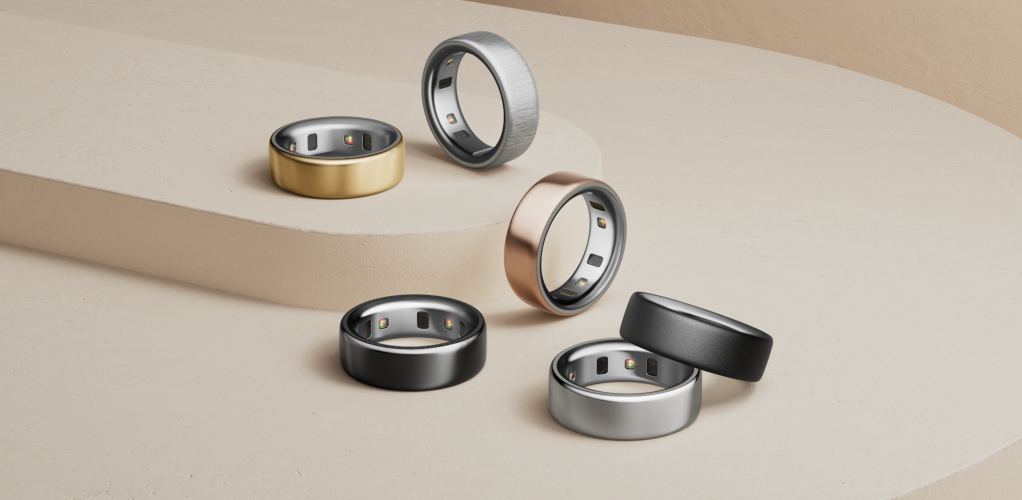
Image Credits:Oura
Finnish smart ring maker Oura is finally launching in India, taking on local rivals such as Ultrahuman in a relatively young smart ring market that is becoming price-sensitive thanks to an influx of low-cost options.
Oura is selling its Ring 4 starting at ₹28,900 (about $313), and going up to ₹39,900 (around $432), alongside a ₹599 (about $6) monthly membership. In the U.S., the ring starts at $349 with a $5.99 subscription. In comparison, Ultrahuman’s Ring Air is priced at ₹28,499 (around $308), and its new Ring Pro sells for ₹42,990 (about $465).
India’s smart ring market remains small, with shipments falling 30.6% in 2025 compared to a year earlier, and average selling prices declining 8.7% to $159.7, according to IDC, as lower-cost brands expand their presence in the country.
The decline reflects the category’s relatively new status in India, where smart rings remain a niche product, with limited awareness and relatively high prices despite the availability of lower-cost options, Vikas Sharma, senior market analyst for wearable devices at IDC, said. The segment saw initial momentum as an emerging tech trend, but that growth has not been sustained, he added. Marketing efforts have also been muted as most vendors prioritize larger markets.
The segment’s growth has also been constrained by limited competition beyond a handful of players, as the category lacks a broader ecosystem to drive awareness and innovation, Sharma told TechCrunch.
Ultrahuman led the smart ring category in India last year, with a 30.4% share, followed by Gabit, which held 18.3%, per IDC.
Oura is positioning the Ring 4 as a premium health device, combining hardware with a subscription service that delivers personalized insights on sleep, activity, and recovery. That combination of positioning and services sets the company apart from many local players, who largely compete on price.
Disrupt 2026: The tech ecosystem, all in one room
Your next round. Your next hire. Your next breakout opportunity. Find it at TechCrunch Disrupt 2026, where 10,000+ founders, investors, and tech leaders gather for three days of 250+ tactical sessions, powerful introductions, and market-defining innovation. Register now to save up to $400.
Save up to $300 or 30% to TechCrunch Founder Summit
1,000+ founders and investors come together at TechCrunch Founder Summit 2026 for a full day focused on growth, execution, and real-world scaling. Learn from founders and investors who have shaped the industry. Connect with peers navigating similar growth stages. Walk away with tactics you can apply immediately
Offer ends March 13.
The rivalry between Oura and Ultrahuman extends beyond India: The Finnish company sued Ultrahuman in the U.S., affecting the sales of the smaller company’s Ring Air in the country. The Bengaluru-based company said it has redesigned the new Ring Pro to work around Oura’s patents, and has submitted it to U.S. Customs and Border Protection to confirm it can be legally imported.
Alongside the launch, Oura released a report on sleep patterns among its users in India, based on data collected between October 2024 and September 2025. The analysis found users averaged about six hours and 28 minutes of sleep per night, below recommended levels, and spent less time in restorative sleep stages than global averages.
The findings underline both the opportunity and the challenge in India: While awareness of health and wellness is rising, translating that into demand for premium, subscription-based devices in a price-sensitive market remains far from certain.
Whether that demand can scale will depend on more brands entering the market and diversifying pricing and positioning, Sharma said.

-
 C114 Communication Network
 -
 Communication Home
