
 Search

(Image credit: Future / Mike Lowe)
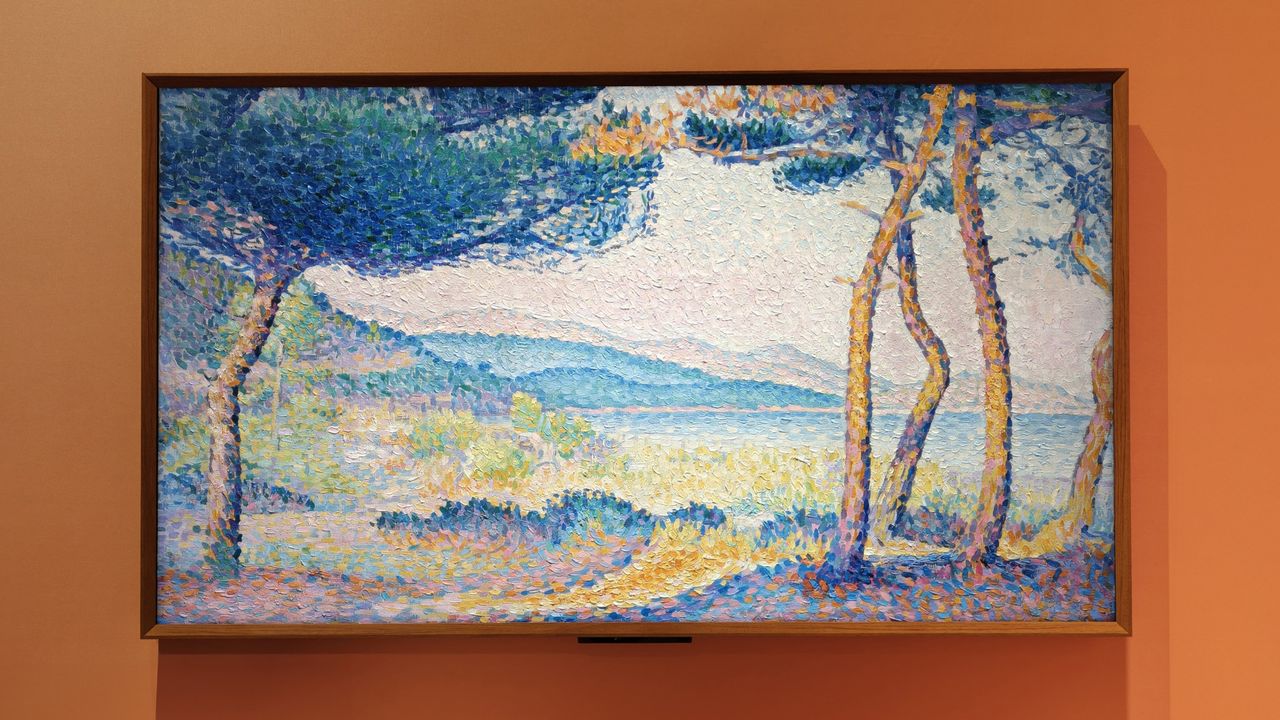
Just last week, Amazon announced its new Ember Airline TV, the brand's response (in some ways) to Samsung's well-established The Frame line of "art TVs".
I say "art TVs" in quotes not because they necessarily look "arty" (some do more than others), but because the panels have a matte, anti-reflective coating that means they look more painterly and less, well, like a typical TV.
That's great for viewing paintings and artworks, which comes as part of the service – or, more accurately, as an additional subscription. Samsung's Art Store, for example, is the fullest of those available, with its 5,000 pieces (and counting), but it costs £39.99/yr ($49.99/yr) after your first year of purchase.
Amazon is only the latest in on the trend. I've seen Hisense's Canvas set, which was first teased two years ago. TCL wasn't far behind, with its NxtVision sets – although it was only last year, in 2025, that these arrived in the UK.
Which begs the question: where did this trend actually begin? A drive from the industry because the technology exists and the opportunity to upsell was identified? Or a demand from the customer, because it's what we've always wanted (even if we didn't know it)?
I feel that it's the ol' "chicken-and-egg" scenario. I can appreciate that not everyone wants to stare at a black slate – whether wall-mounted or on its stand – but that's inherently what a modern TV is. When it's off I don't find it a distraction.
(Image credit: Future / Mike Lowe)
Put a rotating carousel of art on a TV, however, and I'm going to be more distracted compared to it just being off. I rather enjoy looking at art, but inevitably getting to galleries which store rare works is nigh-on impossible for most of us.
I remember first seeing Samsung's The Frame way back in 2017, though. It was a revelation to me that a true TV could be so truly matte yet so versatile. The brand has only gone on to improve this technology year after year, offering the best on the market now.
Indeed, Samsung has gone yet further, this year revealing that its S95H OLED TV is equipped with an anti-burn-in feature, making it the first panel of its type to also offer Art Store. So there's a clear push for this feature to reach more users.
Which it has. While Samsung won't disclose figures as to how many subscribe to Art Store, an April 2025 press release confirms subscriptions increased "70% globally year-over-year since February 2024". That's a substantial increase over 14 months, but it's still not an actual number.
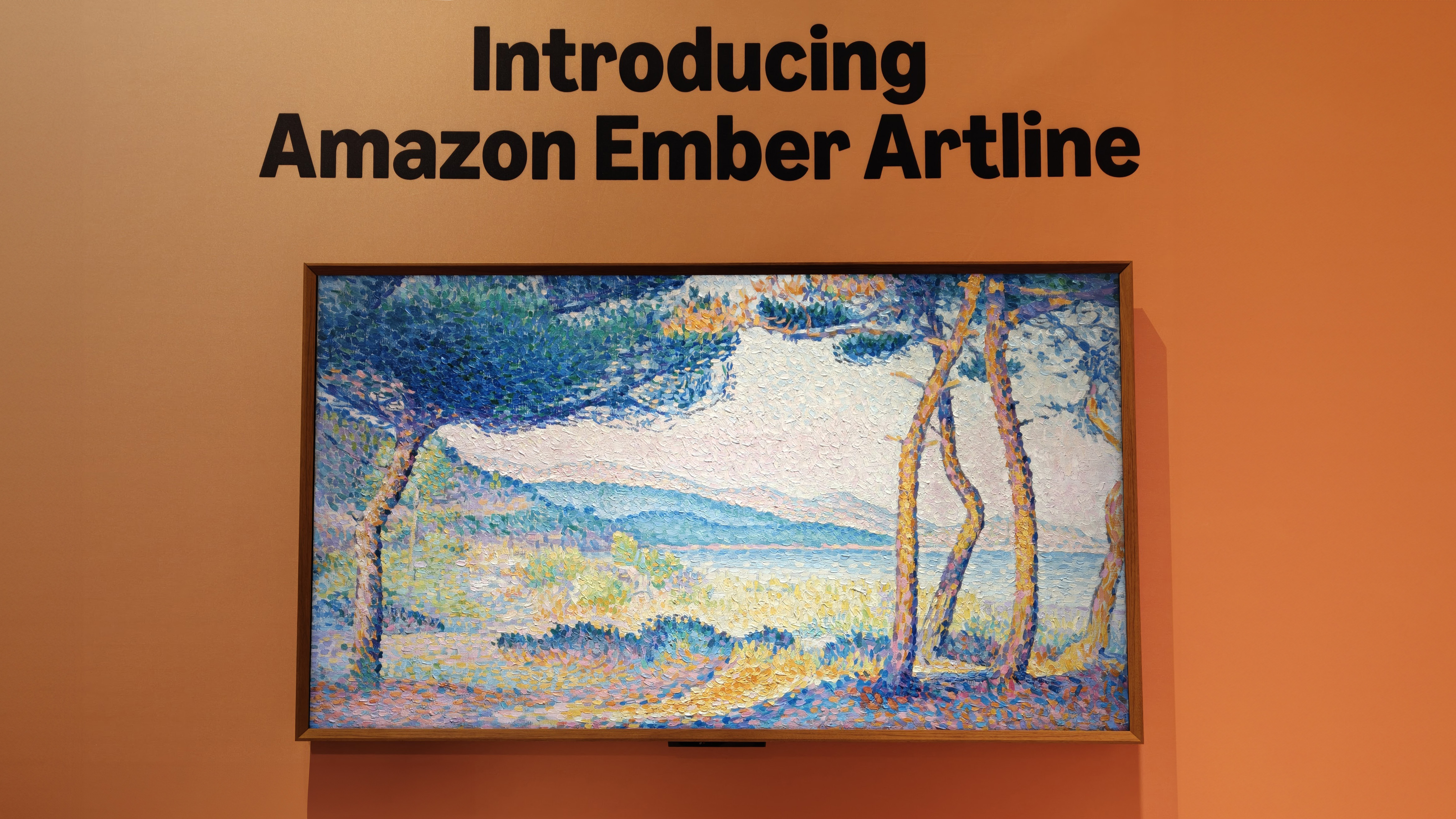
Such growth, however, has clearly caused its competition to get in line and offer alternatives. I hadn't anticipated getting to see Amazon's new Ember TV in person, because it's so aligned with US-first launches. However, when at CES 2026 – the world's largest technology show, out in Las Vegas – it was there, pride of place.
(Image credit: Future / Mike Lowe)
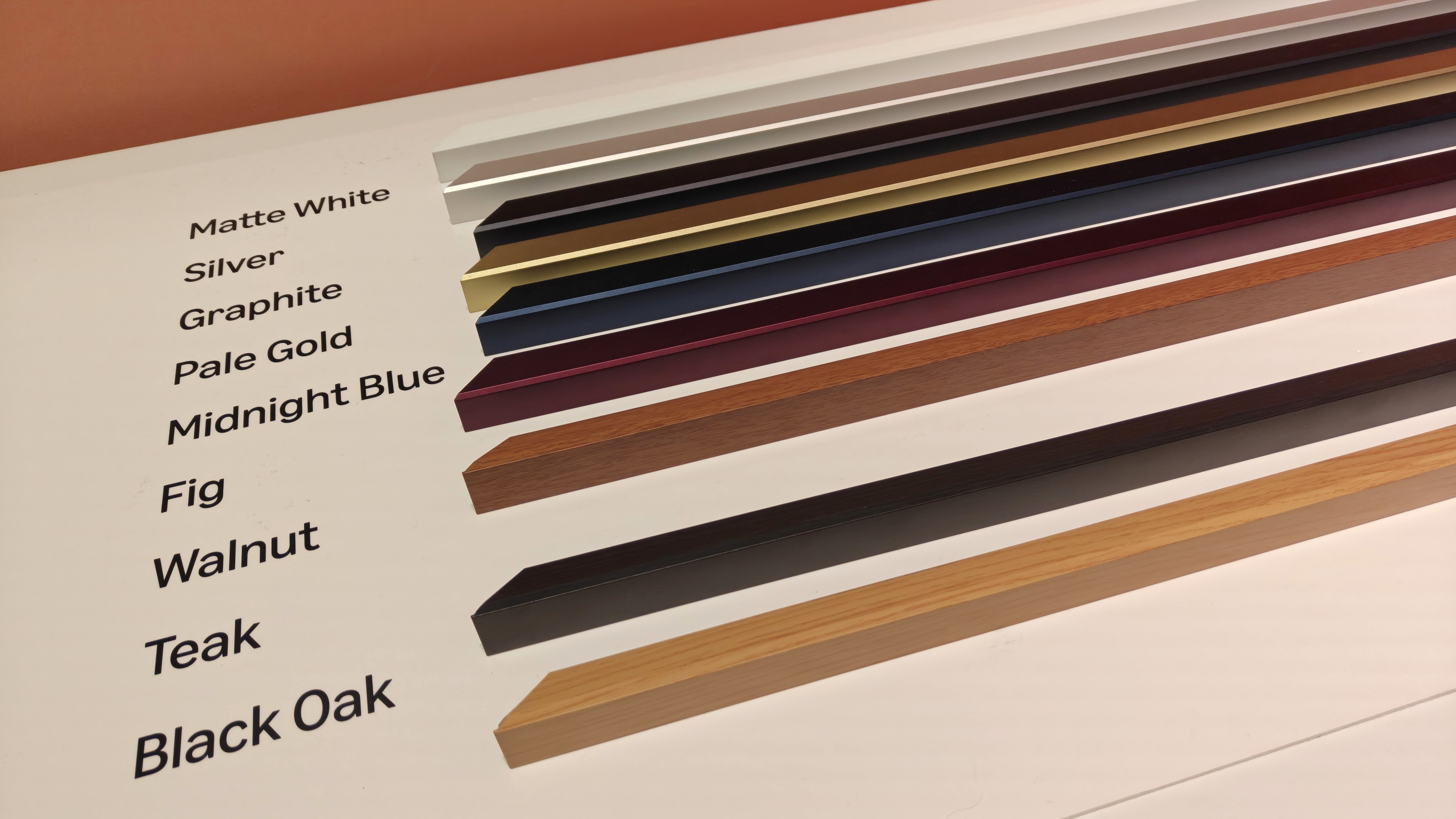
Amazon is being pretty smart with the Ember. Not only does it debut the brand's new product name – Fire TV being the OS, rather than the product – but the Artline also comes complete with a frame edge included. Samsung's The Frame does not.
That means you can pick which frame edge you want – see my image above of those on offer – to make the set look even more picture frame-alike in aesthetic. That'll cost you more elsewhere.
Pricing is also confident, with the 55-inch model starting at $899. There's a 65-inch model, too, pricing TBC. The release schedule is yet to be defined, but those in the USA, Canada, Germany and the UK can sign-up to show pre-order interest.
The conclusion? Art TVs are certainly here to stay. Demand is up, based on customer subscription data. Whether that will remain an upward trajectory, however, is unknown.
But with more product choice than ever before, such a supply from more TV-makers only suggests that more customers will consider buying into this trend – whether or not they asked for it first.

-
 C114 Communication Network
 -
 Communication Home
