
 Search

Credit: Getty Images
Like any industry that’s led by designers, the automotive world is subject to trends and fashions. Often, these are things the rest of us complain about. Wheels that used to be 16 inches are now 20s, because the extra size makes the vehicle they’re fitted to look smaller, particularly if it’s an SUV with a slab of electric vehicle battery to conceal. Front seat passengers now find themselves with their own infotainment screen, often with some kind of active filter tech to prevent the driver from being distracted by whatever it is they’re doing. And of course le buzz du jour, AI, is being crammed in here, there, and everywhere.
But the thing about fashion and trends is that they don’t remain in style for ever. For a few years, it was hard to drive a new car that didn’t use piano black trim all over the interior. The shiny black plastic surfaces hide infotainment screens well when the display is not turned on, but they scratch and show every speck of dust and lint and every smudge and fingerprint. And that’s true for the cheap econobox to the plush luxobarge. The industry finally cottoned on to this, and “black gloss has had its time—we can do without it,” Kia designer Jochen Paesen told me a few years ago.
Many of those design trends may have been annoying, but the switch away from buttons isn’t just about aesthetics; it’s affecting safety. And increasingly, safety regulators are pushing back. A couple of years ago, we learned that the Euro New Car Assessment Programme (NCAP) organization that crash tests cars for European consumers decided that from 2026, it would start deducting points for basic controls that weren’t separate, physical controls that the driver can easily operate without taking their eyes off the road. And now ANCAP, which provides similar crash testing for Australia and New Zealand, has done the same.
But why?
It’s helpful to know that the lack of physical buttons isn’t just a trend pushed by designers—the bean counters like it, too. It’s quicker—and therefore cheaper—during assembly to just fit a capacitive touch module that controls multiple settings or switches than it is to have individual buttons, each connected to a wiring loom. Which is why we’re seeing the controls for heating and cooling the interior, the headlights, seat heaters, and more move from knobs and dials and sliders and buttons to touch panels. Sometimes they’re standalone, sometimes they’re embedded along the bezels of the infotainment touchscreen. Sometimes they’re even their own touchscreen.
And they’re more distracting to use than physical buttons.
Like Euro NCAP, ANCAP is not requiring all functions to be physical buttons, lest all our cars look like the flight deck of a Boeing 747-400, or perhaps a first-generation Porsche Panamera. That won’t go nearly far enough for some, but it is at least a move in the right direction.
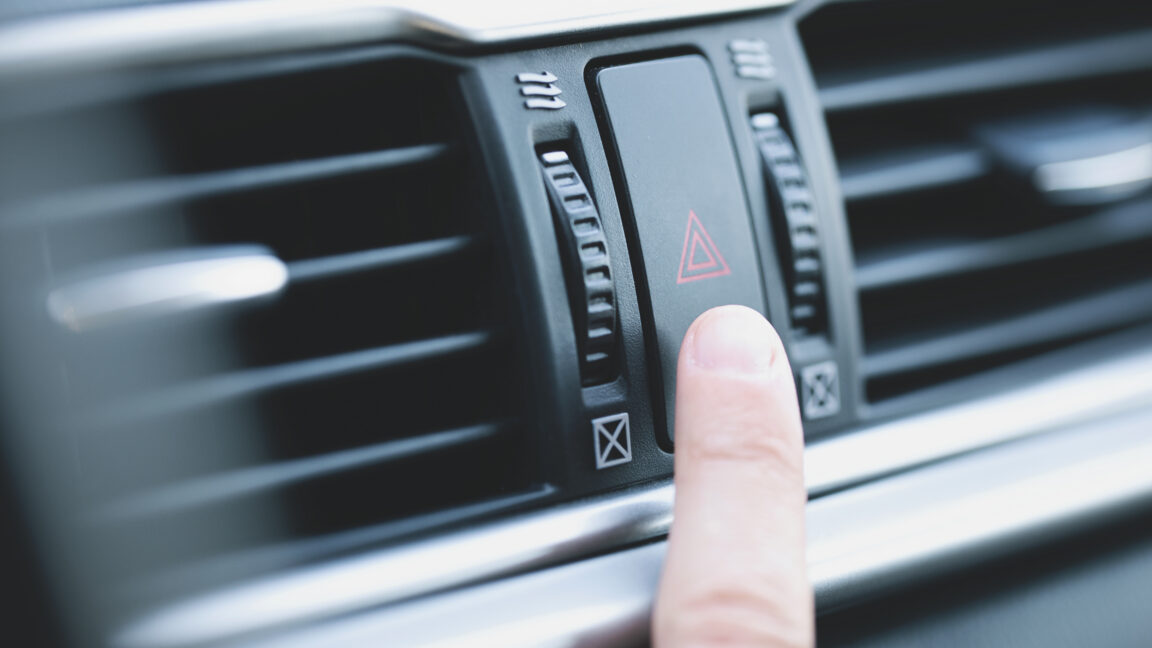
“From 2026, we’re asking car makers to either offer physical buttons for important driver controls like the horn, indicators, hazard lights, windscreen wipers and headlights, or dedicate a fixed portion of the cabin display screen to these primary driving functions,” it wrote in its guidance of what’s changed for 2026. Similarly, Europe is requiring turn signals, hazard lights, windshield wipers, the horn, and any SOS features like the EU’s eCall function.
Encouragingly, it looks like automakers are starting to take this to heart and are designing newer models accordingly. Porsche was an early ditcher of buttons after having previously used many, many of them (like the aforementioned Panamera), but as we found in our preview of the next Cayenne, real buttons are back on the menu.

-
 C114 Communication Network
 -
 Communication Home
