
 Search

Credit: Ryan Whitwam
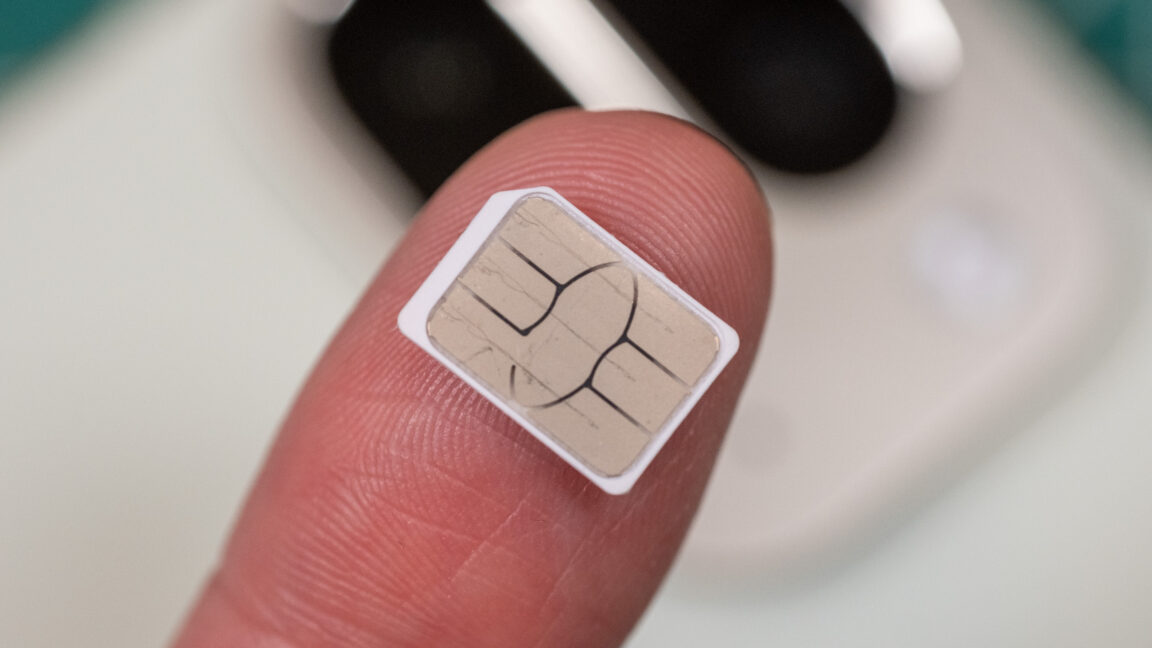
SIM cards, the small slips of plastic that have held your mobile subscriber information since time immemorial, are on the verge of extinction. In an effort to save space for other components, device makers are finally dropping the SIM slot, and Google is the latest to move to embedded SIMs with the Pixel 10 series. After long avoiding eSIM, I had no choice but to take the plunge when the time came to review Google’s new phones. And boy, do I regret it.
The journey to eSIM
SIM cards have existed in some form since the ’90s. Back then, they were credit card-sized chunks of plastic that occupied a lot of space inside the clunky phones of the era. They slimmed down over time, going through the miniSIM, microSIM, and finally nanoSIM eras. A modern nanoSIM is about the size of your pinky nail, but space is at a premium inside smartphones. Enter, eSIM.
The eSIM standard was introduced in 2016, slowly gaining support as a secondary option in smartphones. Rather than holding your phone number on a removable card, an eSIM is a programmable, non-removable component soldered to the circuit board. This allows you to store multiple SIMs and swap between them in software, and no one can swipe your SIM card from the phone. They also take up half as much space compared to a removable card, which is why OEMs have begun dropping the physical slot.
Apple was the first major smartphone maker to force the use of eSIM with the release of the iPhone 14, and it makes use of that space. The international iPhone 17 with a SIM card slot has a smaller battery than the eSIM-only version, but the difference is only about 8 percent. Google didn’t make the jump until this year with the Pixel 10 series—the US models are eSIM-only, but they unfortunately don’t have more of anything compared to the international versions.
In advance of the shift, Android got system-level support for downloading and transferring eSIMs. But whatever can go wrong will go wrong, and it’s extremely annoying when eSIM goes wrong.
Please hold for support
There have been times when I swapped between phones on an almost daily basis—such was the nature of reviewing phones back when there were a dozen of them coming out every month. Never once in all those countless device swaps did I have a problem with my SIM card. As such, I managed to avoid contacting carrier support for years at a time.
In the three months since Google forced me to give up my physical SIM card, I’ve only needed to move my eSIM occasionally. Still, my phone number has ended up stuck in limbo on two occasions. Android’s built-in tools work better than they used to, and I can’t say what is responsible for the eSIM corruption. However, carriers bear the responsibility for how annoying this is to fix.
The first time, I was logged in to the mobile app for my carrier (T-Mobile). After a few minutes of back and forth with support, I was able to use the app to authenticate and get a new eSIM pushed to the phone. It was annoying but relatively painless. The second time a SIM transfer went sideways, I was not logged in to the app, and that was a problem.
When a mobile carrier needs to verify your identity for an account change, they all do the same thing: send a text message. And what happens if you don’t have a working SIM? That’s right—nothing. Without access to my account or phone number, I was stuck with no way to download a new eSIM. The only course of action was to go to a physical store to download an electronic SIM card. What should have been 30 seconds of fiddling with a piece of plastic turned into an hour standing around a retail storefront.
Maybe this isn’t a good idea
Many people have had the same phone number for years—even decades at this point. These numbers aren’t just a way for people to get in touch because, stupidly, we have also settled on phone numbers as a means of authentication. Banks, messaging apps, crypto exchanges, this very website’s publishing platform, and even the carriers managing your number rely on SMS multifactor codes. And those codes aren’t even very secure.
So losing access to your phone number doesn’t just lock you out of your phone. Key parts of your digital life can also become inaccessible, and that could happen more often now due to the fungible nature of eSIMs.
Most people won’t need to move their phone number very often, but the risk that your eSIM goes up in smoke when you do is very real. Compare that to a physical SIM card, which will virtually never fail unless you damage the card. Swapping that tiny bit of plastic takes a few seconds, and it never requires you to sit on hold with your carrier’s support agents or drive to a store. In short, a physical SIM is essentially foolproof, and eSIM is not.
Obviously, the solution is not to remove multifactor authentication—your phone number is, unfortunately, too important to be unguarded. However, carriers’ use of SMS to control account access is self-defeating and virtually guarantees people are going to have bad experiences in the era of eSIM. Enshittification has truly come for SIM cards.
If this future is inevitable, there ought to be a better way to confirm account ownership when your eSIM glitches. It doesn’t matter what that is as long as SMS isn’t the default. Google actually gets this right with Fi. You can download an eSIM at any time via the Fi app, and it’s secured with the same settings as your Google account. That’s really as good as it gets for consumer security. Between Google Authenticator, passkeys, and push notifications, it’s pretty hard to get locked out of Google, even if you take advantage of advanced security features.
We gave up the headphone jack. We gave up the microSD card. Is all this worthwhile to boost battery capacity by 8 percent? That’s a tough sell.

-
 C114 Communication Network
 -
 Communication Home
