
 Search

(Image credit: Sam Cross)
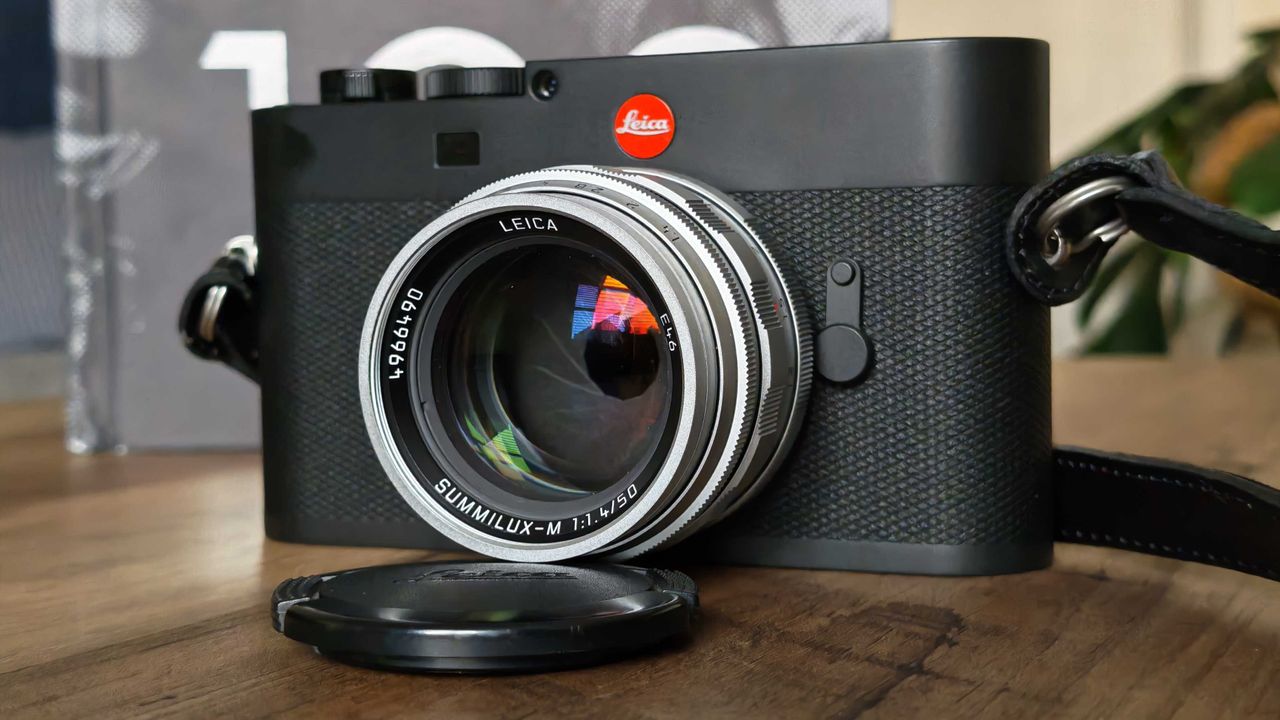
Back in October, Leica unveiled one of its most radical cameras ever. The Leica M-EV1 saw the introduction of an electronic viewfinder for the first time ever, removing one of the most iconic parts of the classic camera.
The benefits of such a design mean that ultra-wide or longer telephoto lenses can be used without needing to use unsuitable frame lines a a guide. With the traditional rangefinder design, a set of frame lines show as an overlay on an optical field-of-view.
Here, the viewfinder displays exactly what the lens sees, which is generally considered to be an easier way of shooting. The only thing anyone will miss out on from this setup is the ability to look beyond the frame lines to anticipate movement, which is something street photographers enjoy with the traditional rangefinder setup.
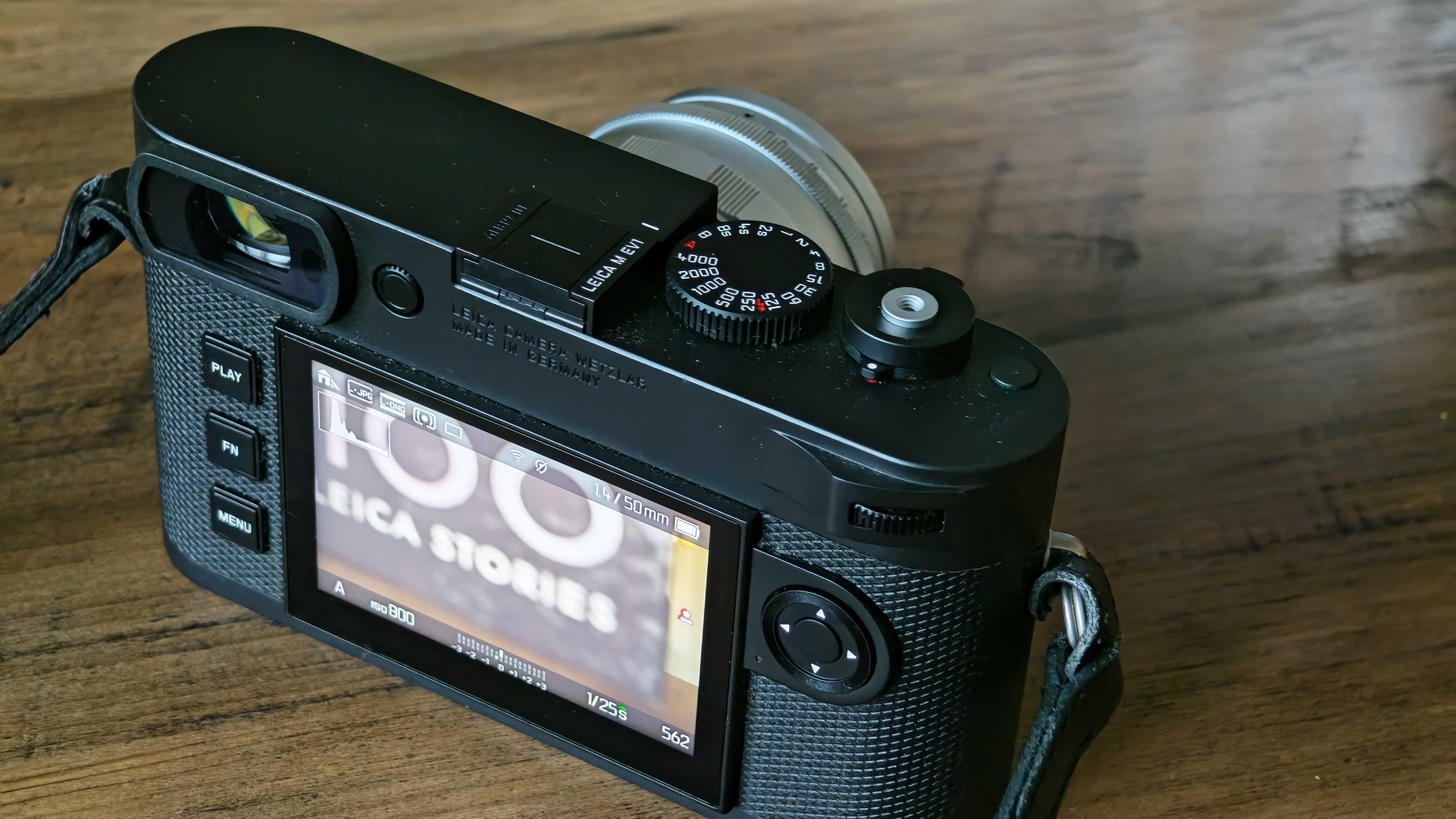
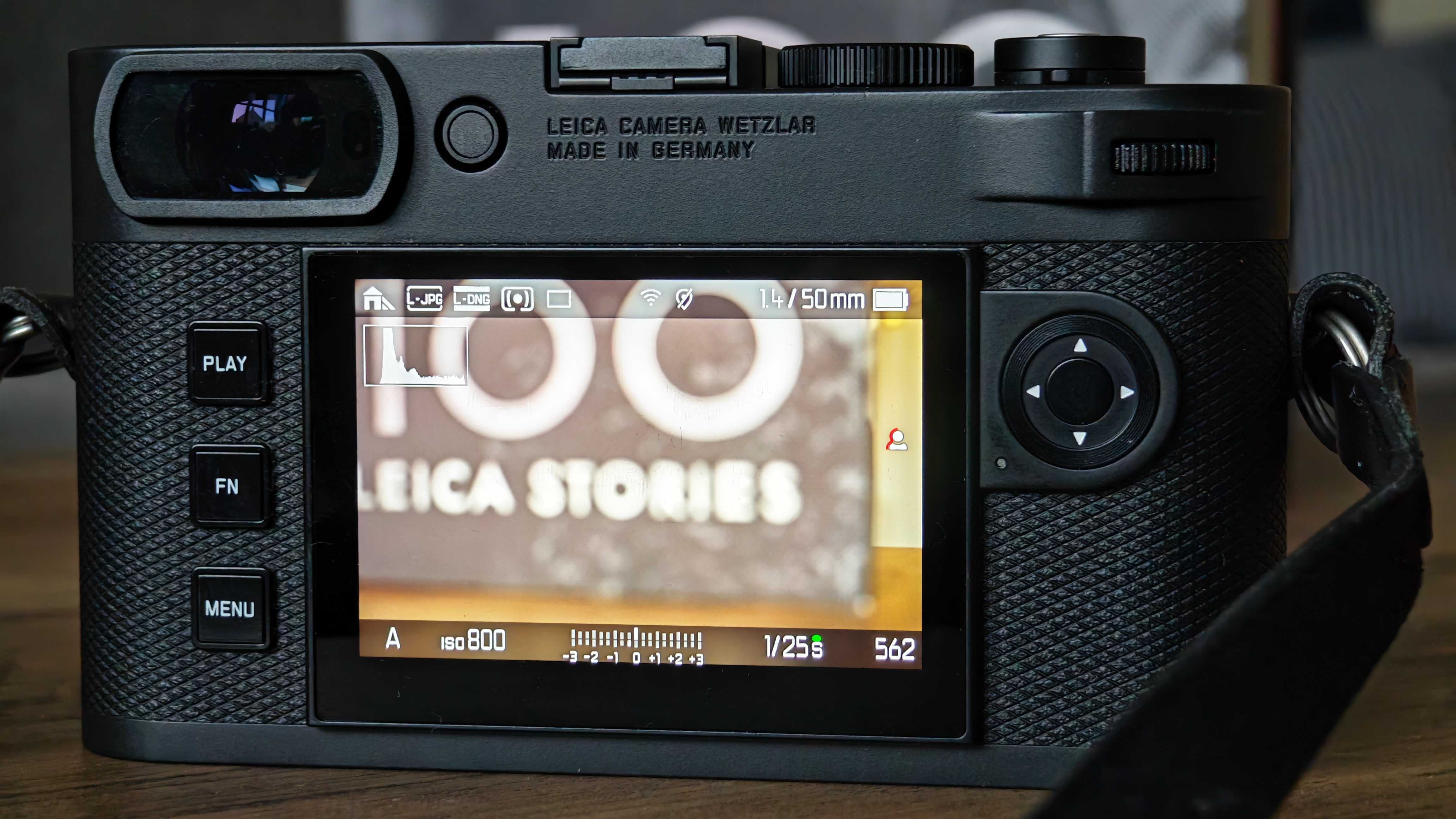
What you get instead is a more modern – and often more accurate – focussing system, with focus peaking in the viewfinder. That's nothing new if you've used manual focus lenses with other modern cameras, but it's a big deal here.
(Image credit: Sam Cross)
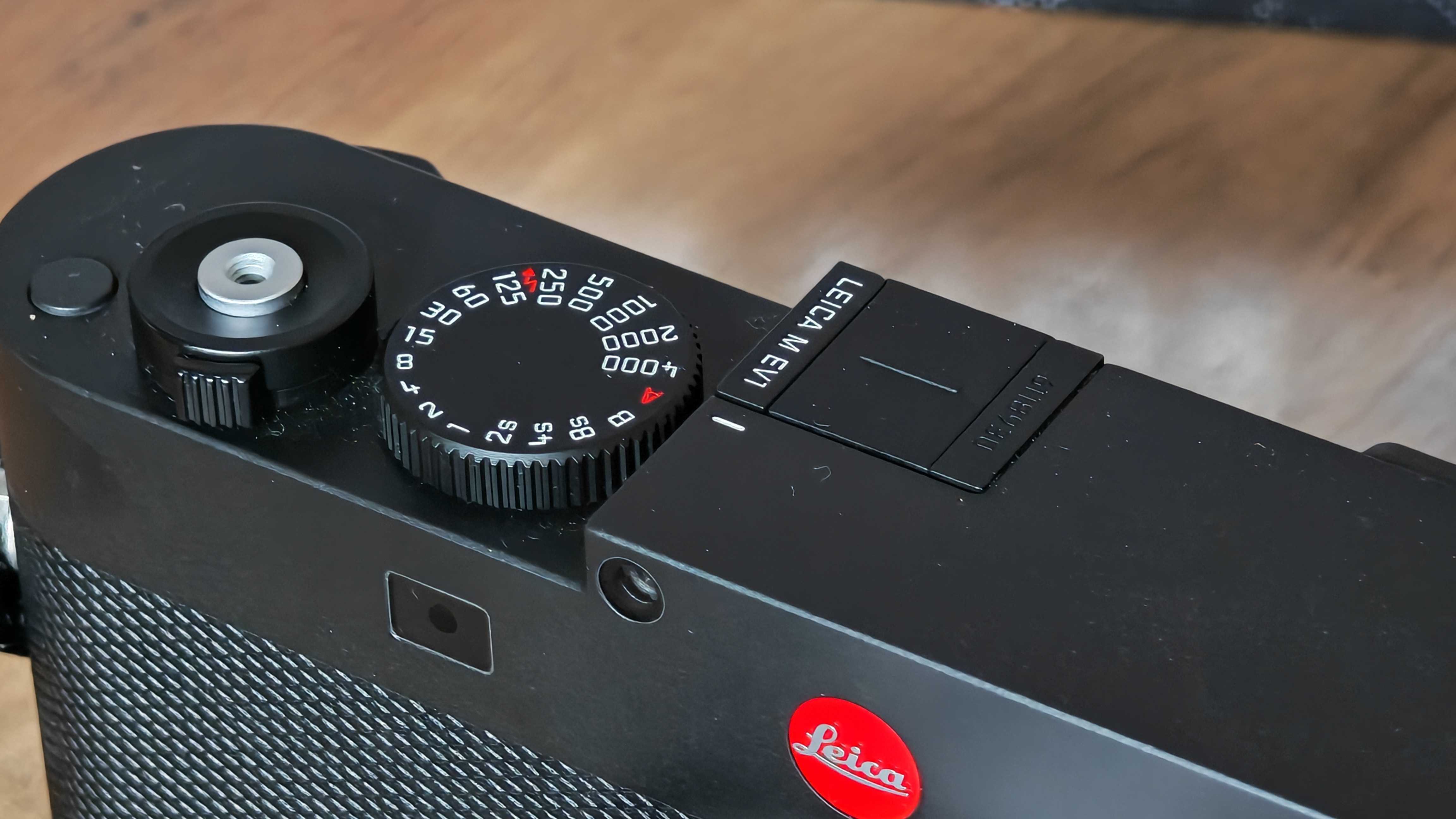
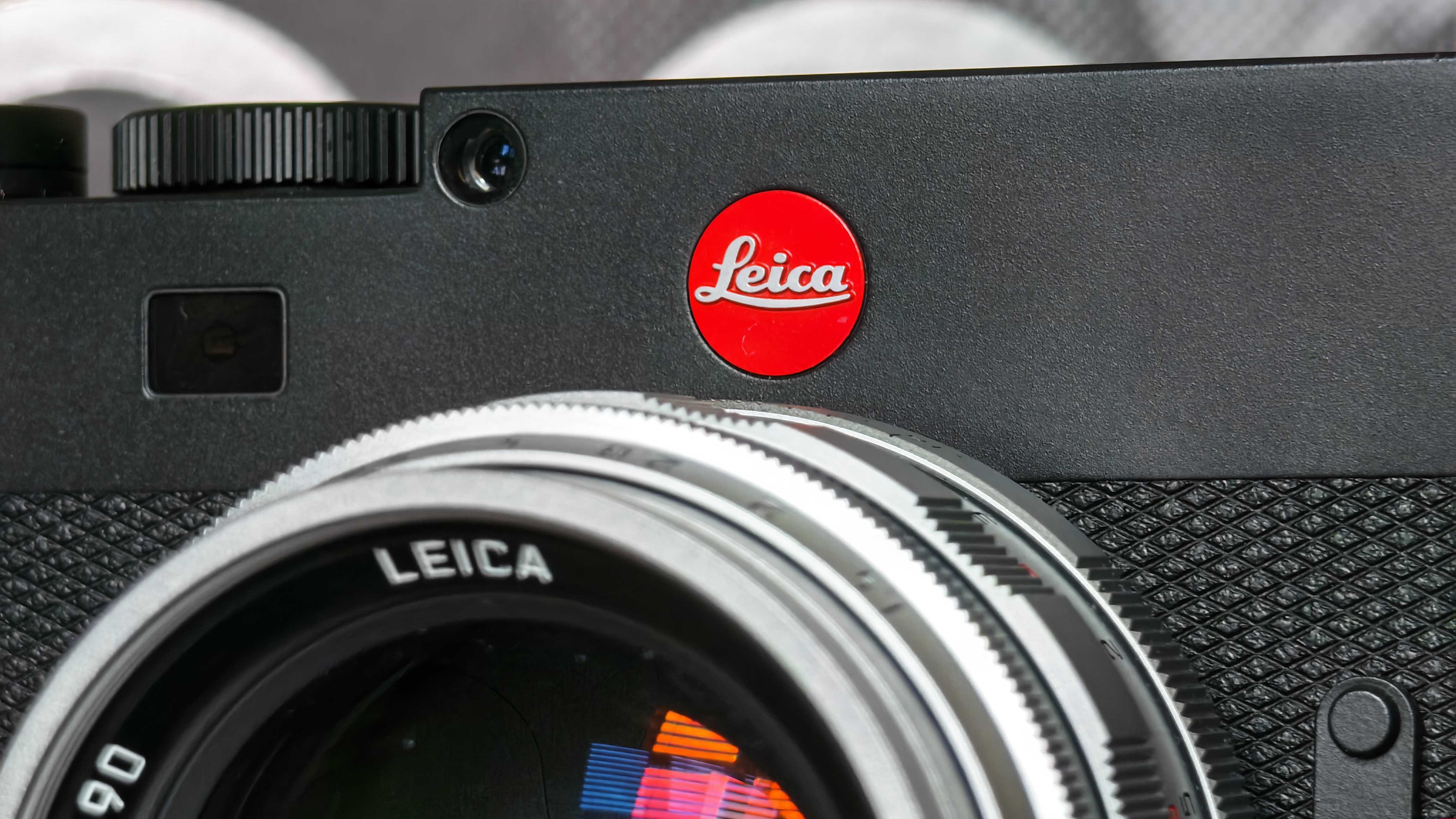
They've also re-purposed the frame line selector switch on the from of the case. That's now used to activate some of the focus assist functions, or to use the digital zoom.
Inside, you'll find the same whopping 60MP sensor which has been present in all of the M11 range. I've previously used that in the Leica M11-D, so I'm already aware of the quality on offer, but in short, it's simply fantastic.
(Image credit: Sam Cross)
(Image credit: Sam Cross)
What is the Leica M-EV1 like to use?
You'd be forgiven for not noticing too much of a difference between this and other Leica cameras when you first pick it up. The build quality is the same exceptional level you'd expect from any camera from the brand, sitting within a magnesium and aluminium housing.
In use, that familiarity translates excellently. You'll feel right at home with this camera, which does a good job of hiding its digital heart beneath and analogue-looking exterior.

(Image credit: Sam Cross)

(Image credit: Sam Cross)

(Image credit: Sam Cross)

(Image credit: Sam Cross)
(Image credit: Sam Cross)

(Image credit: Sam Cross)
I'm not the biggest fan of using focus peaking in photography – I often find it a distracting way to work – but it wasn't too bad here. If you're not used to using manual focus, there might be a bit of a learning curve, but the same can be said of any Leica M-Series camera. The focus peaking should also help to ease that curve.
What is worth mentioning here is that there isn't too much of a focus on the digital technology here. Leica has been really clever at retaining a lot of the analogue feel, only adding in modern tech where it can help out.
(Image credit: Sam Cross)
Is the Leica M-EV1 worth buying?
The real question, though, is whether this camera is worth your time and money. That's more of an interesting question, and something which is really going to depend on what you use the camera for.
When I first heard about it, I thought it was a bit of an odd middle ground. The Leica SL3 is more capable as a digital unit, while other models in the Leica M-Series probably make more sense for those seeking some analogue heart.
Where the M-EV1 sits is nuanced, by comparison. It will appeal to anyone who wants to use wider or telephoto lenses with their M-Series cameras, but there's more to it than that.
For any photographers who have grown up in the digital era, and want a taste of Leica without diverting too far from what they know, this feels like the perfect pick.

-
 C114 Communication Network
 -
 Communication Home
