
 Search

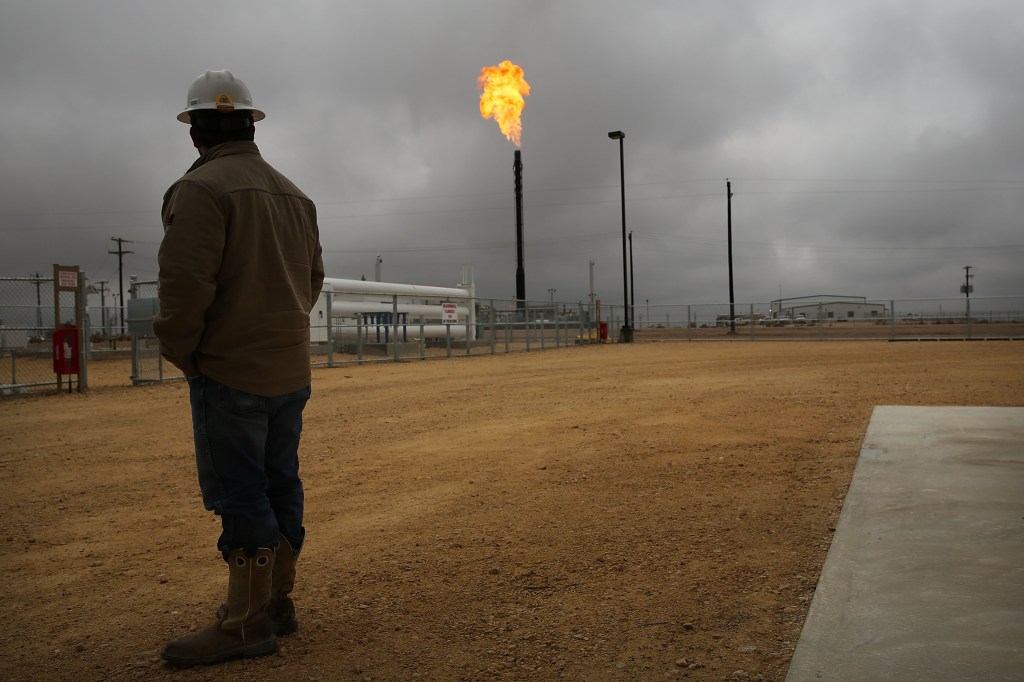
Image Credits:Spencer Platt / Getty Images
Data centers have gotten so large that their power demands now rival entire U.S. states. Take Meta’s Hyperion AI data center, for example. When completed, the new AI data center will draw as much electricity as South Dakota.
Last week, Meta announced it would fund seven natural gas power plants — on top of the three it had already committed to building — to support the $27 billion data center. When combined, the 10 power plants in Louisiana will generate around 7.5 gigawatts of electricity, slightly more than the capacity of the entire Mount Rushmore State.
Like many tech companies, Meta has touted its climate and environmental bona fides over the years. It regularly publishes sustainability reports, and it frequently crows about its renewable energy purchases. It effectively bought a nuclear power plant for 20 years.
Meta’s Hyperion data center site in Louisiana will test the company’s commitments.
Natural gas has been hailed as a “bridge fuel” — build a few natural gas power plants now while renewables, batteries, and nuclear get their legs under them. That’s almost certainly how Meta is justifying the move internally.
But people have been making the bridge fuel argument for decades, and it’s wearing a little thin. Renewables and batteries have plummeted in price while prices for gas turbines have skyrocketed. Meta has been a leading purchaser of solar, batteries, and nuclear in recent years, which makes the decision to go big on natural gas all the more perplexing.
TechCrunch reached out to Meta. The company did not reply to multiple requests for comment.
Disrupt 2026: The tech ecosystem, all in one room
Your next round. Your next hire. Your next breakout opportunity. Find it at TechCrunch Disrupt 2026, where 10,000+ founders, investors, and tech leaders gather for three days of 250+ tactical sessions, powerful introductions, and market-defining innovation. Register now to save up to $400.
Save up to $300 or 30% to TechCrunch Founder Summit
1,000+ founders and investors come together at TechCrunch Founder Summit 2026 for a full day focused on growth, execution, and real-world scaling. Learn from founders and investors who have shaped the industry. Connect with peers navigating similar growth stages. Walk away with tactics you can apply immediately
Offer ends March 13.
The massive turbines in Louisiana will dump 12.4 million metric tons of CO2 into the atmosphere every year, according to TechCrunch’s calculations, which is based on data from the Department of Energy. That is 50% more than Meta’s entire carbon footprint in 2024, the most recent year such numbers are available.
That figure is an underestimate of the climate impact, too, since it doesn’t include leaks from the natural gas supply chain.
Methane, the main component of natural gas, warms the planet 84 times more than carbon dioxide. Even leakage rates of 0.2% along the supply chain can make natural gas’ climate impact worse than coal. In the U.S., natural gas production and pipelines leak methane at a rate that’s closer to 3%. That’s hardly clean power.
The company’s latest sustainability report makes no mention of methane leaks. It doesn’t mention methane or natural gas at all. And yet the fuel is poised to become one of the largest contributors to Meta’s carbon footprint in the coming years.
The company may well stick to its climate pledge and find a way to offset those emissions through carbon removal credits. But now it will need a lot more of them, along with an honest accounting of exactly how much methane will leak into the atmosphere in service of feeding its new power plants.

-
 C114 Communication Network
 -
 Communication Home
