
 Search

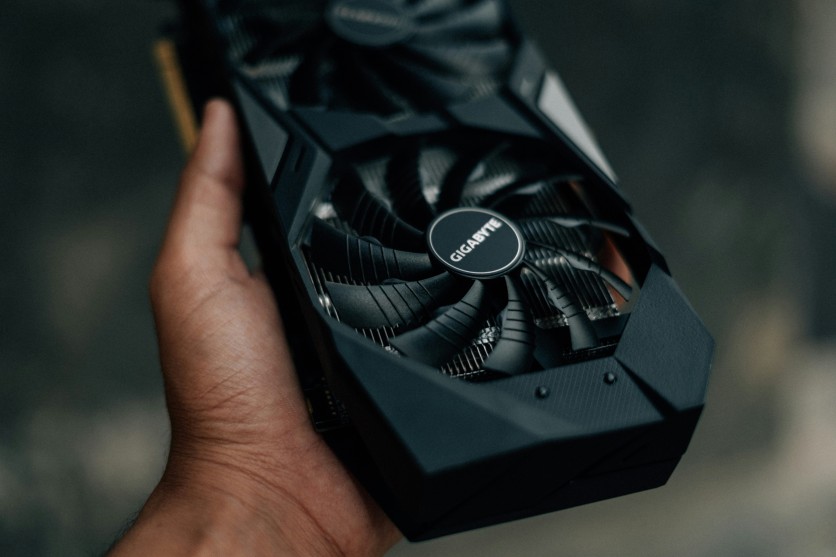
Sumeet Singh/Unsplash
After years of unpredictable spikes, GPU pricing has finally stabilized, benefiting both gamers and PC builders. The post-2022 crypto crash removed mining-driven demand, allowing MSRP levels to reassert themselves, with models like the RTX 4070 Super trading around $599 instead of $900 scalper peaks. This normalization opens the door for mainstream 1440p gaming adoption, as price barriers no longer limit enthusiasts.
PC hardware trends are also evolving, emphasizing AI-powered upscaling and frame generation over purely raw rasterization, which balances performance with cost effectively. Manufacturers can now meet demand efficiently thanks to ramped-up production using TSMC's 4NP node, creating stable inventories while avoiding the shortages and price gouging of previous years. This equilibrium is shaping the modern graphics card market, ensuring long-term accessibility and technological progress.
Factors Driving GPU Pricing Recovery
GPU pricing recovery stems from a combination of reduced mining demand, improved production efficiency, and strategic market realignment. The Ethereum merge caused a 40% drop in cryptocurrency hashrate, slashing mining profitability by 80% and freeing up previously scarce cards for regular consumers. This eliminated a major source of speculative demand that had driven GPU prices to unprecedented highs.
- Graphics card market stabilization also benefits from increased wafer yields, rising roughly 25% thanks to EUV lithography scaling, allowing RTX 5090 production to reach 100K units per month efficiently.
- Midrange GPUs now dominate sales; the RTX 5070 accounts for 60% of volume while flagship cards hold only 10%, reflecting a shift in consumer preference toward cost-effective, value-oriented options rather than premium flagship hoarding.
- Contract manufacturing and improved logistics reduce bottlenecks that previously inflated GPU prices, enabling smoother distribution to retailers.
- Reduced speculative demand from miners and scalpers lowers secondary market premiums, making GPUs more accessible to gamers and PC builders while supporting a more balanced supply-demand ecosystem.
- Regional pricing differences also diminish as global supply chains normalize, ensuring more uniform MSRP adherence worldwide.
Current Graphics Card Market State
The graphics card market is now healthier, more predictable, and segmented across performance tiers, offering stability for consumers and manufacturers alike. PC hardware trends indicate high-end cards like the RTX 5080 maintain MSRP around $1,199, with AIB partners enforcing moderate 15% margins, reflecting a controlled profit environment without artificially inflating prices.
- GPU pricing volatility declines as contract manufacturing and long-term supply agreements stabilize inventory, preventing sudden shortages that previously led to massive price spikes.
- Intel Arc B580 undercuts NVIDIA by 20%, capturing the budget 1080p segment aggressively and driving competition that benefits consumers across entry-level tiers.
- Used market premiums have evaporated; for example, the RTX 4090 now trades around 95% of MSRP, compared to peaks exceeding 200% during periods of scarcity.
- Graphics card market stability ensures that gamers and system builders can plan upgrades confidently without fearing artificial inflation, regional shortages, or scalping.
- Retailers and distributors can now provide bundled offers and preorders with predictable shipping timelines, further contributing to market transparency and consumer trust.
- Competitive pricing encourages wider adoption of midrange GPUs, increasing the overall PC gaming user base and expanding the ecosystem for high-performance gaming peripherals and software.
Read more: Best iPads that Students Can Use in School for 2025
Future PC Hardware Trends Impact
Future trends in PC hardware will continue shaping GPU pricing, accessibility, and the balance between high-end performance and energy efficiency. Upcoming Blackwell refresh cards in Q2 2026 are expected to maintain pricing discipline, while memory oversupply—particularly Samsung's HBM3e modules—reduces VRAM costs by roughly 30%, easing overall GPU pricing.
- Power efficiency is becoming a key differentiator; for example, the 300W RTX 5070 Ti now delivers comparable rasterization performance to the 450W 4070 Ti, reducing PSU requirements and lowering overall system electricity costs.
- Next-gen consoles like the PS6 and Xbox set performance caps around 12 TFLOPS, limiting high-end GPU cannibalization and helping manufacturers maintain premium pricing tiers without oversaturating the market.
- AI-based upscaling and frame generation adoption continues to grow, allowing GPUs to deliver higher perceived performance without requiring raw hardware upgrades, influencing buying decisions and long-term value perception.
- PC hardware trends emphasize value segmentation, ensuring midrange cards meet the performance needs of most gamers while flagship models retain appeal for enthusiasts and professionals requiring the highest fidelity.
- Sustainability and power efficiency considerations are increasingly influencing design; manufacturers are prioritizing lower TDP solutions and improved thermal management, reducing costs for cooling solutions and enhancing system longevity.
- Emerging software optimizations, such as game-specific drivers and AI-enhanced rendering, are extending the usable lifespan of GPUs, making pricing more predictable over several generations.
Conclusion
GPU pricing stabilization through graphics card market normalization and evolving PC hardware trends ensures that high-fidelity gaming is accessible across budgets. The post-crypto crash equilibrium allows consumers to purchase cards confidently, reducing uncertainty and market speculation.
Supply-demand balance is likely to endure, maintaining innovation velocity without artificial scarcity constraining access. Gamers now benefit from competitive options across entry-level, midrange, and flagship segments, while manufacturers can plan production efficiently, paving the way for sustained technological progress in gaming graphics cards.
Frequently Asked Questions
1. Why has GPU pricing stabilized recently?
GPU pricing stabilized due to decreased mining demand after the Ethereum merge and improved production efficiency via advanced wafer technologies. Midrange GPUs dominate sales, reducing speculative demand. Secondary market premiums have normalized. Consumers now face predictable MSRP levels.
2. How does the graphics card market affect PC hardware trends?
A stable graphics card market allows manufacturers to focus on performance optimization and AI features. Midrange GPU saturation drives value-oriented designs. High-end cards maintain premium pricing without scarcity-driven spikes. Trends favor energy efficiency and frame generation over raw rasterization.
3. Are used GPUs still overpriced?
No, secondary market premiums have dropped significantly. Cards like the RTX 4090 now trade at around 95% of MSRP compared to previous peaks of 200%. Reduced mining demand and improved supply contribute to this normalization. Gamers can now purchase used GPUs safely and cost-effectively.
4. What future trends will influence GPU pricing?
Future GPU pricing will be influenced by next-gen consoles, AI upscaling, and memory oversupply. Upcoming Blackwell refresh cards maintain pricing discipline. Energy-efficient designs reduce system costs while sustaining performance. Premium tiers remain protected, ensuring innovation without volatility.
Read more: New Year, New Me: Best Apple Watch to Buy For Your Fitness Goals in 2026

-
 C114 Communication Network
 -
 Communication Home
