
 Search

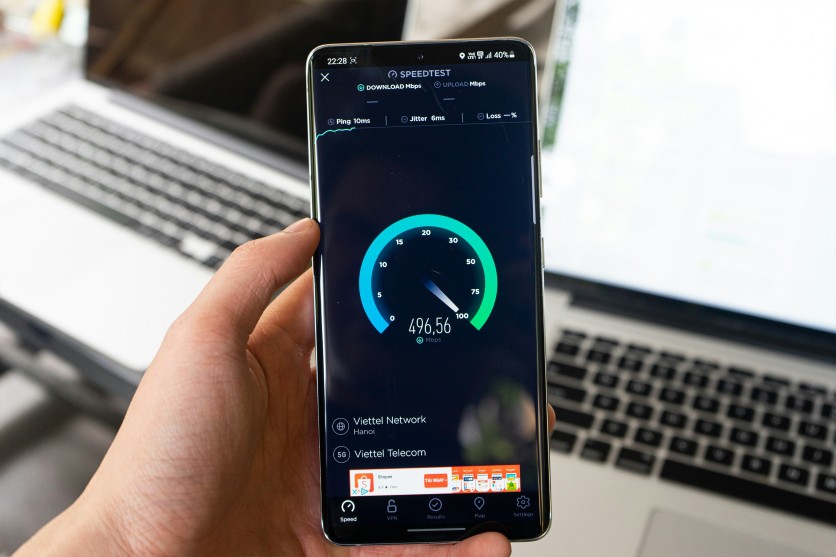
Đức Trịnh/Unsplash
Access to fast, reliable internet remains a major challenge for rural communities, where cable and fiber infrastructure are often unavailable. As a result, satellite vs 5G internet has become the most important rural broadband comparison for households seeking modern connectivity. Both technologies promise coverage beyond city limits, but their real-world performance, cost, and reliability differ significantly. Understanding how these options perform helps rural users choose a solution that supports work, education, entertainment, and communication.
Wireless connectivity is no longer a luxury but a necessity for remote work, telehealth, and digital services. Satellite internet offers near-universal availability, while 5G fixed wireless delivers lower latency and higher consistency where towers exist. This article breaks down speed, coverage, reliability, and costs to clarify which option best fits different rural needs.
Speed and Latency Comparison in Satellite vs 5G Internet
Speed and latency directly affect how usable an internet connection feels in everyday rural settings. Activities such as video calls, streaming, gaming, and cloud-based work depend on consistent download speeds and fast response times. This makes speed and latency the most important technical factors in a rural broadband comparison. When evaluating satellite vs 5G internet, the performance gap becomes especially clear during real-time tasks.
- 5G fixed wireless speeds: Typically deliver 72–245 Mbps, with peak speeds reaching 400 Mbps in strong midband coverage areas.
- 5G latency advantage: Response times usually stay below 50 ms, supporting smooth Zoom calls, online gaming, and remote work tools.
- Satellite latency challenges: Geostationary satellite services often exceed 600 ms round-trip latency, causing delays in VoIP and multiplayer gaming.
- Low-earth orbit limitations: Systems like Starlink reduce latency but still face congestion and weather-related slowdowns.
- Infrastructure scaling: 5G performance improves with tower densification and spectrum upgrades, while satellite bandwidth remains limited during peak hours.
Read more: Starlink Global Coverage Expands as Satellite Improves Internet Speed and Lower Latency
Coverage and Reliability Factors in Rural Broadband Comparison
Coverage determines whether a household can access broadband at all, making it a decisive factor in rural connectivity decisions. Satellite internet stands out for its near-universal reach, serving even the most remote locations. However, reliability and consistency vary widely depending on technology and environmental conditions. Comparing satellite vs 5G internet reveals clear trade-offs between availability and performance stability.
- Satellite coverage reach: Provides internet access to nearly all rural areas, including locations far beyond cellular tower ranges.
- Data throttling risks: Priority data caps can reduce satellite speeds significantly during heavy usage periods.
- 5G coverage range: Fixed wireless typically serves homes within a 10–20 mile radius of a cellular tower.
- Weather resilience: 5G signals are less affected by rain or snow, while satellite signals can lose up to 50% strength in poor weather.
- Installation differences: Satellite requires precise dish alignment, while 5G uses simpler rooftop or window-mounted receivers.
- Adaptability: Signal boosters enhance 5G performance in semi-rural areas, improving reliability without complex installations.
Cost and Data Caps Analysis for Wireless Connectivity
Cost plays a decisive role in choosing between satellite vs 5G internet, especially for budget-conscious rural households. 5G home internet plans typically range from $50 to $80 per month and often include unlimited data. Equipment costs are frequently subsidized, lowering upfront expenses and improving long-term affordability. These pricing structures make 5G an attractive option where service is available.
Rural broadband comparison reveals higher costs and stricter limits for satellite services. Monthly fees often exceed $120, with priority data caps ranging from 100 to 150 GB. Once these limits are reached, speeds may drop to levels unsuitable for streaming or remote work. Over time, these restrictions increase the total cost of ownership for satellite users.
Wireless connectivity economics also favor 5G due to infrastructure efficiency. Tower-based networks scale more easily than satellite constellations, keeping long-term costs lower. Equipment for 5G fixed wireless typically costs less than satellite dishes, and households often break even within two years due to the absence of overage fees. For many rural families, this makes 5G the more sustainable choice.
Conclusion
Satellite vs 5G internet remains a defining rural broadband comparison as communities seek reliable wireless connectivity. Satellite services ensure universal access, while 5G fixed wireless delivers superior speed, latency, and affordability where coverage exists. Each option fills a critical role depending on geography, infrastructure, and user needs. Understanding these differences empowers rural households to make informed connectivity decisions.
As 5G networks expand and towers reach deeper into rural regions, the balance increasingly favors fixed wireless solutions. Satellite technology will continue to evolve, but physical limitations remain. Together, these technologies shape the future of rural internet access, narrowing the digital divide through complementary strengths.
Frequently Asked Questions
1. Is satellite internet still useful for rural areas without cell towers?
Yes, satellite internet remains essential for extremely remote locations where no cellular infrastructure exists. It provides basic connectivity where other options are unavailable. However, users should expect higher latency and possible data caps. It works best for general browsing and email rather than real-time applications.
2. Can 5G fixed wireless replace satellite internet completely?
5G fixed wireless can replace satellites in many rural and semi-rural areas with tower coverage. Its lower latency and higher consistency make it better for work and entertainment. However, it cannot reach every remote location yet. Satellites will continue to serve areas beyond tower range.
3. Does weather affect satellite vs 5G internet differently?
Yes, weather has a greater impact on satellite internet due to signal travel through the atmosphere. Heavy rain, snow, or cloud cover can reduce speeds or cause brief outages. 5G signals are more resilient in most weather conditions. This makes 5G more reliable year-round where available.
4. Which option is better for remote work and video calls?
5G fixed wireless is generally better for remote work due to lower latency and stable speeds. Video calls, VPNs, and cloud tools perform more smoothly on 5G connections. Satellites can handle basic conferencing but may struggle with delays. For productivity, 5G is the stronger choice.
Read more: Satellite Internet AI Meets Edge Computing Connectivity: Powering Future Remote Computing Workflows

-
 C114 Communication Network
 -
 Communication Home
