
 Search

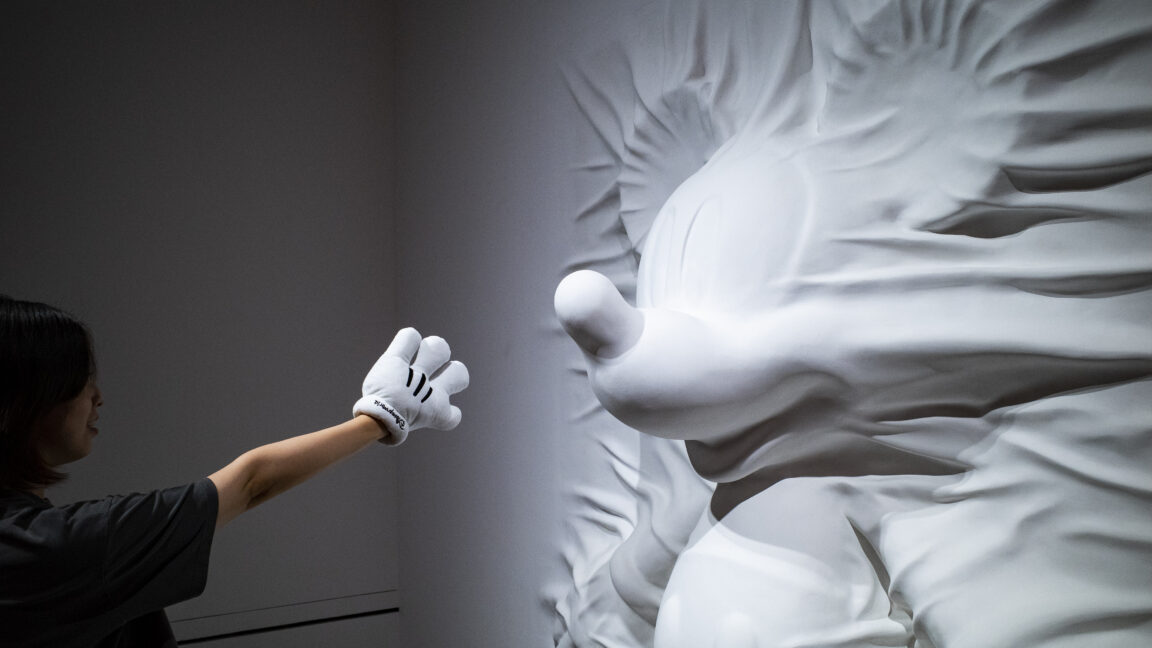
Credit: China News Service via Getty Images
On Thursday, The Walt Disney Company announced a $1 billion investment in OpenAI and a three-year licensing agreement that will allow users of OpenAI’s Sora video generator to create short clips featuring more than 200 Disney, Marvel, Pixar, and Star Wars characters. It’s the first major content licensing partnership between a Hollywood studio related to the most recent version of OpenAI’s AI video platform, which drew criticism from some parts of the entertainment industry when it launched in late September.
“Technological innovation has continually shaped the evolution of entertainment, bringing with it new ways to create and share great stories with the world,” said Disney CEO Robert A. Iger in the announcement. “The rapid advancement of artificial intelligence marks an important moment for our industry, and through this collaboration with OpenAI we will thoughtfully and responsibly extend the reach of our storytelling through generative AI, while respecting and protecting creators and their works.”
The deal creates interesting bedfellows between a company that basically defined modern US copyright policy through congressional lobbying back in the 1990s and one that has argued in a submission to the UK House of Lords that useful AI models cannot be created without copyrighted material.
Tech companies that build AI models traditionally gather those materials without rightsholder permission due to the sheer number of examples needed to train a reasonably useful generative AI model. However, since breaking out with the mainstream success of ChatGPT and becoming flush with investment cash (and facing some gnarly lawsuits), OpenAI in particular has taken steps to license content from IP owners after the fact.
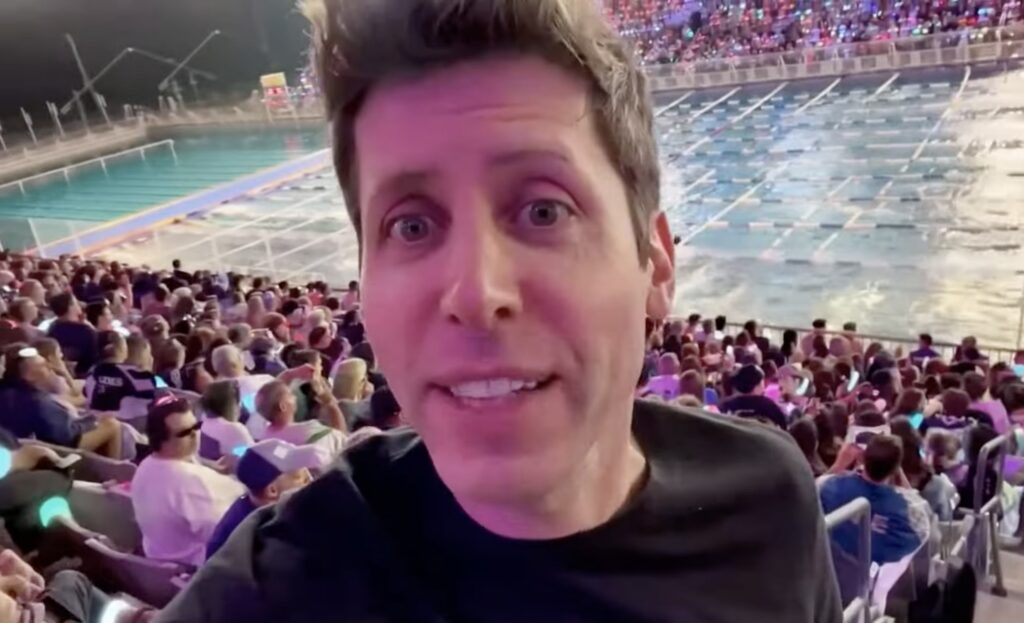
An AI-generated version of OpenAI CEO Sam Altman seen in a still capture from a video generated by Sora 2.
Credit: OpenAI
Under the new agreement with Disney, Sora users will be able to generate short videos using characters such as Mickey Mouse, Darth Vader, Iron Man, Simba, and characters from franchises including Frozen, Inside Out, Toy Story, and The Mandalorian, along with costumes, props, vehicles, and environments.
The ChatGPT image generator will also gain official access to the same intellectual property, although that information was trained into these AI models long ago. What’s changing is that OpenAI will allow Disney-related content generated by its AI models to officially pass through its content moderation filters and reach the user, sanctioned by Disney.
On Disney’s end of the deal, the company plans to deploy ChatGPT for its employees and use OpenAI’s technology to build new features for Disney+. A curated selection of fan-made Sora videos will stream on the Disney+ platform starting in early 2026.
The agreement does not include any talent likenesses or voices. Disney and OpenAI said they have committed to “maintaining robust controls to prevent the generation of illegal or harmful content” and to “respect the rights of individuals to appropriately control the use of their voice and likeness.”
OpenAI CEO Sam Altman called the deal a model for collaboration between AI companies and studios. “This agreement shows how AI companies and creative leaders can work together responsibly to promote innovation that benefits society, respect the importance of creativity, and help works reach vast new audiences,” Altman said.
From adversary to partner
Money opens all kinds of doors, and the new partnership represents a dramatic reversal in Disney’s approach to OpenAI from just a few months ago. At that time, Disney and other major studios refused to participate in Sora 2 following its launch on September 30.
OpenAI’s initial policy allowed copyrighted characters to appear in user-generated videos unless rights holders explicitly opted out. The LA Times reported that OpenAI had contacted talent agencies and studios before the launch, telling them that IP holders “would have to explicitly ask OpenAI not to include their copyright material in videos the tool creates.”
Hollywood’s response to Sora 2 was swift and generally negative. According to CNBC, the Creative Artists Agency called it a “significant risk” to its clients, while United Talent Agency labeled it “exploitation, not innovation.” The WME talent agency sent a memo to agents notifying OpenAI that all of the agency’s clients were opted out of Sora. The Motion Picture Association also demanded “immediate and decisive action” from OpenAI.
OpenAI CEO Sam Altman reversed course within days of the reaction, promising to give rights holders “more granular control” and floating a potential revenue-sharing model. The company also partnered with actor Bryan Cranston and SAG-AFTRA in October to implement new safety guardrails around likeness rights.
Credit: OpenAI
While Disney and OpenAI are apparently friends now, the company has simultaneously taken an aggressive stance against some AI companies it has not partnered with.
On Wednesday, Disney sent a cease-and-desist letter to Google, accusing the company of “infringing Disney’s copyrights on a massive scale” through its AI services, including YouTube. Disney has also sent similar letters to Meta and Character.AI and filed lawsuits against image-synthesis service Midjourney alongside NBCUniversal and Warner Bros. Discovery.
A few major questions about the deal remain unanswered, including the actual licensing fees, whether Disney content will be used to train future OpenAI models, and whether this deal is even finalized. The announcement also notes it remains “subject to negotiation of definitive agreements,” so expect potential updates or clarifications ahead.

-
 C114 Communication Network
 -
 Communication Home
