
 Search


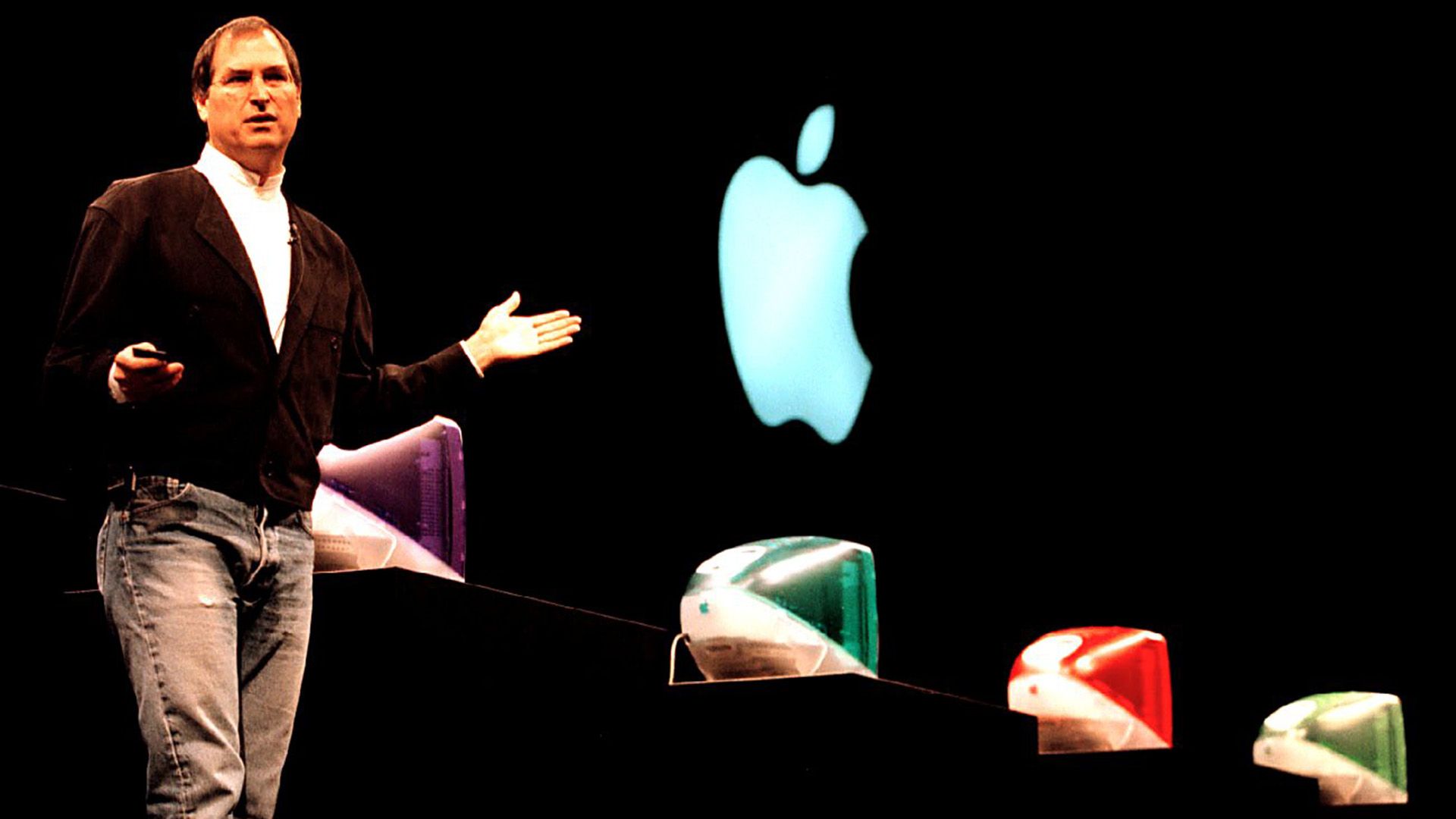
(Image credit: Getty Images /MediaNews Group/Bay Area News via Getty Images)
In 1996, Apple was a very different company from what it is today. It had recently appointed a new CEO, Gil Amelio, but it was struggling with a falling stock price and had to cut costs significantly.
Its Newton PDA, though initially considered innovative, was being beaten by the newer Palm Pilot, and the biggest hope was the acquisition of a company called NeXT, owned by Steve Jobs. Jobs returned to the role of CEO in 1997 and set the trajectory of Apple to the trillion-dollar company it is today.
Along that journey were some pivotal product launches, from the original iMac to the launch of the iPhone, iPad, iTunes and ultimately the iPhone Duo. This is a look back at those products that changed the landscape – and a few that didn’t.
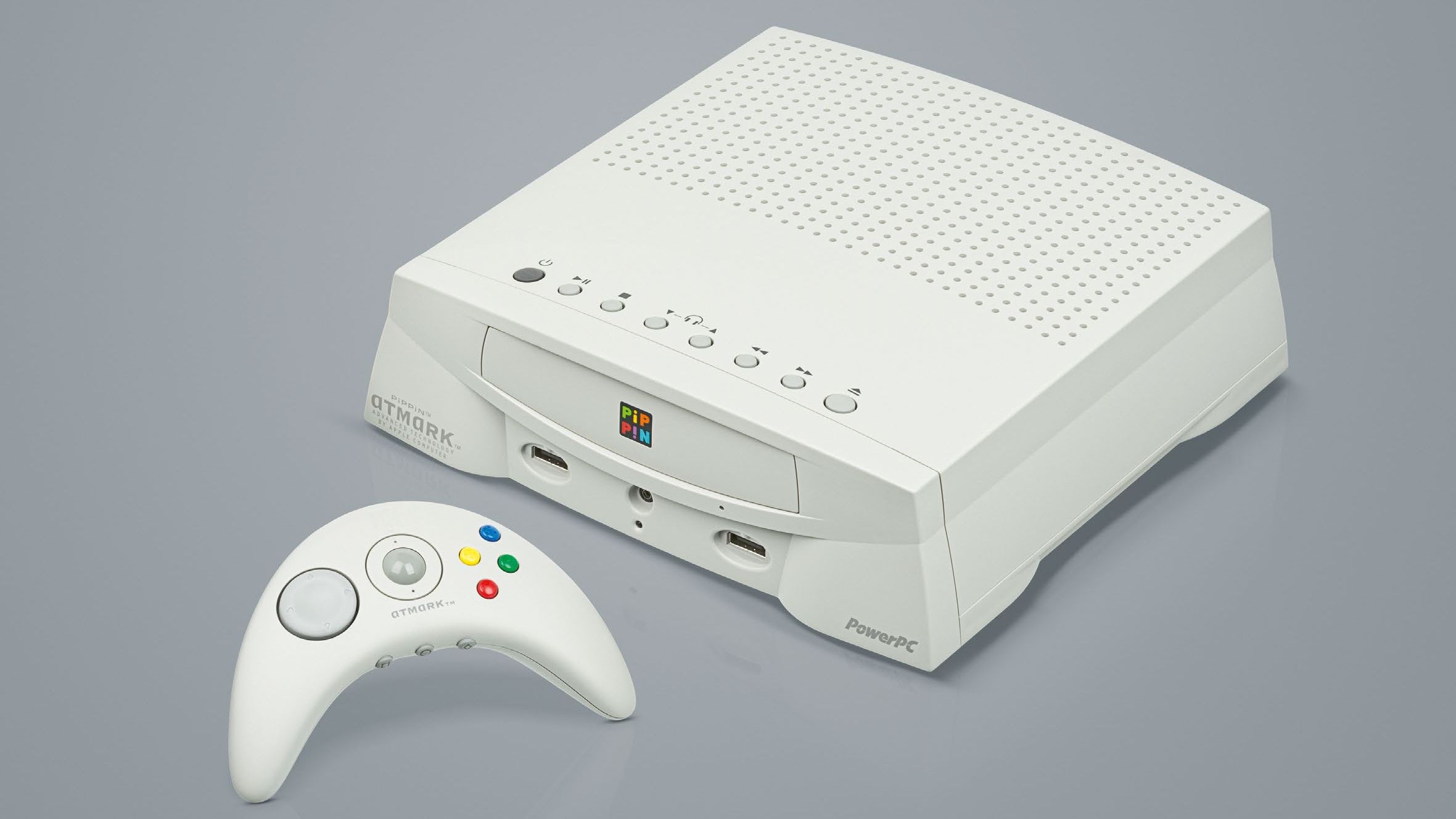
1996: Apple Pippin
In another world, we could all be looking forward to playing GTA VI on our Apple Pippin devices, but that wasn’t to be. The Pippin platform was developed by Apple, but the first device was made by Bandai. The idea was that various manufacturers could create Pippin consoles, which were designed not just to play games but also to act as a set-top box.
Ultimately, it struggled to match up to the likes of the Sega Saturn and the new PlayStation at the time and was then completely killed by Steve Jobs on his return to Apple, when he stopped all licenced Apple products.
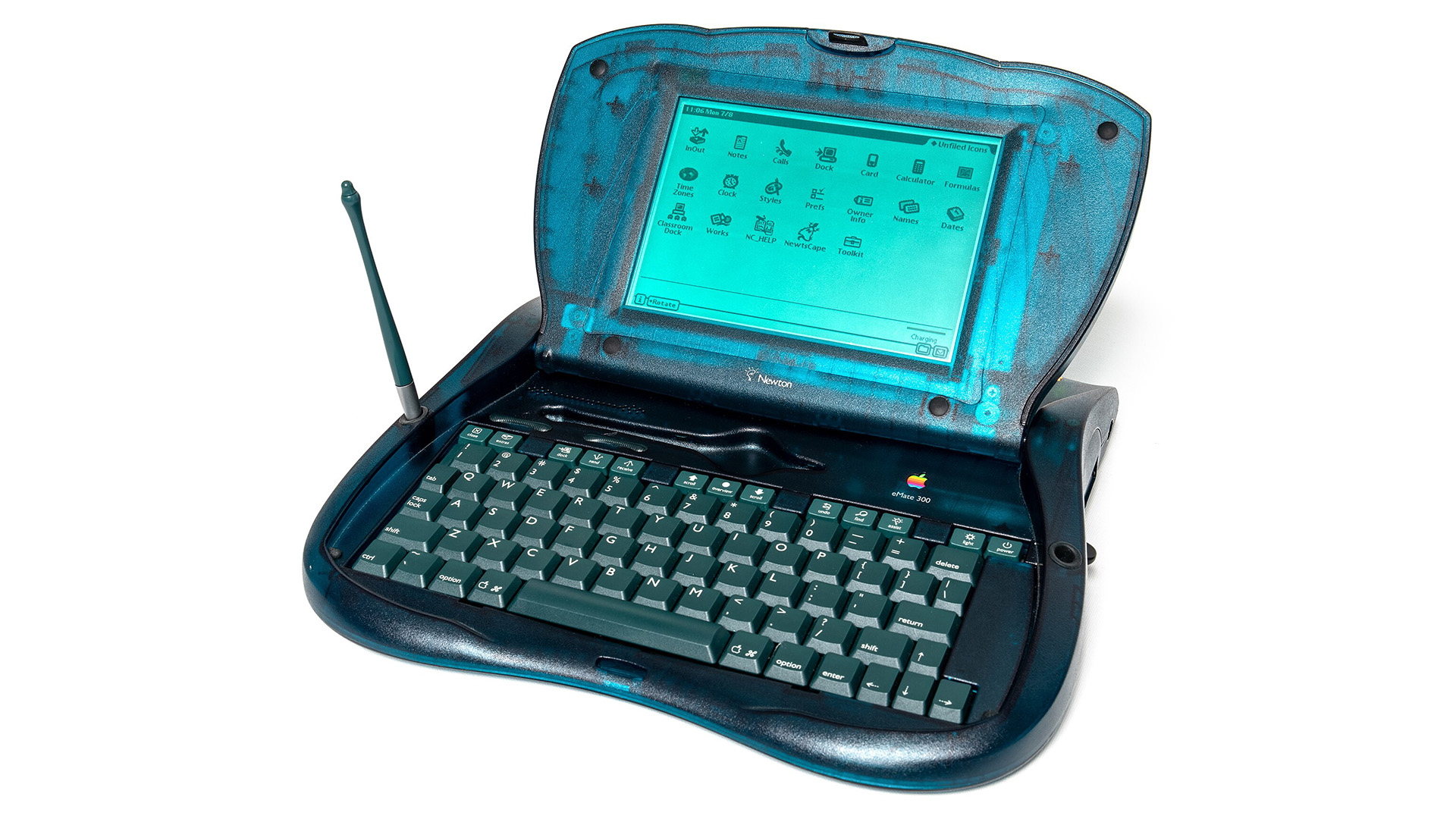
1997: Newton eMate 300
Where the Newton can be seen as an early incarnation of the iPad, the eMate is clearly a precursor to the MacBook. Designed by a young Jony Ive, it combined a larger 6.8-inch Newton display with a built-in keyboard in a clamshell design that bears a striking resemblance to the first iBook, which launched in 1999.
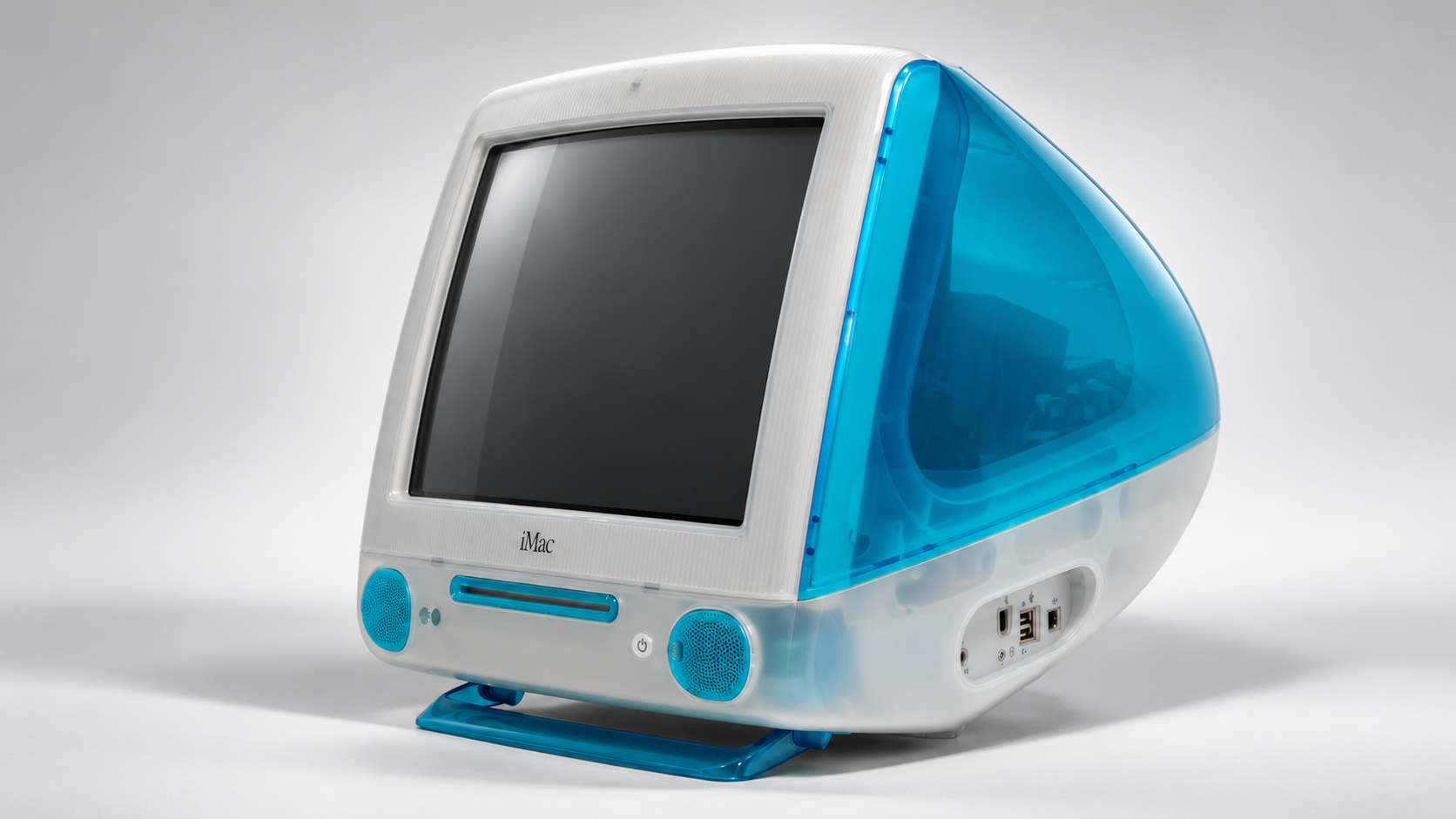
1998: iMac G3
Possibly the most iconic computer that Apple has ever made, the iMac G3 was an all-in-one machine, combining a CRT display, speakers and a CD-ROM drive within the computer. The first version featured a PowerPC G3 processor with a 4 GB hard drive, 32MB RAM and ran Mac OS 8.1.
1999: iBook G3
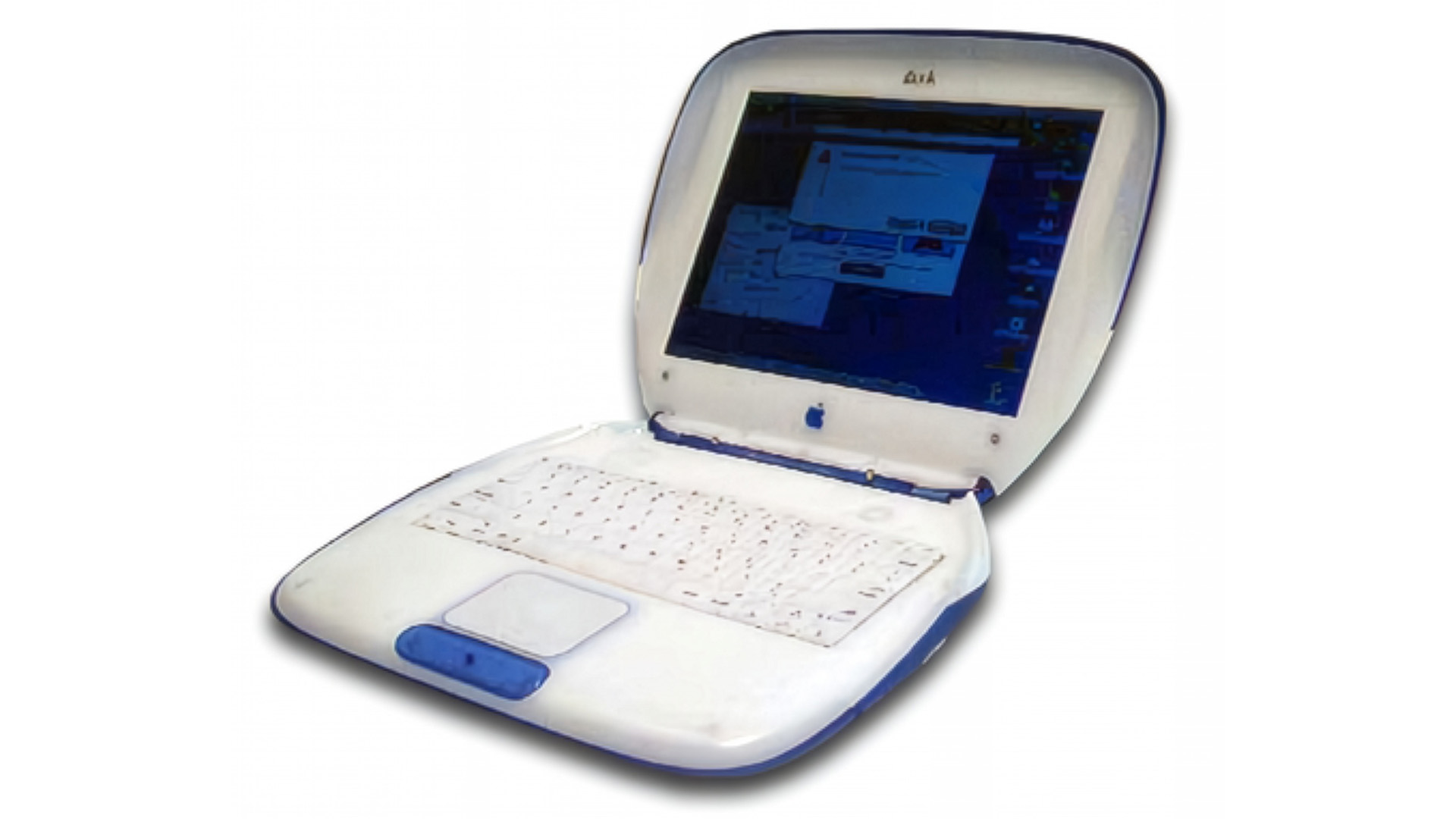
Following the success of the iMac, the iBook followed a similar design language, thanks to Ive. The clamshell design initially came in Blueberry or Tangerine colours, but later added Indigo, Graphite and Key Lime variations. This was also the first consumer machine to offer WiFi connectivity.
2000: Power Mac G4 Cube
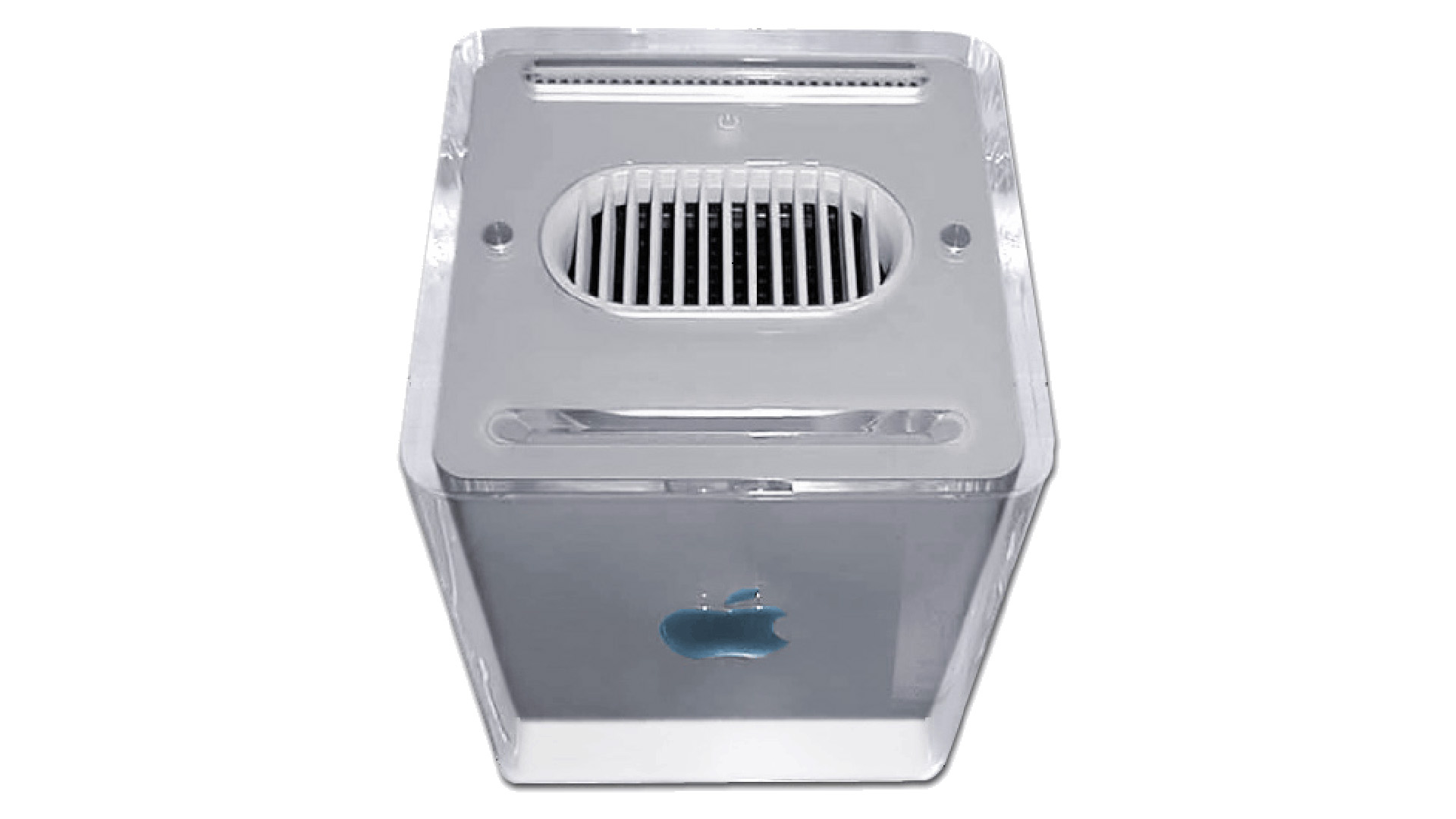
Arguably Apple’s golden age of design, the G4 Cube was like a deconstructed iMac. The main computer was housed in an elaborate 8-inch crystal-clear polycarbonate acrylic enclosure. The housing lifted the main machine off the desk to give the impression of it floating.
It paired with Apple’s new Cinema display, which had a similar design and circular Apple speakers. It was the computer for a new millennium, but unfortunately, due to its high price and lack of expandability, it never quite took off. It’s still gorgeous, though.
2001: iPod 1st Gen
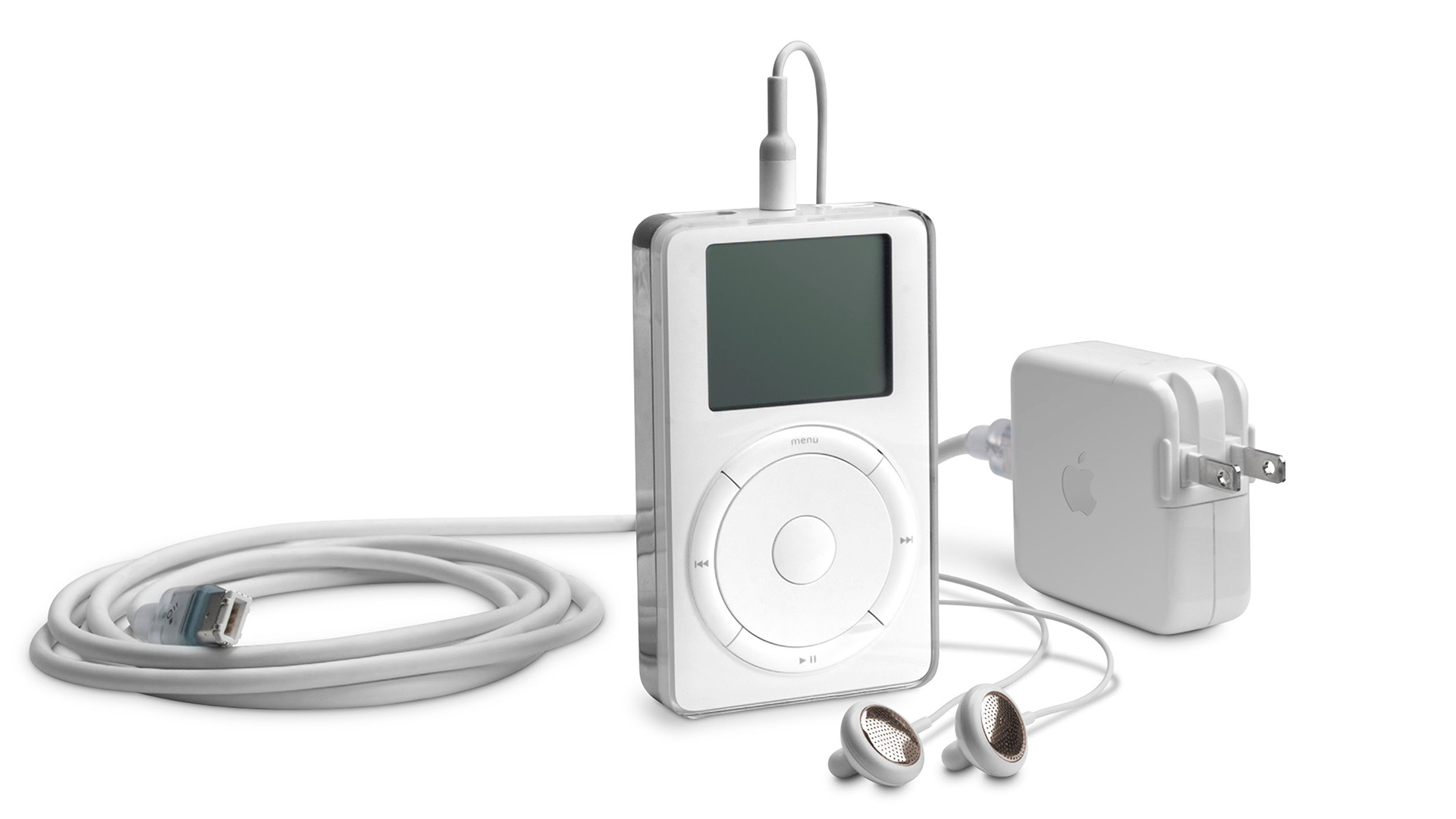
If ever there was a device that changed the world, it was the iPod. Pitched as 1,000 songs in your pocket, this was more than Apple’s answer to the MP3 player. It changed the music industry and, with the help of the new iTunes service, selling songs for 99p/99c each, rewrote the rulebook.
2002: iMac G4
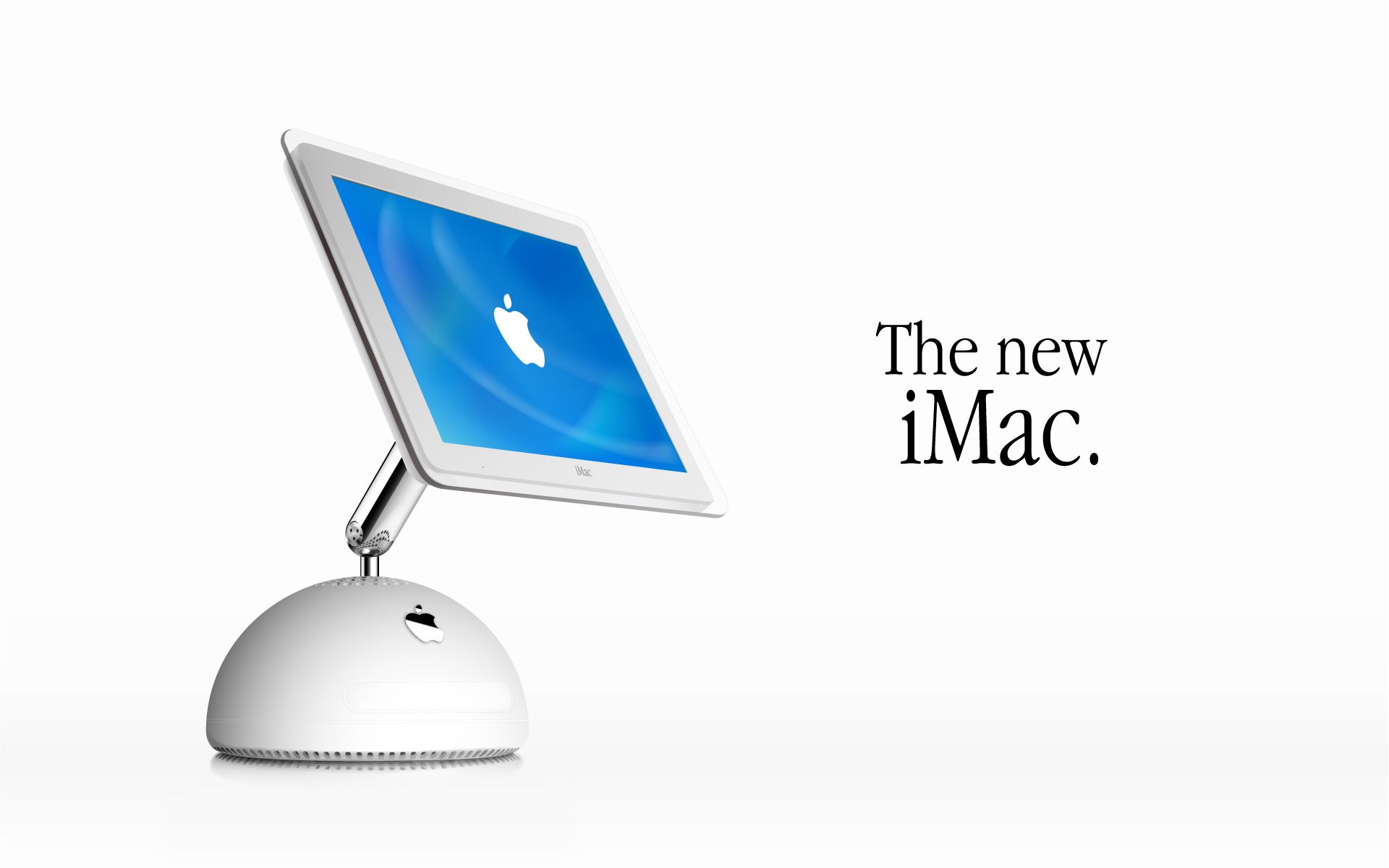
Another incredible piece of design by Jony Ive’s team, the iMac G4 was nicknamed iLamp for its resemblance to Pixar’s Anglepoise lamp. Initially, it came with a 15-inch display, but larger 17-inch and 20-inch displays were added later.
There was a brief hope that the design would be resurrected for Apple’s HomeView device, as it looks a bit like an iPad screen on top of a HomePod, particularly with the smaller screen.
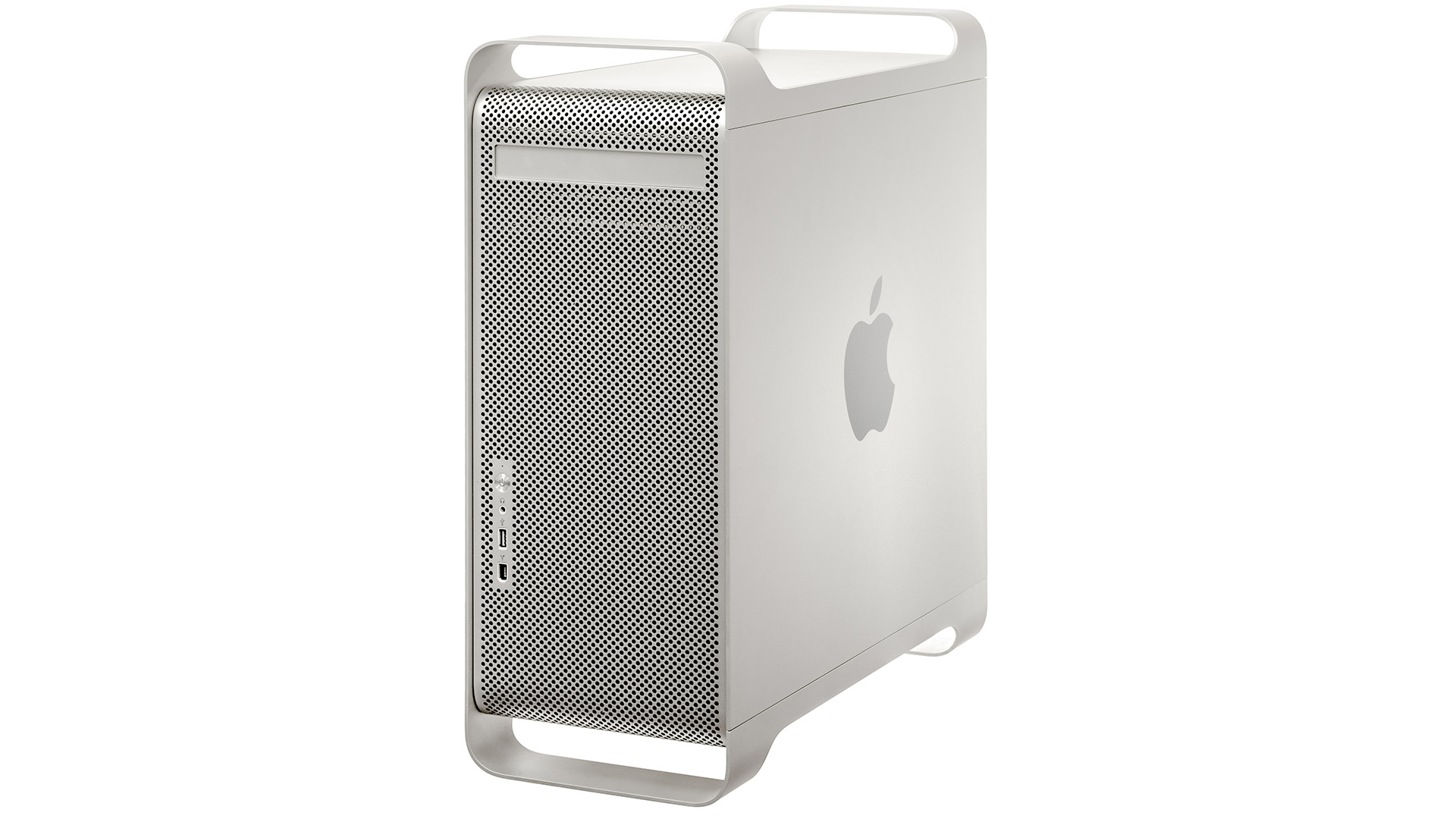
2003: Power Mac G5
A solid piece of industrial design, the G5 packed a lot of power for its time. It originally offered up to a 2GHz dual-core processor, a 160 GB hard drive and memory expandable to 8GB (later models went to 16GB).
This was the last Mac before Apple moved to Intel chips and was ultimately replaced by the Mac Pro. Back as a graphic design student, this was the machine you dreamed of.
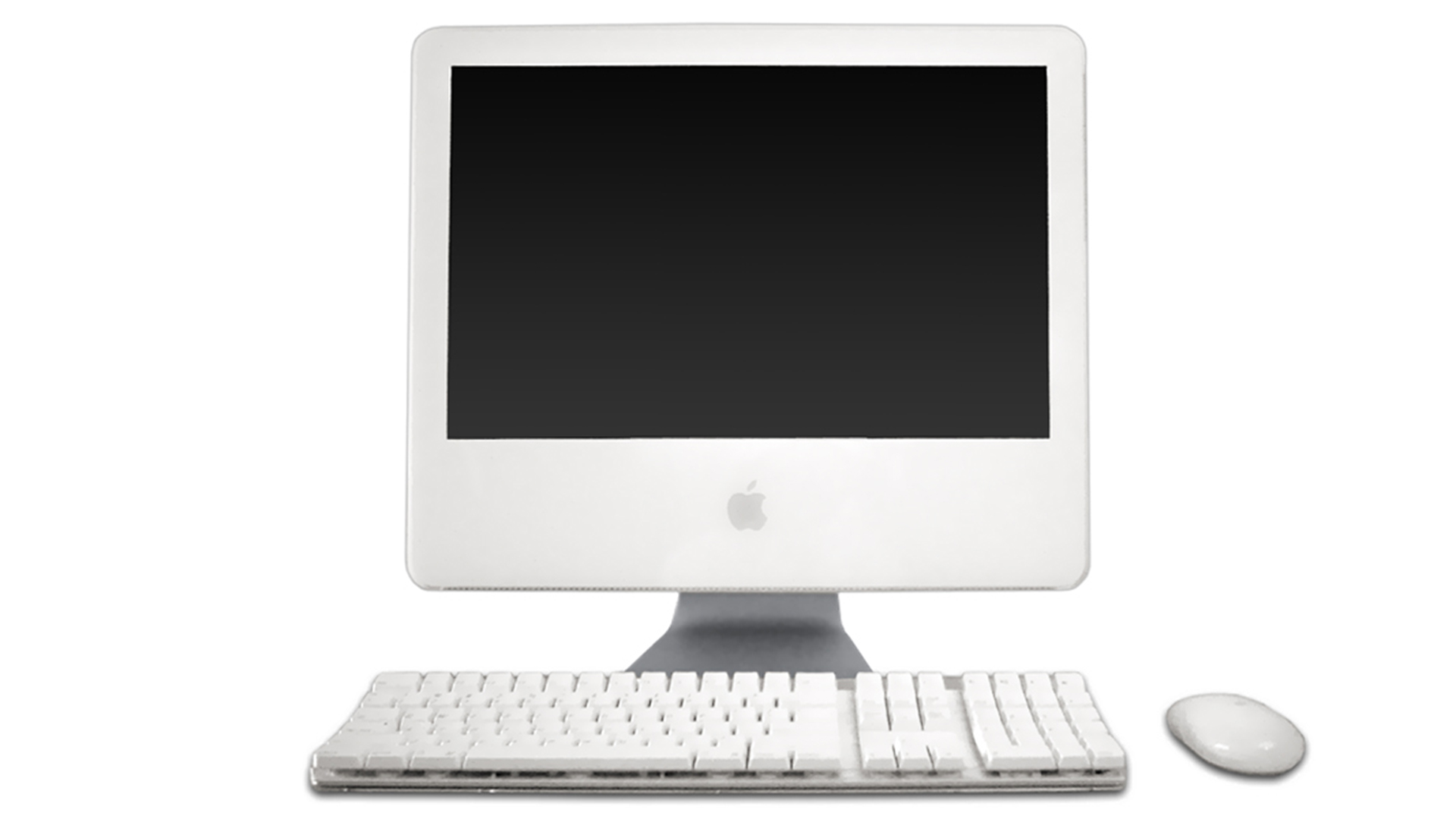
2004: iMac G5
This third major reincarnation of the iMac brings us close to the format that is still largely the same as it is today. The computer part is built into a flat-screen display, providing perhaps the cleanest desk experience to date, especially with a wireless keyboard and mouse. Two years later, it too upgraded to Intel chips, but this model still ran on the PowerPC G5 chips.
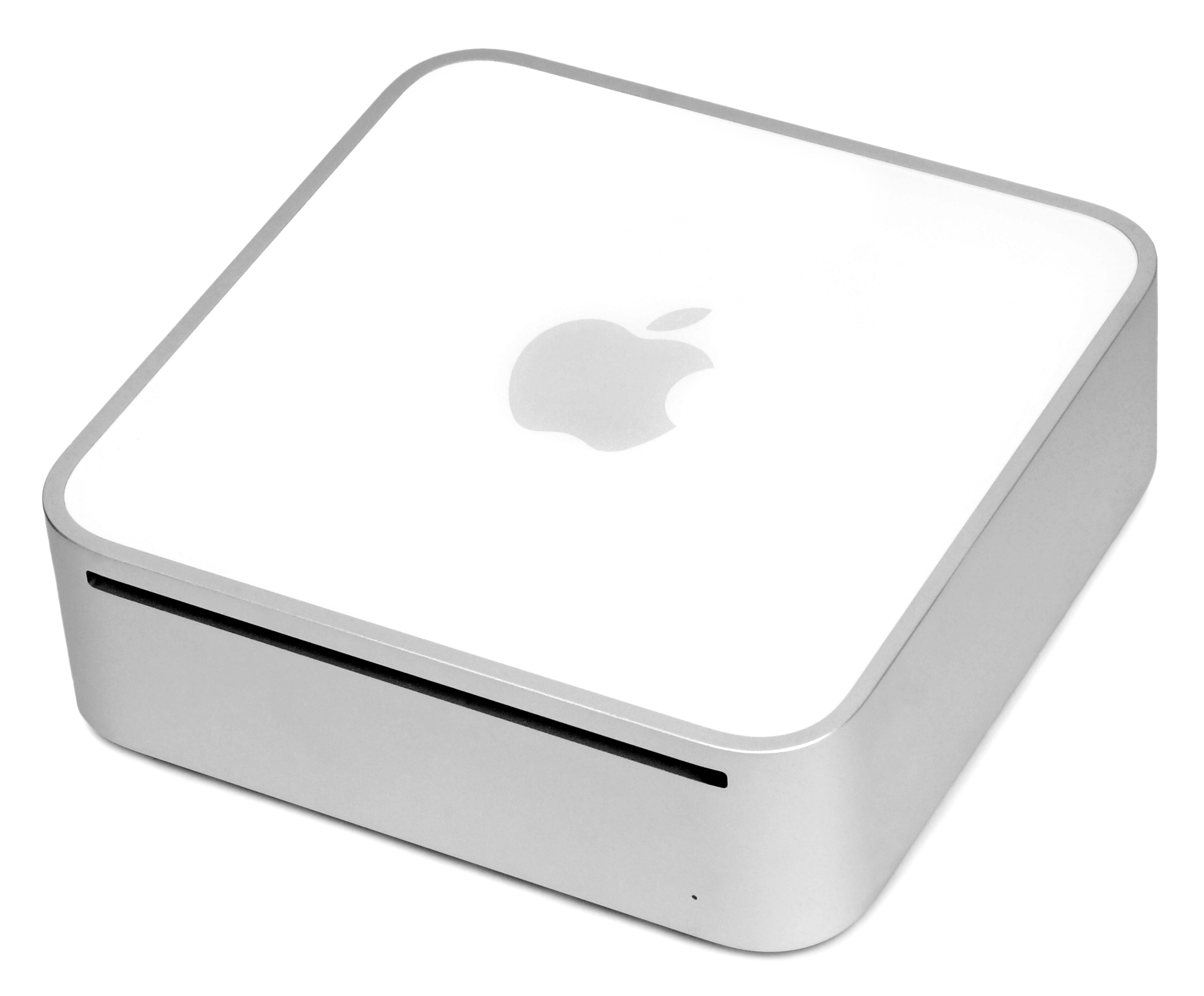
2005: Mac mini
The Mac mini was marketed as a truly affordable computer with the aim of tempting Windows users over to a Mac. It was sold as just the box itself with the slogan BYODKM (Bring Your Own Display, Keyboard and Mouse).
The second edition in 2006 switched to the new Intel chips and added an HDMI port, allowing you to plug it into your TV. Ahead of the Apple TV, it provided an easy way to watch movies and play music.
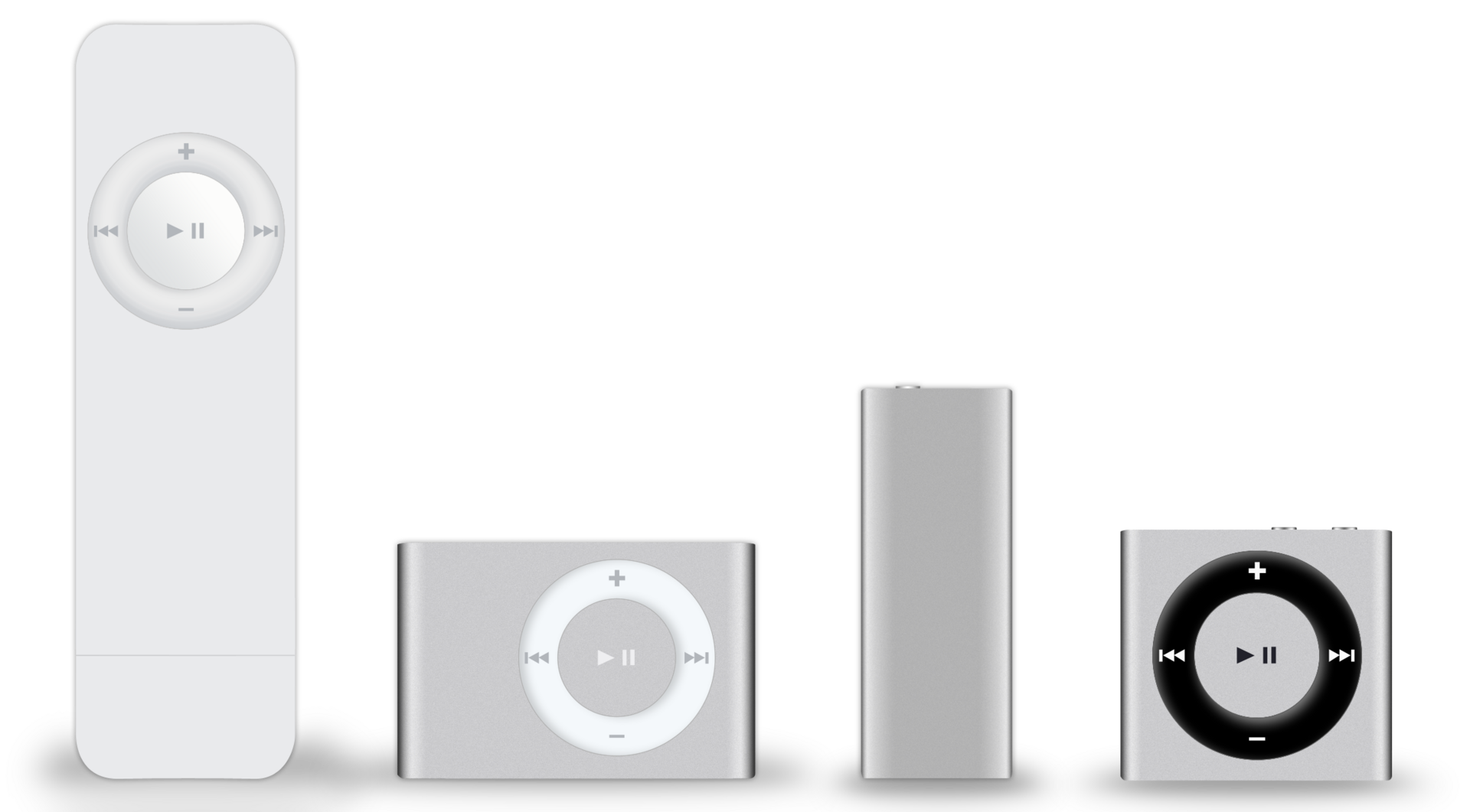
2005: iPod shuffle
The iPod Shuffle showed just how small a music player could be. It was Apple’s first flash memory-based player and the first without a screen. It would connect to your iTunes library and download a selection of songs for you. Alternatively, you could create a playlist to update from or pick manually.
The second edition, which came a year later, featured a clip so you could attach it to your clothing. It was the perfect music device for the gym or for anyone active, as it barely added any weight to a set of earphones.
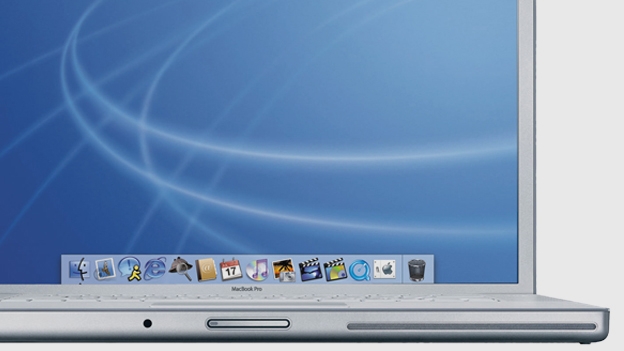
2006: MacBook Pro
The MacBook Pro was first released in February 2006 as a replacement for the PowerBook G4. It marked the beginning of the Intel chip generation and remains one of Apple’s biggest products.
It was followed later that year by the MacBook, which replaced the iBook as the more affordable option. The MacBook Pro has always been the choice of creatives, and the fact that the basic formula has hardly changed in 20 years just goes to show how good it is.
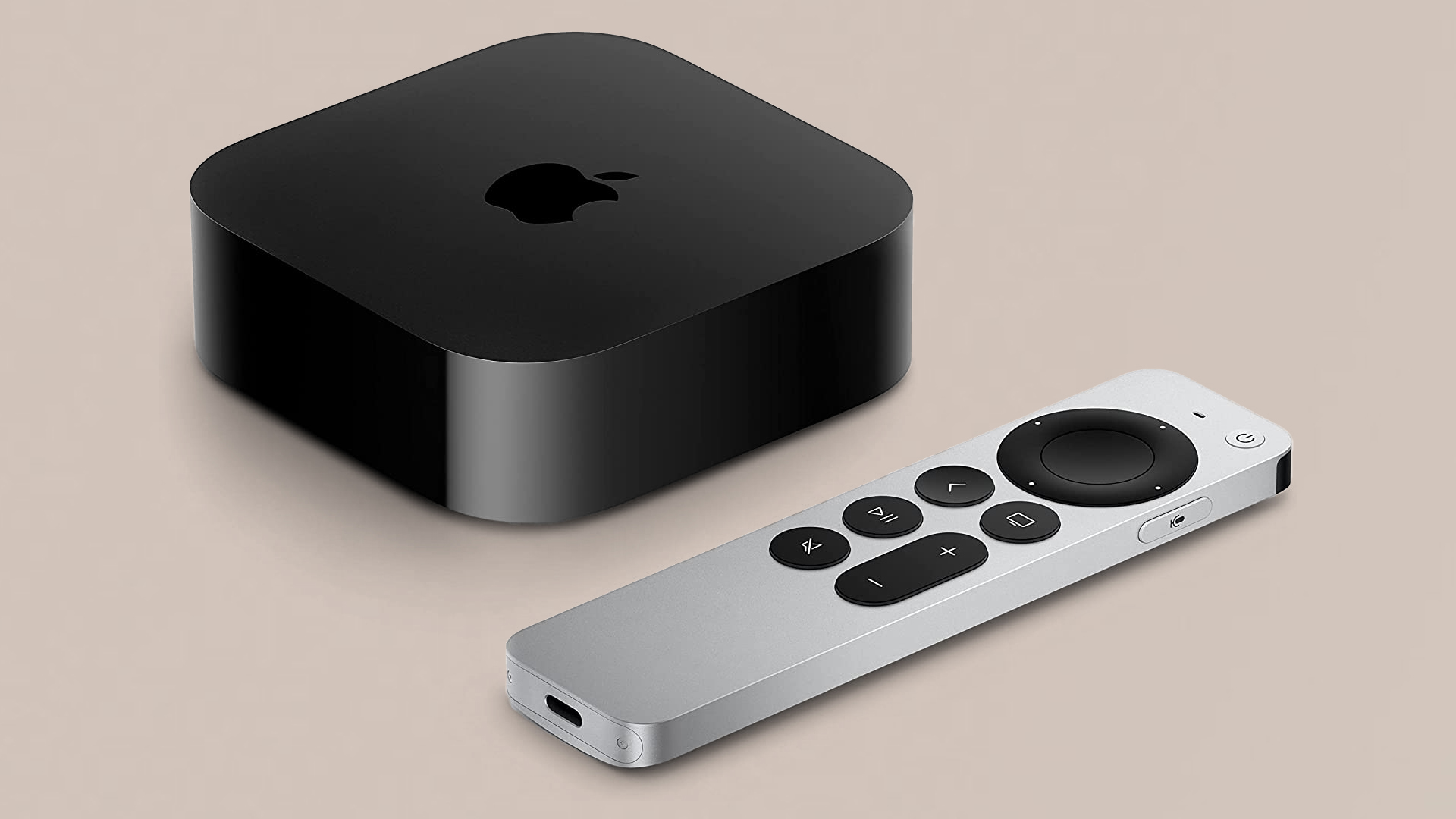
2007: Apple TV
The Apple TV (or originally iTV) was designed to allow users to watch content from iTunes on their TVs. People were already doing this with the Mac mini, so it made sense.
However, it soon became much more. As TVOS developed, the Apple TV and then the Apple TV 4K became a home hub, a gaming machine and a streaming box – perhaps closer to the original idea of a network computer.
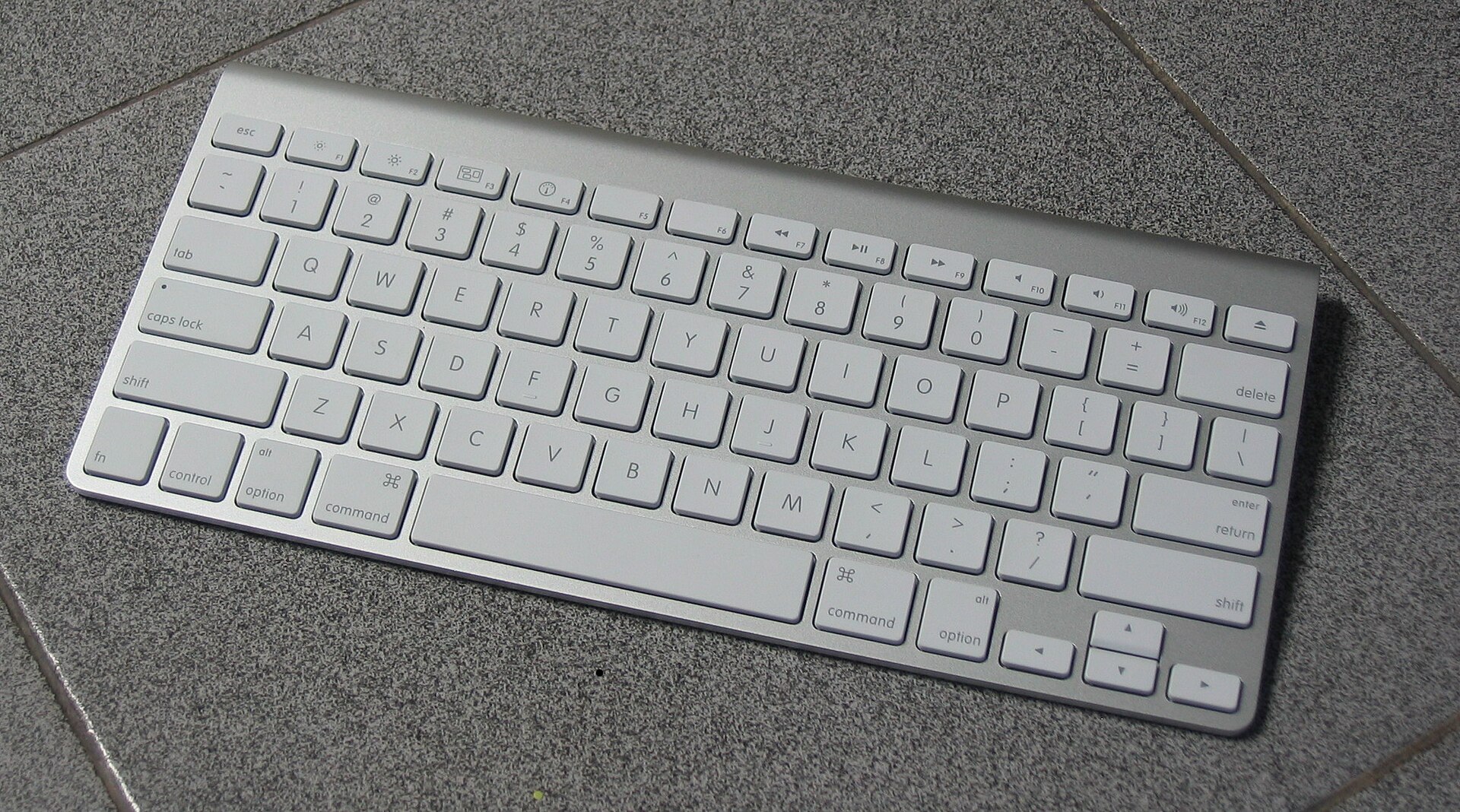
2007: Apple Wireless Keyboard (2nd generation)
Though the first generation of wireless Apple keyboards came in 2003, it wasn’t until the second generation, three years later, that it developed into something closer to what we still use today. This was a low-profile keyboard like the keys on a laptop, with an aluminium enclosure and function keys for media control. The Magic Keyboard we know and love didn’t come until 2015, but this was its beginning.
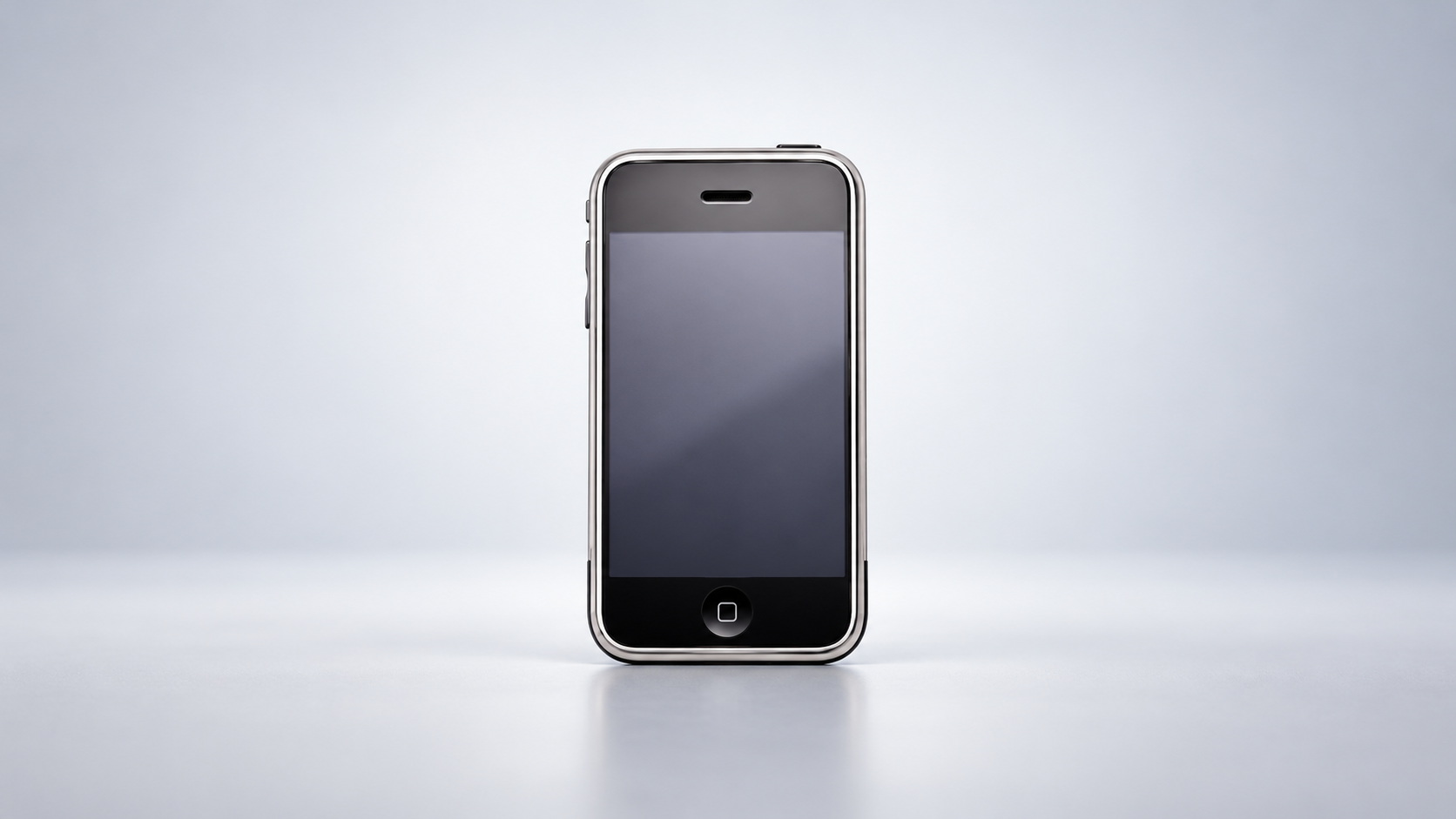
2007: iPhone
Rumours of an Apple phone had been swirling for a while, but when Steve Jobs unveiled the iPhone at Macworld in 2007, it was electrifying. “Today we’re launching three revolutionary products,” said Jobs.
A widescreen iPod with touch controls, a revolutionary mobile phone, and a breakthrough internet communications device. Not three separate devices, one device, called the iPhone. It wasn’t until the second generation, the iPhone 3G, that it really took off, but since then we’ve seen it grow and grow.
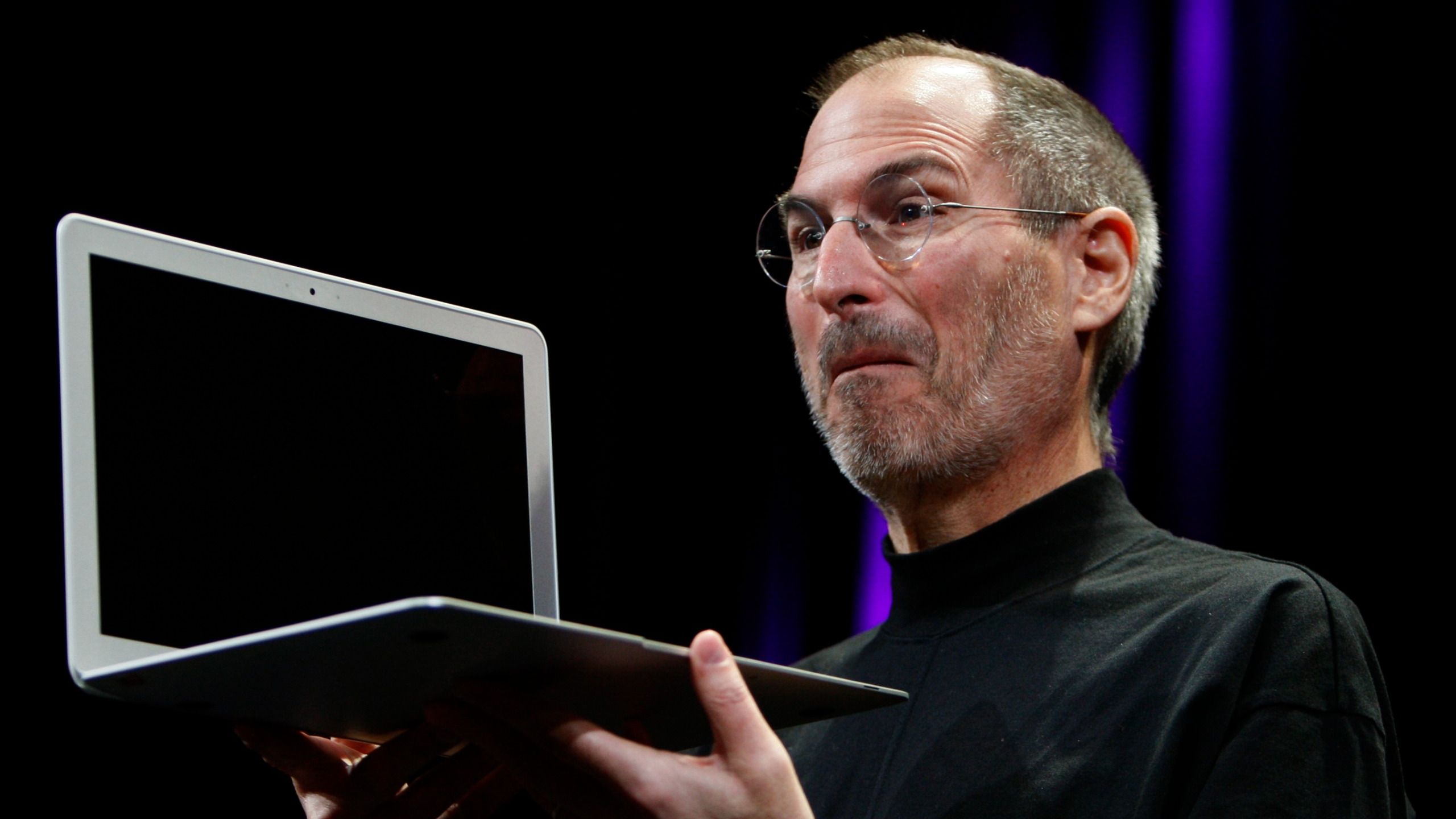
2008: MacBook Air
The world’s thinnest notebook was theatrically removed from a manila envelope by Steve Jobs at Macworld in 2008. The MacBook Air featured a 13.3-inch display, a full-size keyboard and yet was just 19mm thick.
It achieved this by not having an Ethernet port, FireWire, line-in, or optical drive built in – instead, users could buy an external drive or adapters if needed. While this is now the norm, it felt extreme at the time. Initially powered by Intel chips, it moved to Apple silicon in 2020 and remains an extremely popular model to this day.
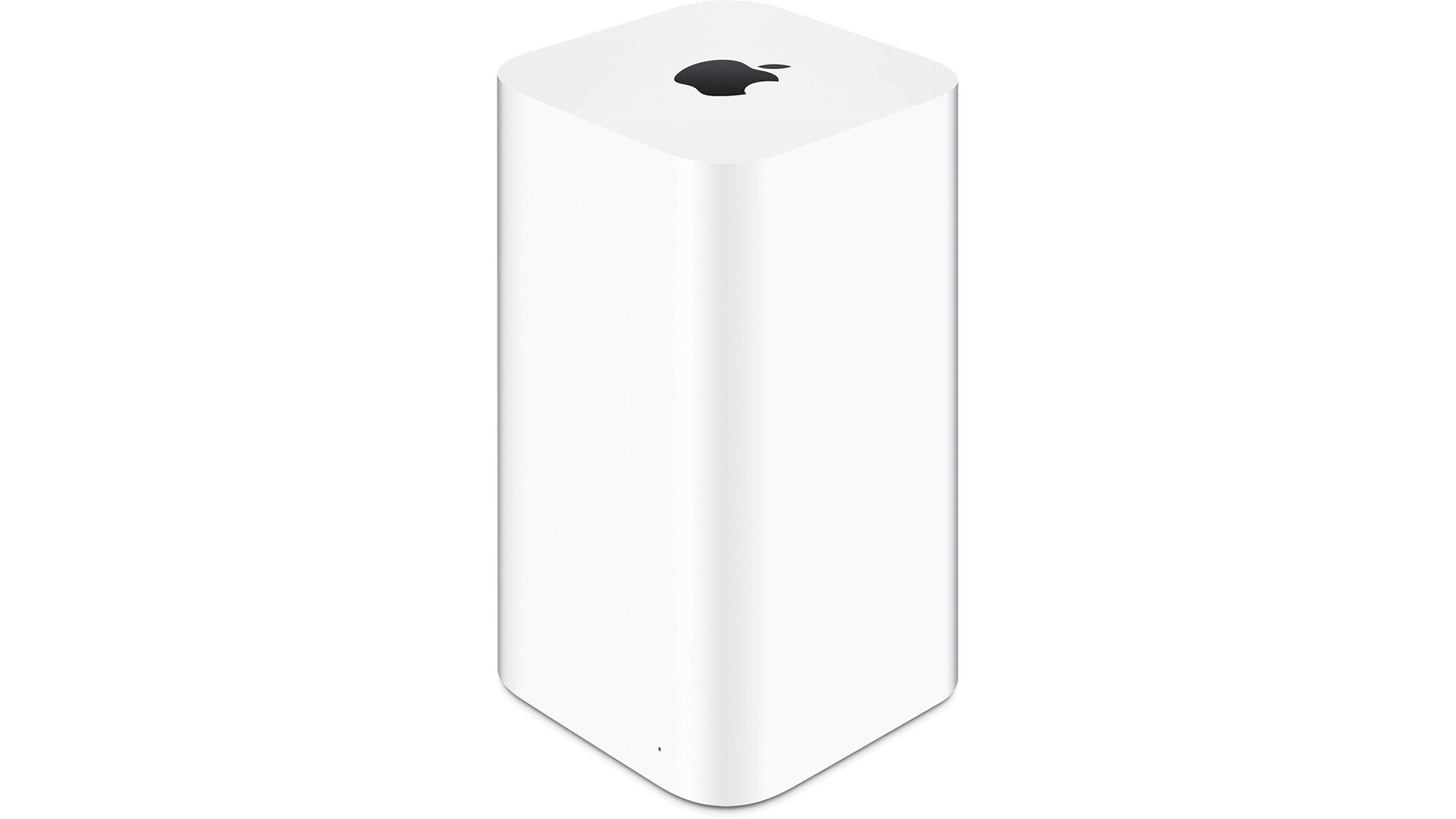
2008: AirPort Time Capsule
AirPort was the name of Apple’s wireless connectivity and the first base stations in 1999. However, it was the introduction of the Time Capsule devices that was really clever.
These AirPort Time Capsules combined a router with a networked storage device, providing easy backup for your device or a shared storage space.
Later versions grew from an Apple TV size up to something akin to a modern mesh router node and offered 1TB capacity. However, as cloud storage improved, the demand for these spinning-drive devices faltered, and the whole line was discontinued in 2018.
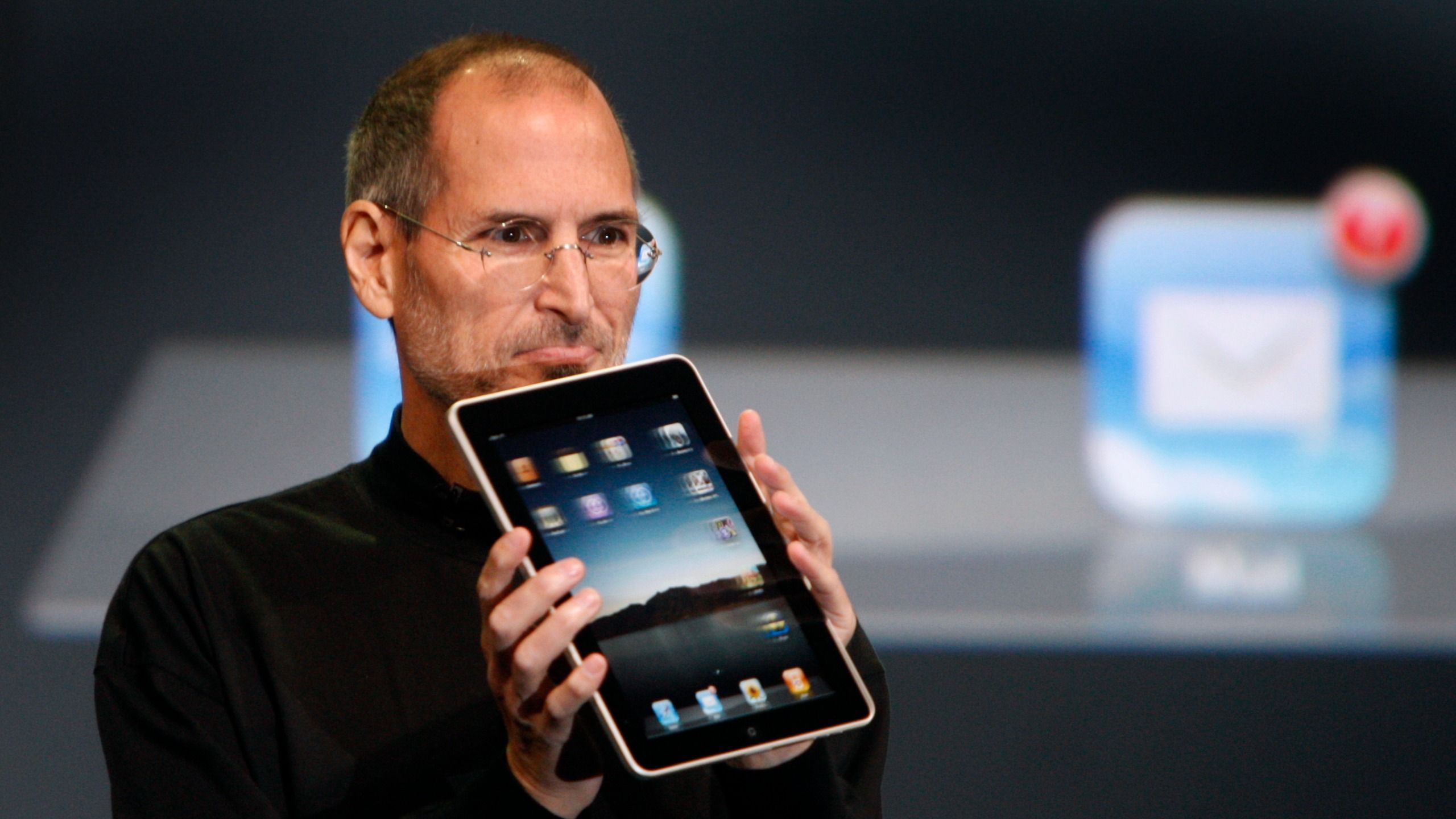
2010: iPad
In some ways, the iPad is a natural progression from the Newton, which was discontinued more than 10 years earlier. Now, with the technology from the iPhone and modern Macs, a new product was born, with its own unique operating system. Though it initially shared more with the iPhone than it did with the Mac, the iPad offered a new way to browse websites, play games and watch movies. When I bought my first iPad, I wasn’t quite sure why I needed one, but I knew I wanted it.
2011: Siri
Siri wasn’t originally an Apple product. It was acquired and then integrated into iOS 5 to coincide with the launch of the iPhone 4S. The early incarnations offered strong voice recognition but failed to wow with its knowledge base or ability to understand broader accents.
It wasn’t until 2024, when Apple added a large language model to Siri, that it really caught up with its competitors. Today, Siri AI is much more responsive and able to provide genuinely helpful assistance through its deep integration in iOS 26 and contextual awareness.
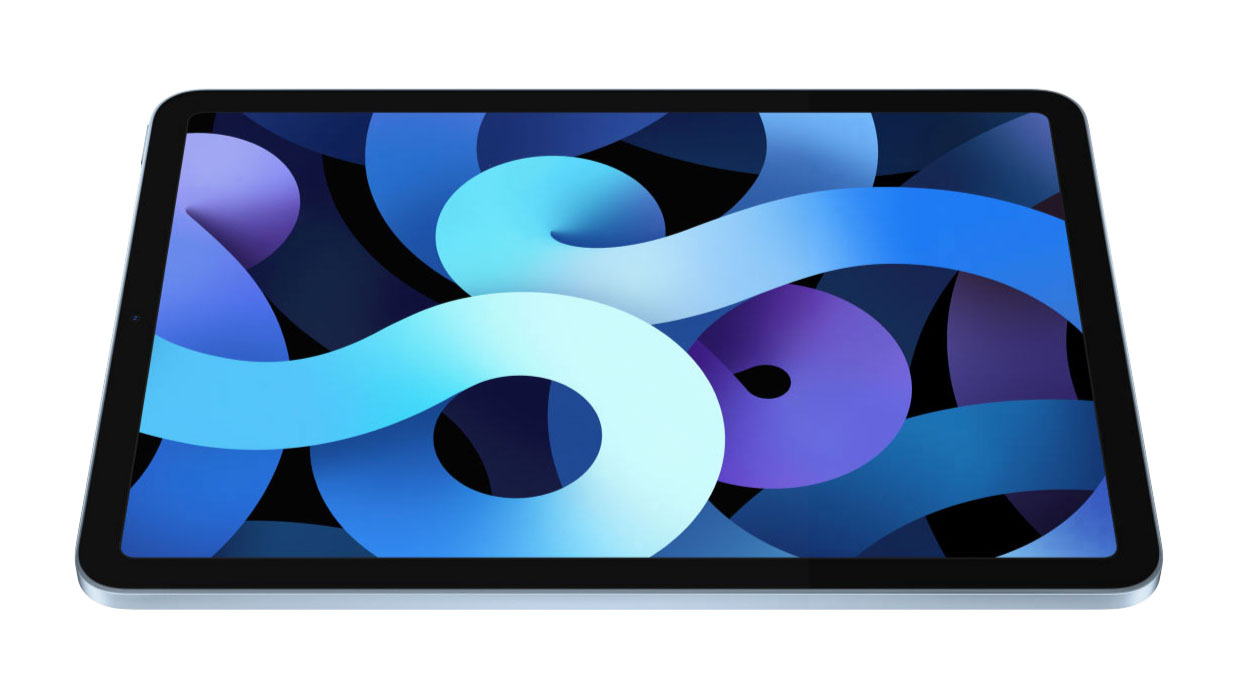
2013: iPad Air
With the iPad Air, Apple thinned down the then-current iPad to just 7.5mm thick and reduced the weight by 28% to just one pound (454g). Despite this, it still featured a 9.7-inch Retina screen, thanks to thinner bezels. It introduced the next-generation FaceTime HD camera on the front and a 5MP iSight camera on the back. This was launched alongside the iPad mini.
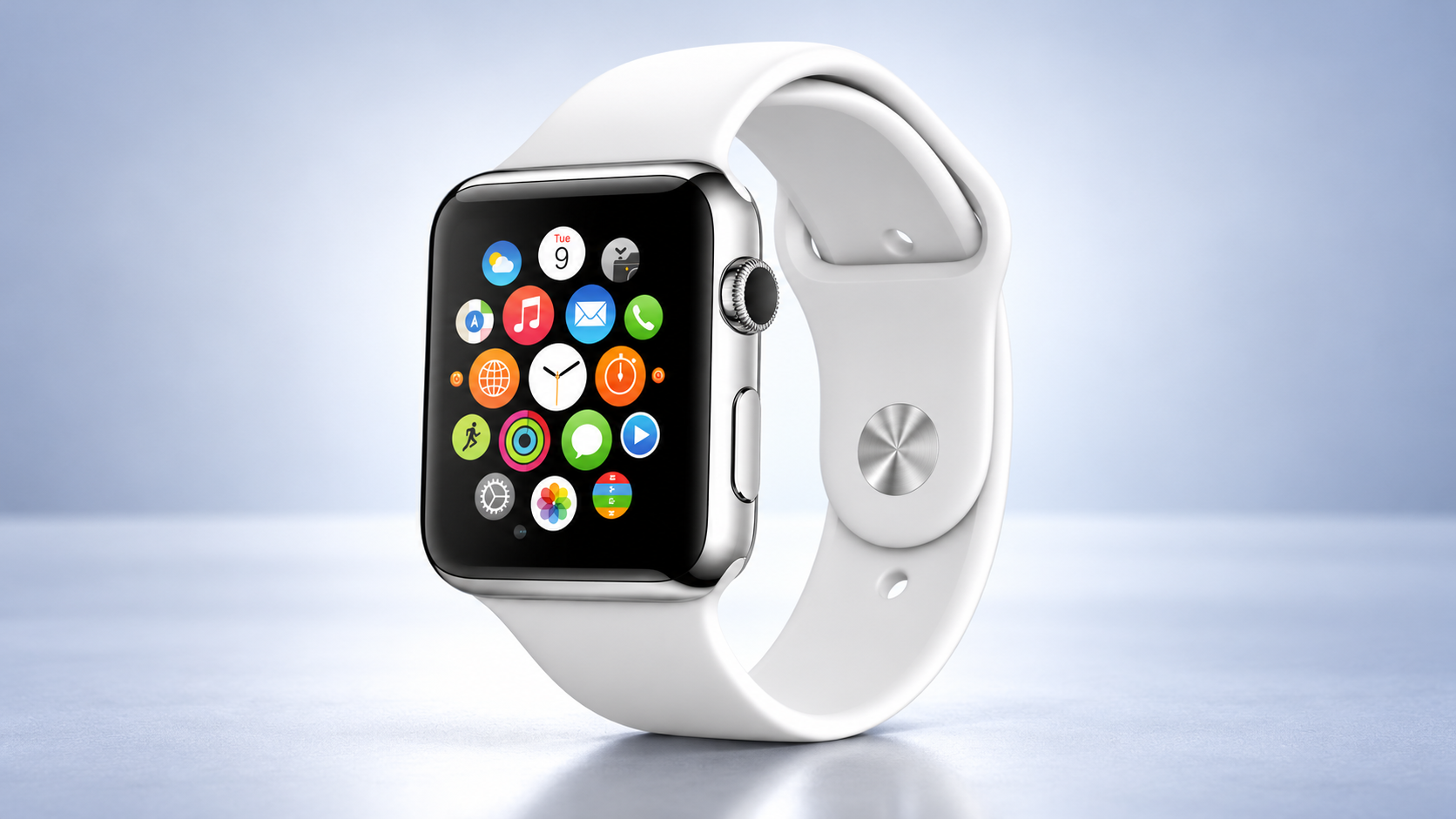
2015: Apple Watch
The first big announcement by CEO Tim Cook, the Apple Watch was seen as a slight redirection. Rather than a tech product, the Apple Watch was seen as more of a fashion accessory and was initially sold in luxury department stores in addition to its own stores, reaching a new non-tech audience.
It came in a range of case materials, including two 18-karat gold versions and offered straps by Hermes. The Apple Watch also introduced a digital crown as a means of scrolling through its menus and a force-touch option to access menus and shortcuts. This was later replaced with haptic touch.
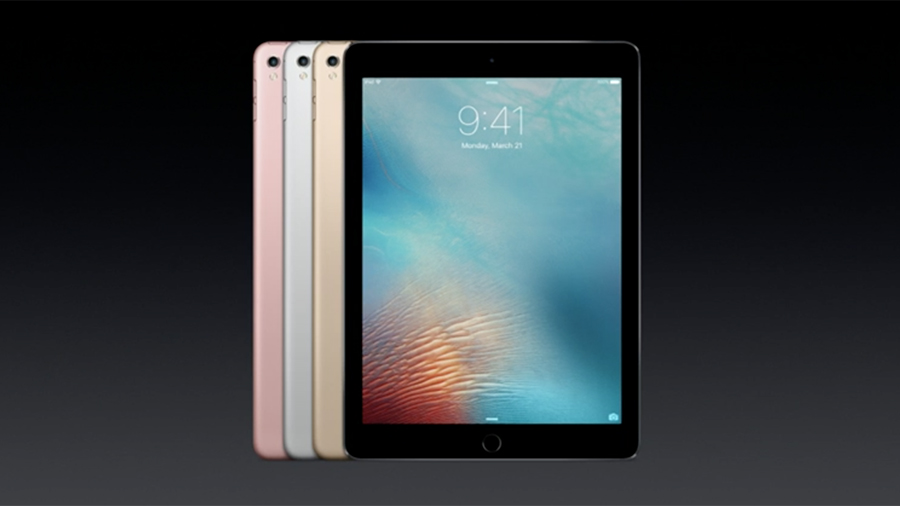
2015: iPad Pro
The iPad Pro saw a shift to the tablet being used as a true creative tool. Many were already using the second-generation iPad Air for creative purposes, but the iPad Pro offered a larger 12.9-inch display and a faster A9X chip inside.
Another coup for creatives was that alongside the iPad Pro came the first Apple Pencil, giving you the ability to sketch, edit, mark up or write on the display. It also introduced a new smart keyboard with full-size keys, turning the device into a mini MacBook.
The fifth generation of iPad Pros, which launched in 2021, finally saw it gain an M1 silicon chip, which changed the game once again.
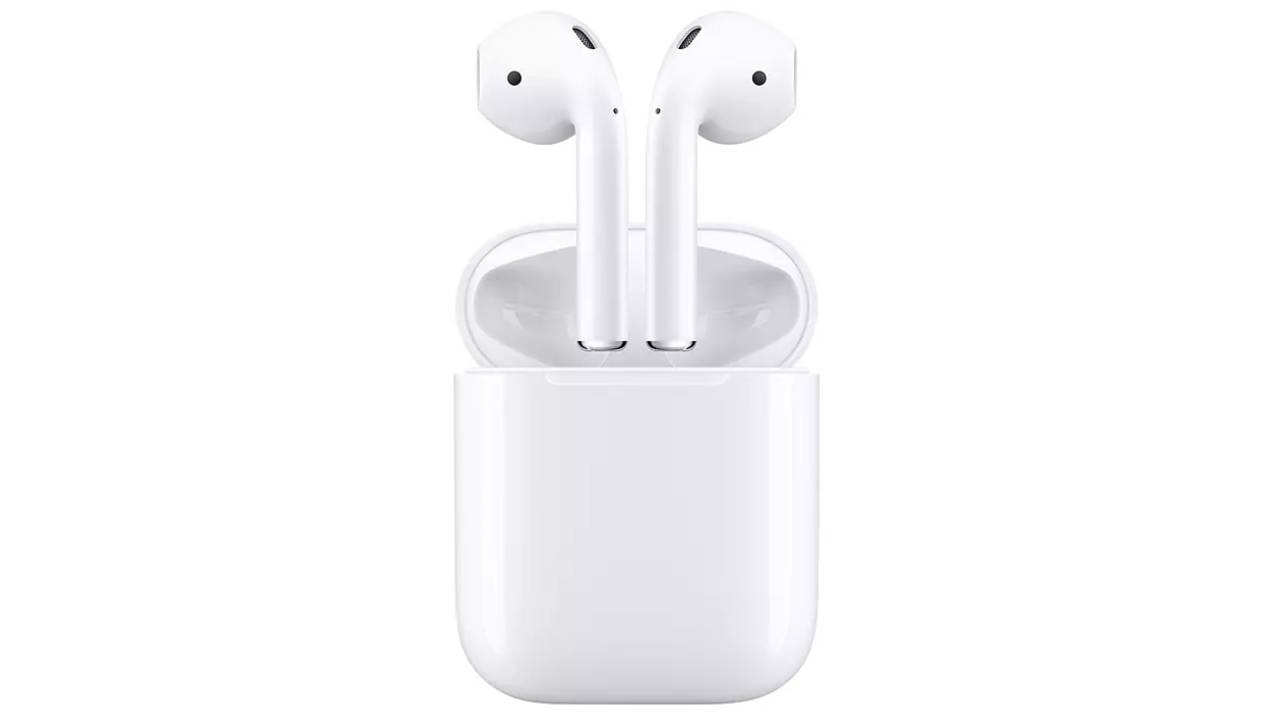
2016: AirPods
Launched alongside the iPhone 7, the AirPods offered a wireless alternative to the white wired Apple earpods that had been a fashion statement around the launch of the iPod.
The iPhone 7 was also the first model not to include wired headphones in the box, to some people’s annoyance. However, the AirPods soon became a statement in their own right and remain Apple’s biggest-selling accessory.
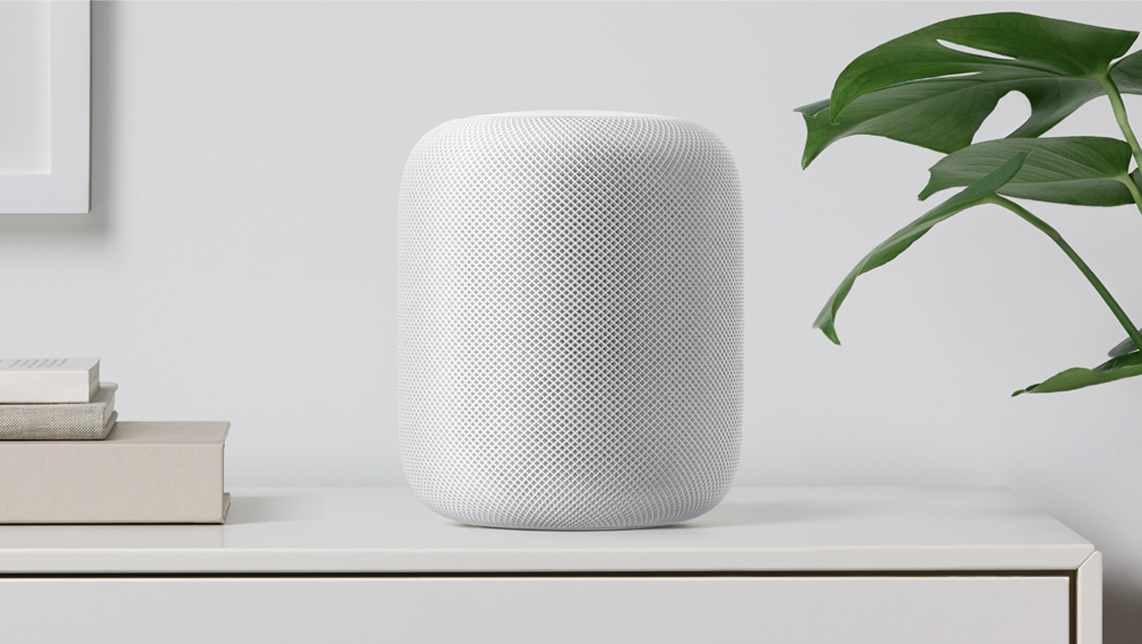
2018: HomePod
Since the early days of Siri, Apple was rumoured to be working on a speaker to rival Amazon’s Echo speaker range, but it wasn’t until 2018 when one finally arrived.
The original HomePod was far more than a smart speaker; it was aimed at music lovers who may otherwise have considered Sonos devices. The cylindrical speaker featured seven tweeters and a 4-inch woofer inside to provide room-filling sound and plenty of bass. Six microphones were used not only for Siri voice commands but also to help tune the acoustic performance to its surroundings.
You could also pair two together to create a stereo arrangement and deliver sound from streaming services, including Apple Music, or connect wirelessly to an Apple TV device for bigger sound from your TV.
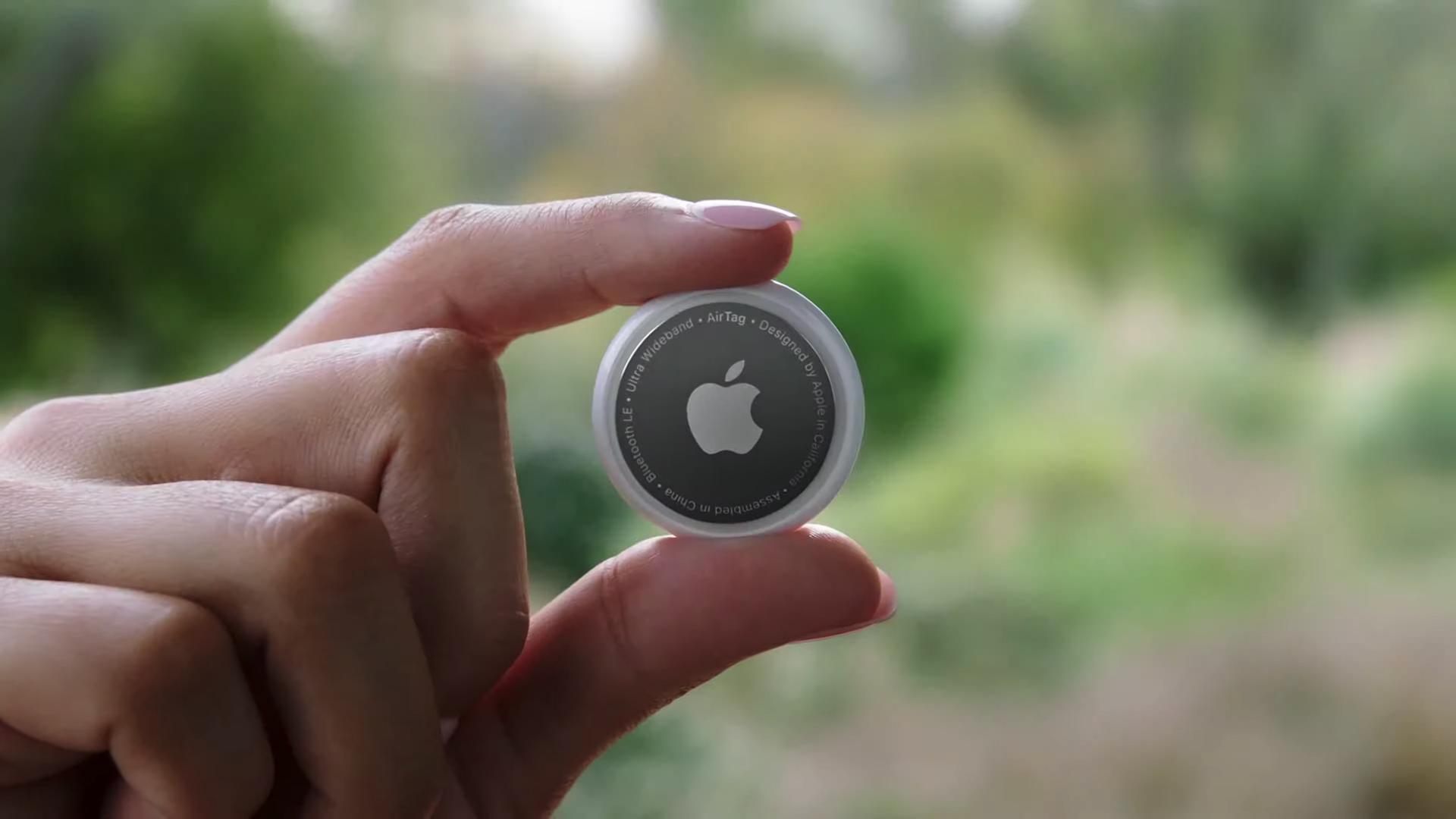
2021: AirTag
Apple’s Find My Phone service had been around since 2009, offering an easy way to locate a lost phone via the MobileMe subscription service, and then later for free on iCloud.
While this expanded to Macs and then other Apple devices under a more general ‘Find My’ name, it wasn't until the AirTag that Apple offered a way for you to track anything.
Though designed mainly for keys, bags and other luggage, people have used them for locating dogs, cars and even people – though updates soon mitigated unwanted tracking. AirTags don’t use GPS, they use anonymous Bluetooth signals from other iPhone or iPad devices to locate, so they work best in built-up areas.
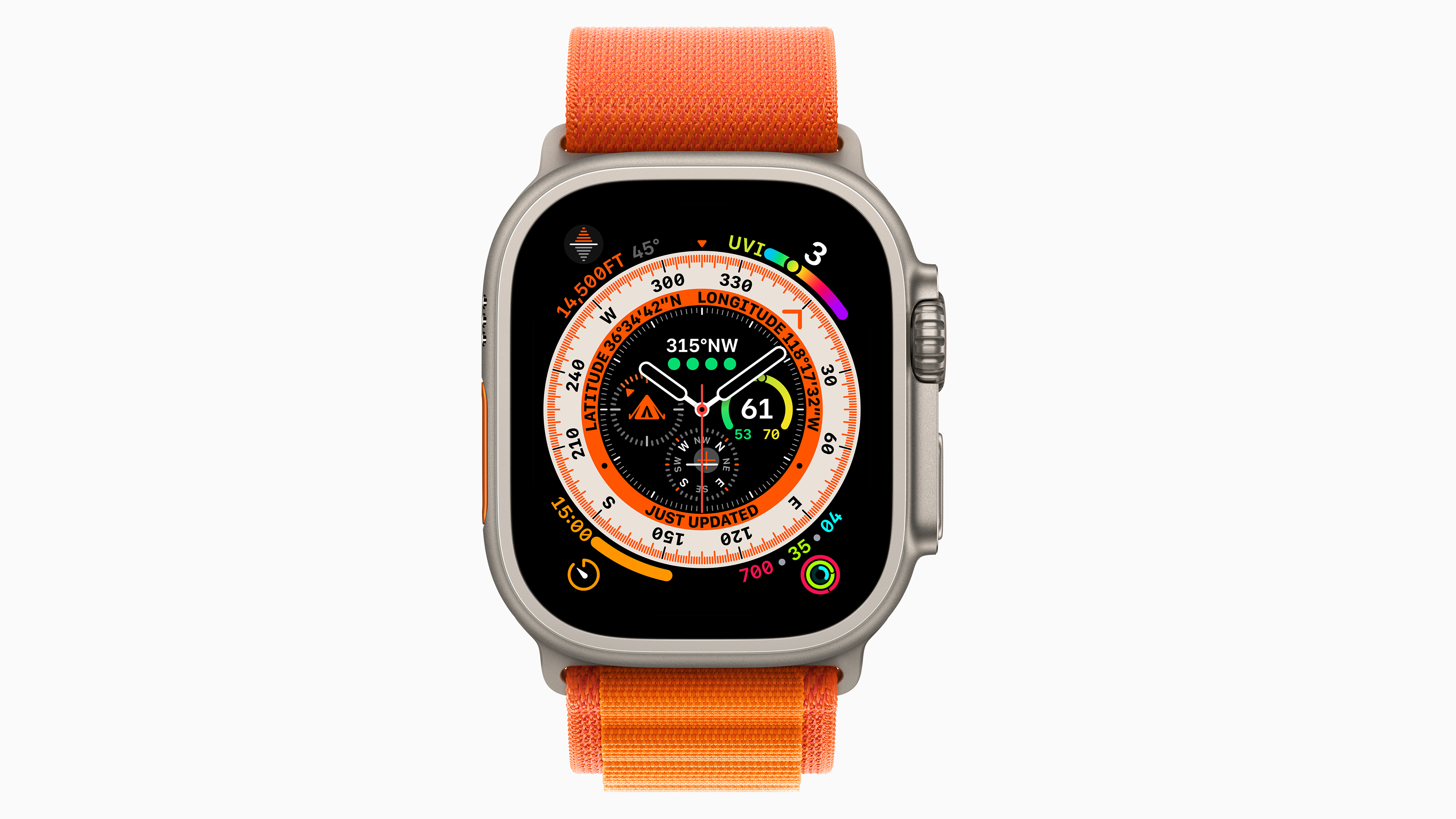
2022: Apple Watch Ultra
With the popularity of rugged smartwatches growing, principally from Garmin, Apple’s answer was the Apple Watch Ultra. Based on the Apple Watch Series 8, it offered a bigger, brighter display, a 60-hour battery life and a strong titanium casing. It also featured a unique bright orange action button, a depth app for when you’re in the water, and a siren, should you need rescuing.
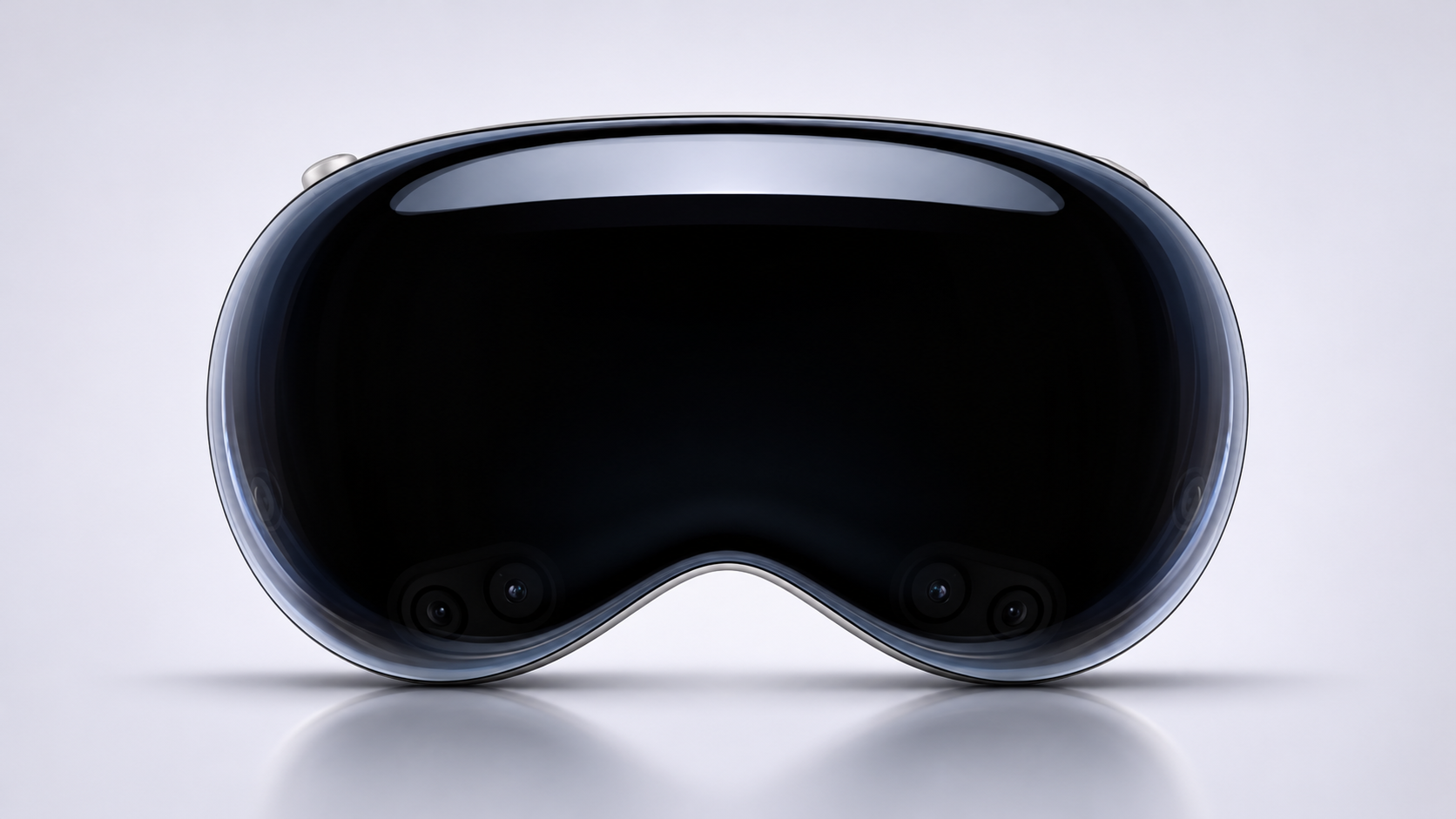
2024: Apple Vision Pro
Perhaps the most anticipated device since the iPhone, the Vision Pro took Apple into a brand new sector. Mixed reality glasses combine virtual reality (fully immersive) with augmented reality, offering the ability to overlay menus and screens into real-world environments, using high-resolution cameras to capture the world around you and a micro LED display equivalent to around 4K per eye to show it back to you.
Rather than being gaming-focused, the Vision Pro prioritised productivity, photos and movies. The high cost and bulky form made it a difficult sell, but a second-generation model is still expected to come and could be amazing.
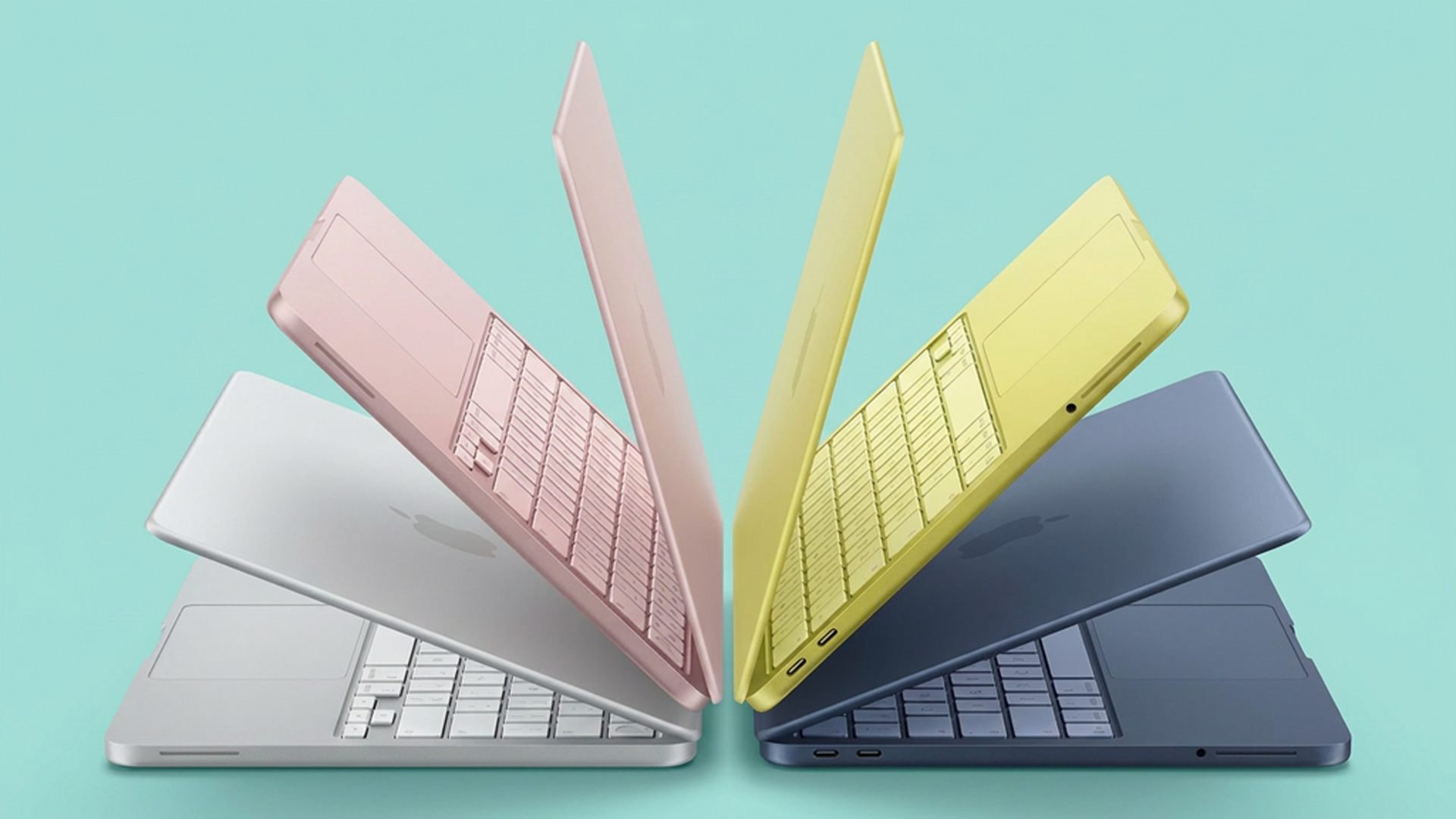
2026: MacBook Neo
In an unexpected move, Apple released a budget laptop to tempt users away from PCs. The MacBook Neo’s aggressive price was the same as the iPad Air M4 and iPhone 17e at the time.
The Neo ran on the same A18 Pro chip that was used in the iPhone 16 Pro, and surprised everyone with how effective it still was at running the full version of Mac OS and just about any application you could throw at it.
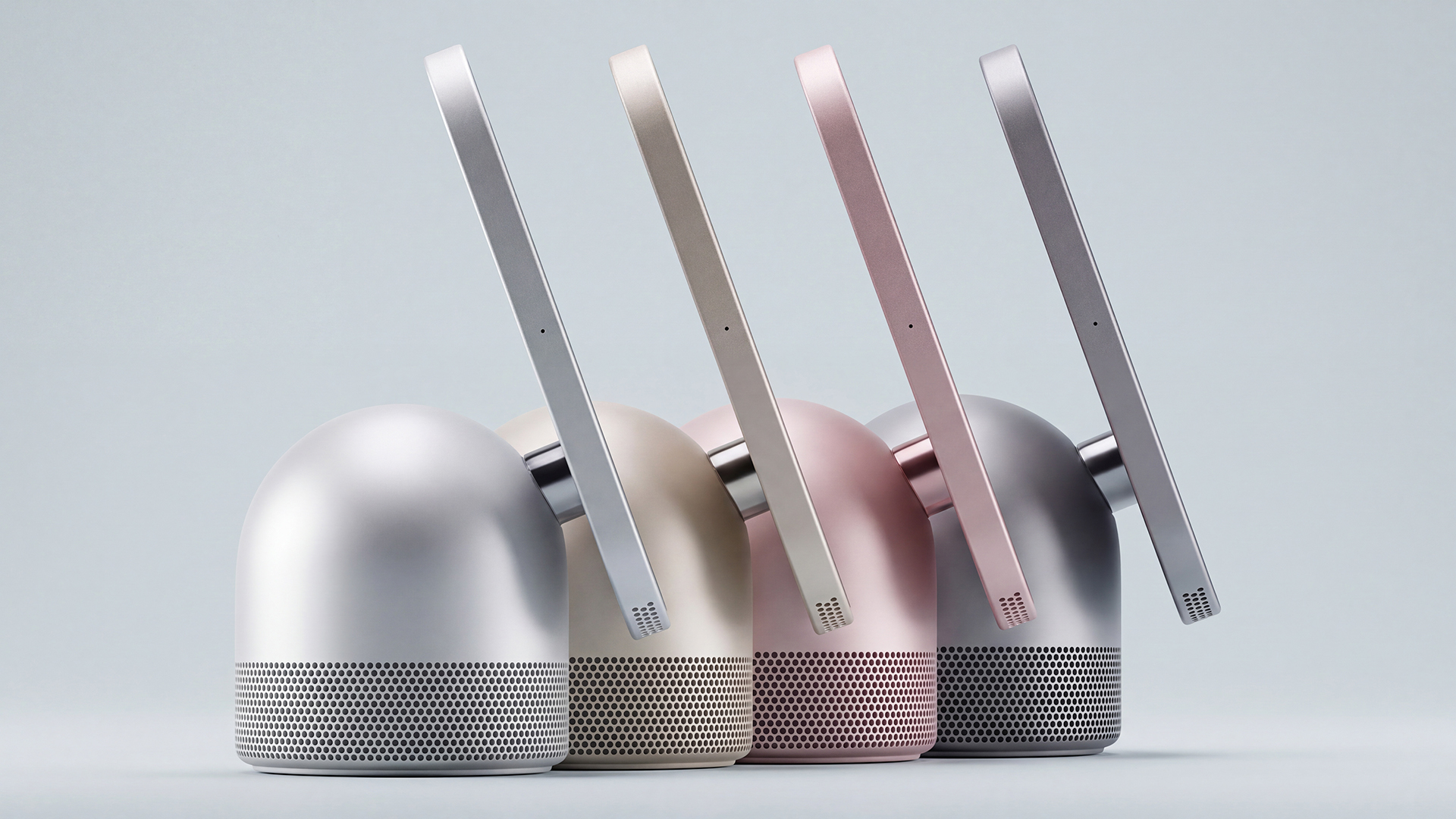
2026: HomeView
One of Apple’s worst-kept secrets, the HomeView had been expected to launch for a couple of years – though it was thought to be called the HomePod.
This device bridges a gap into the world of smart home, providing a central hub for all of your devices, as well as FaceTime calls, videos, music, and Siri AI interaction.
It’s a welcome addition for those who already have an Apple ecosystem in their home, and also saw a series of Apple home accessories, developed with LG, that connect natively to Apple’s system.
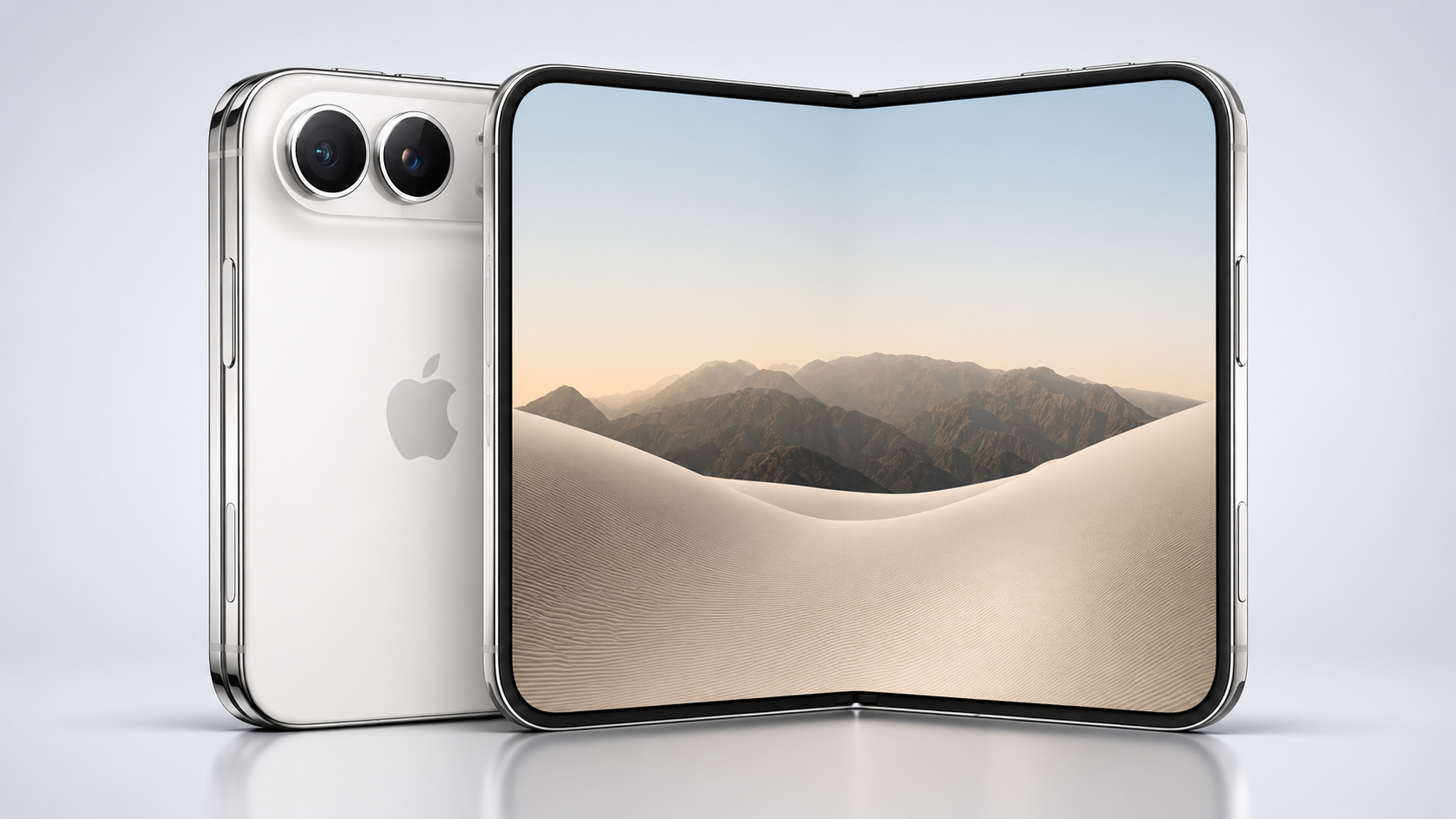
2026: iPhone Duo
For nearly six years, iPhone users waited for Apple to launch a folding phone, watching Samsung and others improve their offerings. When the time was right, though – and principally the technology was there to avoid a visible crease – it came.
The iPhone Duo has only been on sale for a few weeks at this point, but initial reaction has been strong, and there’s still a long lead time to buy one. I’m sure the second version will iron out the kinks, such as the lack of Face ID and the low-res under-screen camera, but it feels like the future for the iPhone right now.

-
 C114 Communication Network
-
 Communication Home
