
 Search

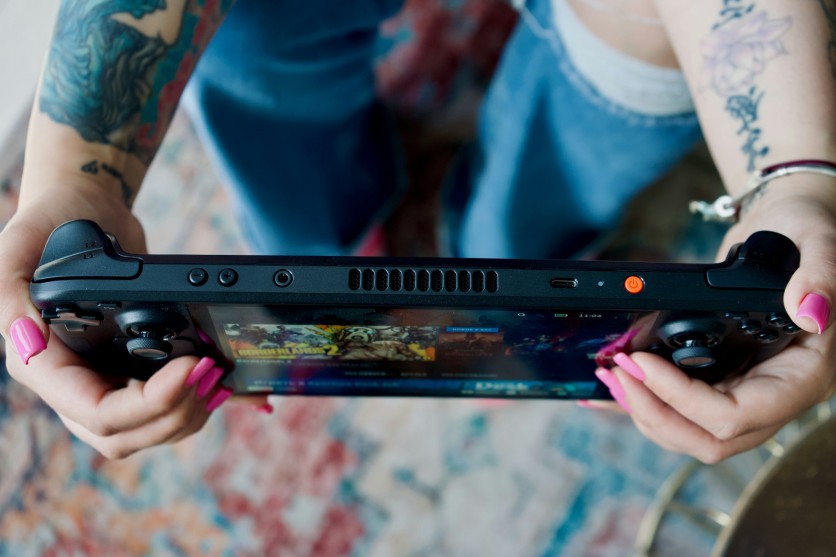
Steam Deck OLED vs Legion Go S has become one of the biggest discussions in the handheld gaming comparison space because both portable gaming devices target players who want PC gaming without carrying a full laptop.
Each handheld gaming PC offers a different balance of performance, display quality, battery life, and software experience, making the choice more complicated than simply picking the faster device.
The Steam Deck OLED is often viewed as the more refined and comfortable portable gaming option thanks to SteamOS optimization and efficient battery performance. Meanwhile, the Legion Go S focuses more heavily on raw power, larger display size, and newer AMD hardware.
That difference makes the Steam Deck OLED vs Legion Go S debate less about which system is universally better and more about which one fits a player's habits and priorities.
Steam Deck OLED vs Legion Go S At A Glance
The Steam Deck OLED vs Legion Go S comparison shows two portable gaming devices aimed at different types of players. One focuses on comfort and software polish, while the other pushes stronger performance and a bigger screen. This makes the handheld gaming comparison less about a clear winner and more about personal preference.
The Steam Deck OLED uses SteamOS and is known for its HDR OLED display, strong battery life, and comfortable controls with dual trackpads. It feels more refined as a handheld gaming PC, especially for players who want simple plug-and-play use.
The Legion Go S, on the other hand, uses newer AMD hardware and delivers higher performance in some games, along with a larger LCD screen.
In terms of display quality and controls, the Steam Deck OLED favors color depth and long-session comfort, while the Legion Go S focuses on size, sharpness, and flexibility with Windows. SteamOS also gives the Steam Deck a smoother experience, while the Legion Go S offers more openness but slightly less consistency in everyday use.
What Makes Each Device Better For Different Players
The Steam Deck OLED is often the better choice for players who value simplicity, comfort, and longer battery life. SteamOS feels more streamlined than most Windows-based handheld gaming PC setups, making games easier to manage and play without extra tweaking.
It also handles indie titles and older PC games efficiently, with quieter operation and smoother day-to-day usability.
The Legion Go S, by contrast, is aimed at users who want higher performance and a larger display for modern games. Its newer AMD hardware helps deliver stronger frame rates in demanding titles, making it more suitable for users who treat a handheld gaming PC like a compact desktop.
The bigger screen adds immersion in fast-paced or open-world games, but the trade-off is higher power use, more heat, and shorter battery life in heavier sessions.
How To Choose The Right Handheld Gaming PC
Choosing the right handheld gaming PC depends on how each device fits into daily gaming habits. Both the Steam Deck OLED and Legion Go S offer strong portable gaming experiences, but they prioritize different things like comfort, performance, and flexibility.
- Steam Deck OLED: Focuses on a smooth SteamOS experience that feels close to a console, reducing setup steps and making games easier to launch and manage. It is ideal for players who want a hassle-free portable gaming device for everyday use.
- Steam library users benefit more here: Works especially well with Steam-based collections and supports easy navigation using dual trackpads for PC-style games. This makes it more convenient for older titles or games designed with keyboard and mouse input in mind.
- Legion Go S: Prioritizes stronger hardware and a larger screen, making it more appealing for demanding modern games. In the Steam Deck OLED vs Legion Go S comparison, it suits users willing to adjust Windows settings for extra performance.
- Best for AAA gaming and desktop-like use: Handles heavier titles better but may require more tuning and comes with trade-offs like shorter battery life and higher heat output. It fits players who want a more powerful handheld gaming PC rather than a simple plug-and-play experience.
The Best Handheld Depends On What Matters Most
The Steam Deck OLED vs Legion Go S debate ultimately comes down to priorities rather than a clear overall winner. The Steam Deck OLED stands out for SteamOS optimization, battery life, ergonomics, and overall polish, making it one of the safest all-around portable gaming devices available today.
At the same time, the Legion Go S delivers advantages in raw performance, display size, and hardware power that may appeal more to players focused on demanding modern games. In this handheld gaming comparison, the best choice depends on whether the user values convenience and comfort or higher performance and a larger screen.
Frequently Asked Questions
1. Which handheld gaming PC has better battery life?
The Steam Deck OLED generally offers better battery life during most gaming scenarios. Its OLED display and SteamOS optimization help improve power efficiency. Players using indie games or lighter titles can often game longer away from a charger. The Legion Go S tends to consume more power under heavy workloads.
2. Is the Legion Go S more powerful than the Steam Deck OLED?
Yes, the Legion Go S usually provides stronger raw gaming performance in demanding titles. Its newer AMD hardware can deliver higher frame rates in certain games. This makes it attractive for players focused on modern AAA releases. However, that extra performance often comes with higher heat and shorter battery runtime.
3. Why is SteamOS important on the Steam Deck OLED?
SteamOS helps create a smoother and more console-like experience for handheld gaming. It simplifies game launching, updates, and controller support without needing as much manual setup. Many players prefer its streamlined design over Windows-based handheld systems. SteamOS also improves battery efficiency in many situations.
4. Which portable gaming device is better for travel?
The Steam Deck OLED is usually the better travel companion because of its battery life and comfortable ergonomics. It stays quieter and cooler during extended play sessions. The software experience is also simpler for quick gaming sessions on the go. The Legion Go S works better for users who prioritize performance over portability.
Originally published on gamenguide.com

-
 C114 Communication Network
 -
 Communication Home
