
 Search

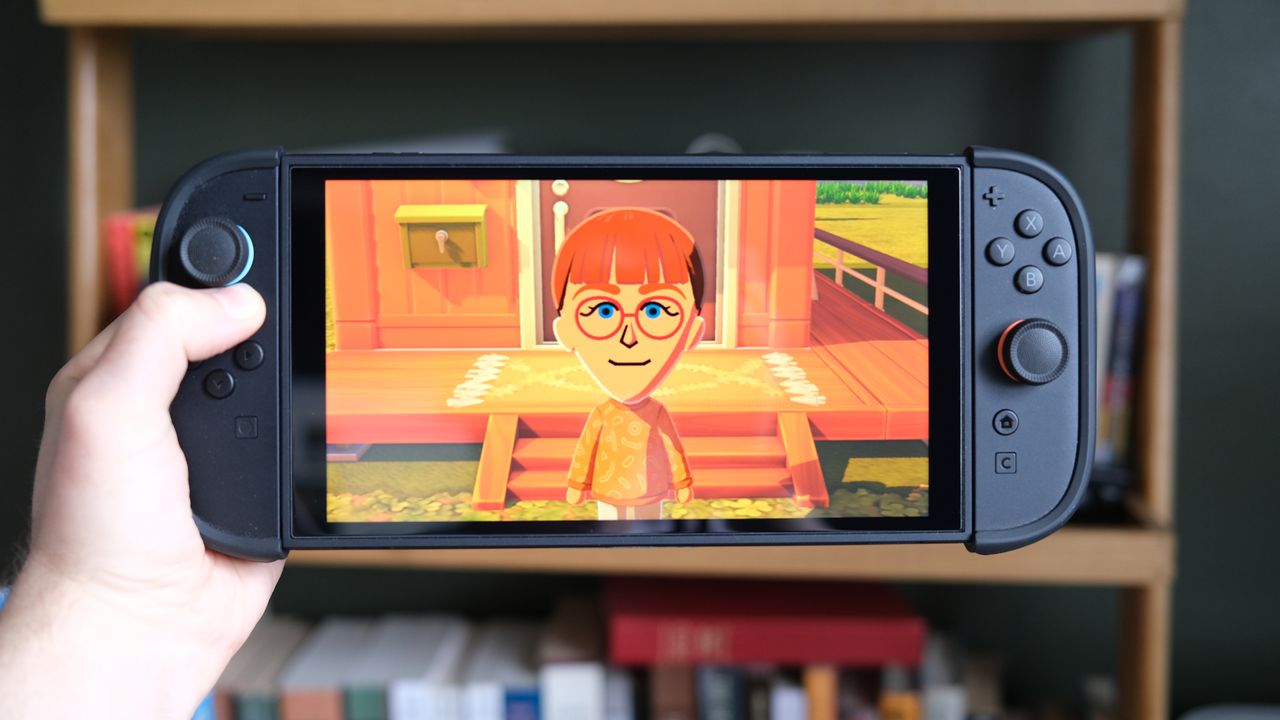
(Image credit: Future)
When Nintendo announced Tomodachi Life: Living the Dream, a certain segment of its fanbase was absolutely ecstatic – this was the revival of a franchise that people sensibly assumed had no life left in it, and potentially a return to the glory days of Nintendo being unafraid of weird games.
Having had it for a few weeks, though, I'm almost regretful to confirm that, while it's objectively funny and a great little calming game to drop into every so often, I'm not sure I really get the attraction. While there's a lot to like about its weird approach to life management, it's just not quite active enough an experience for me, especially with Pokopia so recently in the rearview mirror.
Where Pokopia had you actively moving around a world, remaking it as you saw fit, Tomodachi Life is a more traditional life sim. That means you're a disembodied master ruling over a small (but soon growing) island that can host up to 70 characters, some of whom you'll actively and carefully design.
These are Miis, but in a new generation that gives them much more customisation than you might remember if your last Mii was on the Wii. You can make charming little guys very easily, and give them even more charming voices – which makes for natural comedy whenever they talk about the topics you put in their heads.
These Miis roam around interacting with each other, building relationships in both negative and positive ways, and slowly form social cliques that can be really funny to observe. They can also get jobs, develop hobbies, discover favourite foods, and a whole oodle of other amusing pastimes.
Again, it's worth stressing that this is one of the funniest games I've played in ages, full of little off-beat notes that really tickle me. From having your Mii characters rotate through professional roles (staffing a breaking news desk, or the grocery store, for instance) to their facial expressions during bizarre chats, I chuckled way more than I expected to, which is vanishingly rare in gaming.
I was also fairly delighted by the amount of variety I saw in my hours with the game – every time the shop refreshed and showed off new food items, or I discovered funky new clothing or room decor, it was a pleasant surprise. That means you'll be able to style your island and its inhabitants in a wider array of ways than I'd assumed before diving into the game.
That said, I can't pretend that I think I'll be sticking with Tomodachi Life for a great deal more time. While it's been a fun little ride, I didn't get nearly the same satisfaction from it as Pokopia offered. This might be because the latter was less of a blank slate, giving a really streamlined main quest and satisfying objectives to tick off right from the get-go.
In Tomodachi Life, after an hour or so of tutorials and lessons, you're basically into the main game, which means making your own objectives and deciding how you want to shape your island society. That will likely chime well with Animal Crossing fans and those who like to choose their own direction, but I found it left me a little aimless.
Still, given how safe the Switch 2 was from a hardware perspective, I think it's only right to celebrate the fact that Nintendo's still willing to take a swing at a project like this. It might not be exactly to my taste, but Tomodachi Life is a weird little bit of fun that will doubtless find an intense core audience who love it to death, and I'm glad to see that sort of game flourish.

-
 C114 Communication Network
 -
 Communication Home
