
 Search

(Image credit: Huawei)
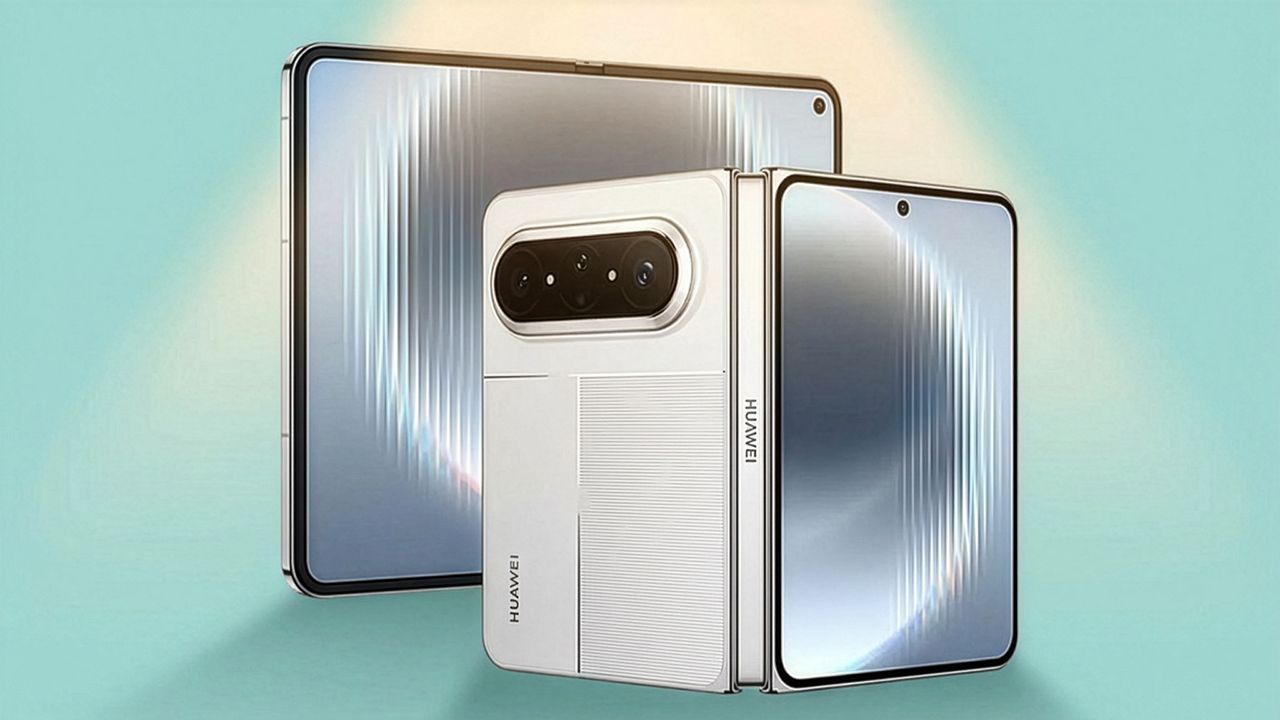
Huawei has previewed its next folding phone, confirming the move to a new format before the likes of Samsung and Apple have the chance. Embracing the wide fold trend, the Huawei Pura X Max, comes in a fresh new form factor, for a wider internal display.
Rumours have long suggested that the iPhone Fold is going to have a similar "wide" format, meaning that when the internal display is unfolded, it's actually useful - directly addressing one of the problems with current devices.
The first few generations of Samsung Galaxy Z Fold – the device that really established book-style folding phones – had a tall design, with a narrow external display. Samsung has moved to address this, but fundamentally the idea is the same, with the phone opening up with a screen that's almost square.
While it's great to have more space, a square space isn't that practical for anything. It's not good for movies with most of the screen being letterboxed, while it's not good for reading either. About the only thing its good for is Instagram.
The Huawei Pura X Max has been listed on Vmall, the brand's official retail website, showing off the new phone in a range of colours. This lets us have a good look at the design, but without sharing the full specifications.
The listed colours include Phantom Night Black, Zero Degree White, Interstellar Blue, Olive Gold and Vibrant Orange, while we also learn that there are 12 and 16GB options, along with 256 and 512GB storage. There will also be a 1TB collectors edition.
The details of the displays aren't listed, but it looks more like a 16:10 screen, similar to many laptops. This would also give a lot more space for watching movies, as it's closer to a cinematic aspect ratio.
That leaves the external display rather short and wide, different to what we're used to on conventional phones.
Currently, we don't know any of the other specifications. It's due to be officially launched on 20 April, at which point we'll learn everything about it, but it's unlikely that it will be globally available.
It's likely instead be positioned to rival Apple's device when it (presumably) launches in China later in 2026.

-
 C114 Communication Network
 -
 Communication Home
