
 Search

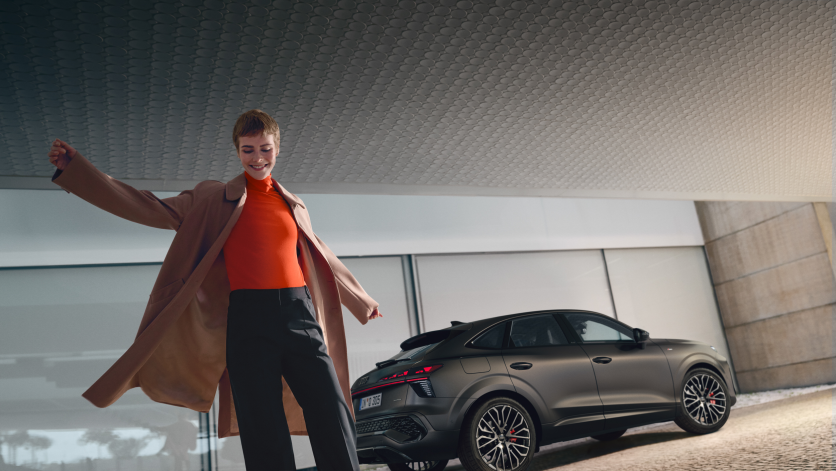
Automotive photography has evolved significantly over the past decade, merging traditional vehicle showcases with high-end fashion aesthetics. Modern campaigns prioritize lifestyle integration and emotional resonance over purely technical specifications to capture premium market segments. This industry-wide shift requires commercial directors to possess a deep understanding of both human posing and complex vehicle lighting.
Per Norberg is a multidisciplinary commercial director and photographer based in West Los Angeles, bringing extensive expertise from his degrees in marketing and sustainable design. Working across North America and Europe, his extensive portfolio encompasses major campaigns for prominent luxury automotive brands. Integrating editorial fashion techniques into vehicle campaigns establishes a distinct visual language that elevates modern automotive marketing.
Human Element in Automotive Campaigns
High-end automotive imagery frequently relies on human-centric captures to establish a relatable and aspirational lifestyle narrative. Directing talent effectively requires a clear understanding of posture, proportion, and on-set interpersonal dynamics. "My experience in front of the camera, working with so many photographers at an early stage in my career, was helpful on so many levels," notes Norberg.
Photographers who have experienced the modeling perspective often bring specialized insights into set management and talent comfort. Establishing a relaxed working environment minimizes repetitive tasks that can inadvertently undermine a subject's confidence. Norberg states, "Try to be precise, on it, and professional without doing too many 'extra takes for safety.'"
Applying this specialized perspective to automotive projects yields a highly realistic and polished editorial final product. Creating a luxury lifestyle editorial portrait inside vehicle settings relies on precise talent direction and balanced, neutral aesthetic tones. Similarly, generating a hyper-realistic 8K full-body portrait involving cars requires natural daylight integration to achieve an authentic high-fashion aesthetic.
Building Aspirational Luxury Stories
Transitioning from fashion e-commerce to premium automotive campaigns involves shifting the commercial focus toward highly aspirational narratives. Both sectors operate within a luxury space where consumer purchasing decisions are heavily influenced by perceived emotional value rather than strict logic. "I think it helps to have the innate ability to dream. What I do at the end of the day is to help sell the dream of things that'll make someone's life better," Norberg explains.
Maintaining a consistent artistic identity is crucial when navigating different commercial disciplines and transitioning between diverse client portfolios. The core aesthetic principles that elevate a high-end leather jacket can be seamlessly adapted to highlight the lines of a sports car. Norberg observes, "I think it's really about always staying true to your own aesthetics and favoring what inspiration you can carry across as a multidisciplinary artist."
Strategic luxury positioning is highly quantifiable, as automotive brands continuously measure the direct financial impact of premium consumer experiences. Deploying professional brand ambassadors at exclusive automotive events has generated substantial revenue directly attributed to manufacturers. Additionally, targeted investments in upscale physical experiences for VIP attendees consistently yield significantly higher lead conversion rates than standard engagement methods.
Adapting Editorial Lighting Principles
Automotive lighting techniques share fundamental similarities with the precise methods used to capture fine fabrics and luxury accessories. Treating vehicle interiors requires highlighting specific textures, complex seams, and delicate material details, much like photographing a premium handbag. "Setting the stage with light that highlights the seams, and the detail work is very similar," Norberg explains.
Exterior automotive photography presents unique technical challenges primarily due to the highly reflective and curved nature of modern sheet metal. "Fashion pieces rarely show a lot of reflections unless we're talking about chrome on a belt buckle or high-end sunglasses, while cars obviously act almost like huge mirrors that see the world," Norberg notes. Controlling these complex reflections often involves deploying custom floating ceiling panels to create smooth, uninterrupted light gradients across the vehicle bodywork.
Managing extensive dynamic range in high-contrast environments is another critical component of modern exterior vehicle photography. Photography professionals often capture multiple bracketed frames, utilizing advanced software tools to blend two handheld exposures seamlessly without a tripod. For massive indoor studio setups, constructing a giant overhead light bank ensures uniform, soft illumination over the entire surface area of the vehicle.
Integrating Human Talent Seamlessly
Seamlessly merging human subjects with sophisticated automotive design separates high-end editorial imagery from standard consumer advertisements. Establishing clear personas for the talent ensures that their interaction with the vehicle feels natural, authentic, and purposefully stylized. "Understanding who you are is key to not only getting the right movement (swagger!) but also to getting the right expressions and emotions," Norberg states.
This meticulous casting and direction process requires a deep understanding of the specific campaign's targeted demographic. The overarching goal is to match the talent's energy directly with the automotive brand's intended identity and luxury positioning. Norberg adds, "I take pride in having the talent to understand who they are in this very project."
Automotive manufacturers are increasingly investing heavily in experiential marketing campaigns that successfully blend physical interaction with expansive digital reach. When capturing these dynamic interactions alongside moving vehicles, professionals utilize specific focal lengths, as ultra-wide lenses like a 14.5mm emphasize speed while longer lenses maintain completely clean visual proportions. Advanced marketing strategies, including AI-driven contextual intelligence, further align these creative visual elements with optimal digital environments.
Establishing Distinct Visual Tonality
Emerging electric vehicle brands often require a completely new visual language to differentiate themselves effectively within a highly crowded global market. Developing a recognizable and premium aesthetic involves the consistent application of highly specific lighting and structural composition rules. "Shadow/light and abstract angles. That's the core recipe for that unique style that became instantly recognizable," Norberg notes, pointing out the foundational visual elements used to build these distinct brand identities.
Minimalist approaches frequently serve as a stark and deliberate contrast to traditional, heavily stylized automotive marketing materials. This stripped-down visual strategy emphasizes the core design elements and sophisticated engineering of the vehicle itself. "I think the Polestar brand carved out a unique place for itself with very high-end assets that leaned into the Scandinavian minimalist approach, separating itself from most other car brands," Norberg explains.
This specific minimalist tonality is evident across various commercial portfolios, highlighting major international electric vehicle platform launches. Photography collections featuring the POLESTAR 3 North America campaign demonstrate the raw effectiveness of this highly refined visual aesthetic. Similar cohesive strategic visual implementations are applied to high-profile corporate events, such as the Polestar NYC Climate Week showcase.
Sustainable Design Principles Integration
The integration of sustainable design principles is fundamentally reshaping how commercial directors interpret and capture modern mobility solutions. Active participation in global climate mitigation efforts provides a deeper philosophical connection to the rapidly evolving automotive manufacturing landscape. "Working on the transition to renewable energy—that really made me feel much more connected and excited about actually serving in a completely new way," Norberg shares.
Professional engagement with large-scale renewable energy initiatives can significantly revitalize creative motivation and operational focus. Aligning commercial artwork with broader environmental and corporate responsibility objectives offers an additional layer of professional reward. Norberg states, "I'm not sure it changed my perspective on my photography as much as it helped motivate me on new levels."
Automotive manufacturers actively monitor public reception of these environmental initiatives to guide future product marketing efforts. Analytical software tools like sentiment analysis evaluate emotional tone regarding specific electric mobility campaigns to ensure proper alignment. Implementing advanced measurement platforms and multi-touch attribution strategies ensures that these crucial sustainable narratives effectively reach and resonate with premium audiences.
Borrowing Styling and Composition
Vintage fashion editorials frequently serve as a primary foundational reference point for structuring modern automotive campaign compositions. Designing image sets to resemble high-end magazine spreads creates a cohesive narrative flow that translates seamlessly across multiple digital media channels. "I think the styling part is where I always always find inspiration from fashion—not only because it's about wardrobe and clothes but because it's a bearer of so much visual identity," Norberg observes.
Utilizing specific posing techniques from past eras can effectively introduce an element of classic luxury into contemporary automotive settings. Adapting these deliberate aesthetic choices allows commercial directors to build highly stylized and memorable visual campaign identities. "It might be me posing two talents in a way that's an homage to an old Hilfiger ad or thinking of SoMe carousels more like flipping pages in a fashion mag where shape and form carry over in various ways through the image set," Norberg explains.
Achieving this specific editorial look requires careful photographic equipment selection and meticulous on-set styling coordination. Creating authentic luxury fashion editorial compositions often involves precise wardrobe choices that faithfully replicate timeless industry aesthetics. Photographers also rely heavily on specialized optical gear, such as the Sony 100mm f/2.8 STF lens, to produce exceptionally smooth, cinematic backgrounds that dramatically emphasize the primary subjects.
Evoking Core Emotional Responses
The ultimate measure of commercial photography often lies in its reception by end consumers rather than solely by industry peers. While professional peer recognition holds value, the primary marketing objective is to connect with the designated target audience on a profound emotional level. "I know it's important to a lot of people to be cool and credible. Don't get me wrong—I also want recognition for my work—but I care less about what industry people think and more about what end consumers and target audiences think," Norberg states.
Introducing vibrant and positive imagery into automotive marketing deliberately challenges the traditionally serious and rigid tone of the transport sector. Creating a palpable sense of joy and approachability can significantly enhance a luxury brand's overall public appeal. Norberg adds, "I love creating colorful and fun visuals. Industry people seem to frown on that stuff, just like 'don't ever smile on the catwalk.'"
Academic research strongly supports the effectiveness of aligning marketing content with specific, highly positive emotional triggers. Studies identifying distinct context-specific content topics reveal that raw emotion vastly accelerates luxury brand engagement across digital platforms. Furthermore, strategic marketing collaborations with global pop culture icons can successfully shift a vehicle brand's social media net gender engagement, demonstrating the profound structural impact of varied emotional messaging.
The intersection of high fashion and automotive marketing represents a significant evolution in how luxury brands communicate their intrinsic value to modern consumers. By deliberately prioritizing emotional resonance, lifestyle integration, and meticulously crafted lighting over standard product documentation, commercial campaigns can elevate a vehicle into an aspirational object of desire. This meticulous editorial approach ensures that the resulting visual language remains sophisticated, timeless, and profoundly impactful across all global platforms.

-
 C114 Communication Network
 -
 Communication Home
