
 Search

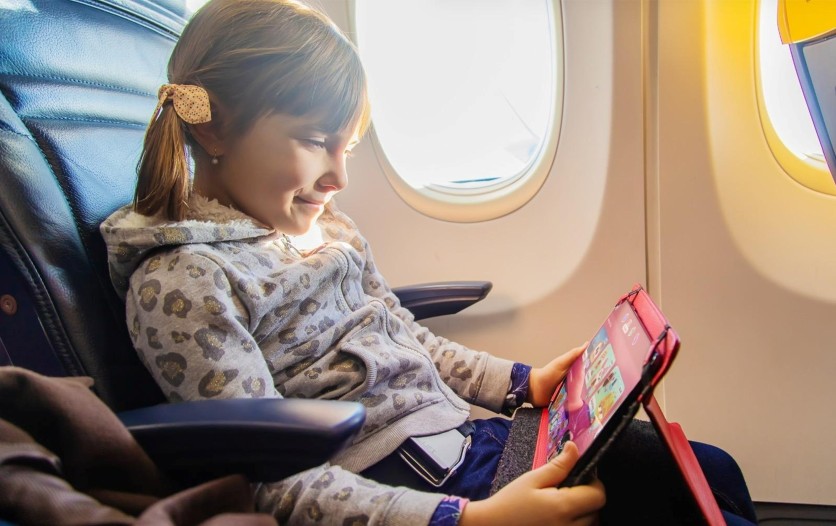
Screentime is a reality for modern parenting. Anyone with young kids—especially multiple kids—knows it's virtually impossible to get dinner made, field a phone call, survive air travel, or get through many other aspects of life without giving your kid a tablet. And basically every parent feels guilty about it, too.
Lingokids saw an opportunity here and is creating a new category of kids' entertainment: beneficial screentime. They raised $120 million last year to scale their interactive platform that builds skills, rather than rotting brains. Their flagship app has now been downloaded more than 200 million times and has a million daily active users.
Over the past year, Lingokids has rapidly amassed entertainment industry partnerships. Kids are learning spelling and math with Blippi, Elsa from Frozen, Spider-Man, and many other characters that also appear on their water bottles. Surprisingly, they're also discovering some of these characters for the first time on the app.
We interviewed Cristobal Viedma, founder and CEO of Lingokids, to find out if the dream of screentime parents can feel good about has really come true.
How much screentime is healthy for kids? Does the length of time change based on the content?
Three out of four parents feel guilty about screentime. But not all screentime minutes are created equal. Ten minutes on autoplay YouTube can numb a child's brain. Sixty minutes on Lingokids builds literacy, math confidence, creativity, and emotional intelligence.
We didn't set out to make "less-bad" screentime. We set out to build the gold standard, a platform where more time actually means more growth.
That's how you eliminate guilt: You replace passive consumption with active progress.
What qualities does content need to have to make screentime guilt-free?
Our data shows that 3 out of 4 parents struggle with screentime guilt. To eliminate that, content needs three things: safety, active participation, and real-world connection.
Screentime for kids has to be safe. It must be 100% ad free and COPPA-compliant. Parents feel guilty when their kid accidentally clicks an ad or talks to a stranger. Lingokids removes that risk entirely.
To be beneficial, content for kids has to encourage active participation. If a child is "doing" rather than just "viewing," it reduces the guilt parents feel. But still, active play alone isn't enough if it's junk. We conducted a study that found that more than a third of parents are specifically concerned about passive content that doesn't promote cognitive development. Parents also worry about screentime's effect on social skills and a lack of physical exercise.
That's why digital content should drive kids offline. For instance, in one of our new activities featuring Spider-Man, kids help the hero explore the neighborhood and notice good things happening—a habit they can easily take offline. And our new Career Lessons series leads kids in discovering career paths and learning to recognize different occupations in the world. When screentime inspires a real-world conversation at the dinner table, that's a win.
What do kids like best? Games, shows, or other types of content?
Our data shows that kids crave variety. The magic of Lingokids happens when a child moves from being a spectator to a participant.
We see a powerful symbiotic relationship between these formats. We recently surveyed our users and were surprised to find just how much Lingokids acts as a discovery engine for characters and stories. Having popular characters on Lingokids naturally helps draw kids in, but it turns out it's a two-way street. Kids are discovering new characters on Lingokids and then exploring their shows or movies after playing. We're becoming the place where kids first meet the characters they'll love for years.
This is a win-win for the companies we collaborate with, like Disney and Moonbug Entertainment. Our interactive activities featuring Disney characters have already been played more than 200 million times since launching barely 10 weeks ago. For parents, it means their child isn't just watching—they're building a relationship with a character through problem-solving and play.
On the back end, are you able to see kids learning skills and making progress?
Absolutely. This is the science behind the play. Parents can track progress on hundreds of learning objectives, providing a clear window into their child's development. Data from a study made in collaboration with the University of California, Davis shows that kids using Lingokids learn literacy, math, and social-emotional skills.
We are particularly proud of our impact in the neurodiversity space. While we track quantitative data for all users, we also lean heavily on qualitative breakthroughs. Educators and parents of neurodivergent children—including those with autism and ADHD—frequently report significant leaps in communication and social interaction after using the app.
How do you balance fun and learning?
Our team of over 150 experts ensures the storytelling is world-class. But the tech ensures that the story each child experiences is right for them.
We've moved away from a one-size-fits-all library to an individualized learning path. The app processes a child's progress and preferences to adapt in real time. If a child is excelling, the journey accelerates; if they need more support, the path adjusts. We view this personalization as a fundamental part of our service. The app wouldn't be effective if it didn't tailor the educational journey to every child's unique pace. This ensures the balance of fun and learning is always perfect for each individual kid.
This interview was edited for length and clarity.

-
 C114 Communication Network
 -
 Communication Home
