
 Search

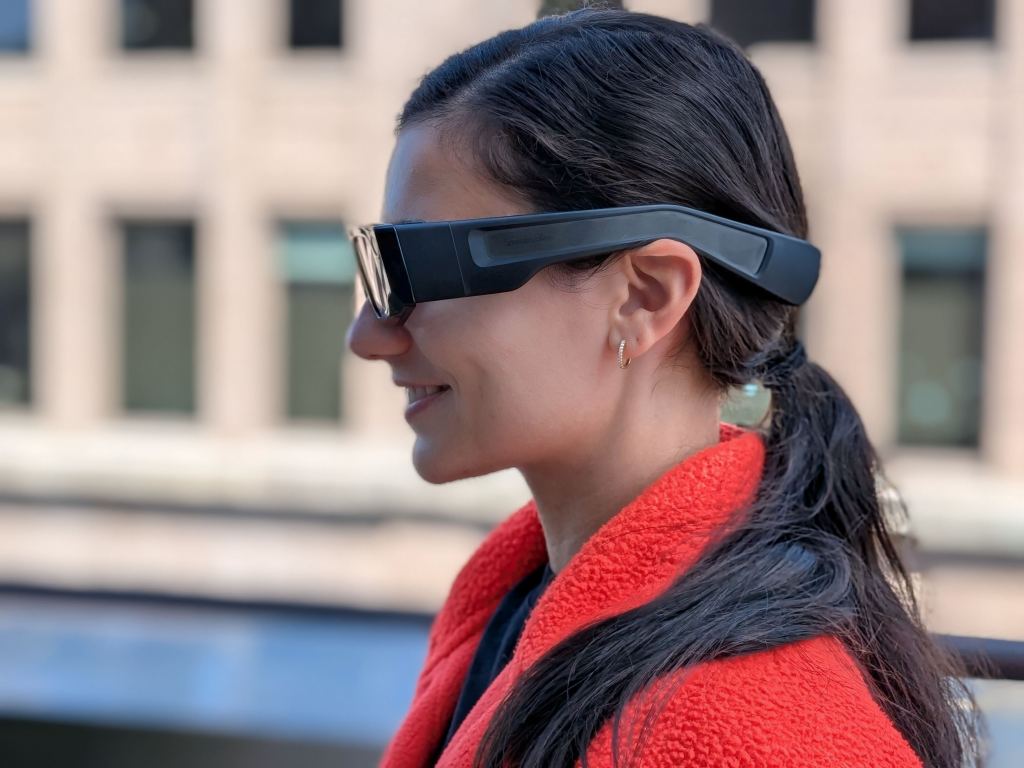
Image Credits:Brian Heater
Later this year, Snap is expected to launch the latest consumer version of its AR glasses, Specs. In anticipation of that big event, the company has launched a new subsidiary, Specs Inc., focused solely on further developing the glasses.
Snap announced the new company on Tuesday, explaining that the move would allow for “greater operational focus and alignment” as it continues to iterate on its product. It shows that, like other tech giants (see: Meta and Apple), Snap is getting serious about its smart glasses—although it’s worth noting that the company has been developing its AR hardware for quite a long time.
In fact, Snap originally began working on the technology behind Specs over a decade ago, although the last time the company offered a consumer version of the glasses was in 2018. Since 2024, the latest version of the hardware (technically its fifth generation) has been a developer-only product, which has allowed Snap to work on populating the wearable with the kinds of programs that will hopefully make it a hit when it comes time to launch.
As Snap has continued to refine its product, other companies have charged to the front of the AR glasses race, most notably Meta—which has cut deals with major eyewear companies (Ray Ban and Oakley via its partnership with those brands’ owner, EssilorLuxottica) while enjoying growing demand in the U.S. Snap obviously hopes to make a meaningful entrance into that market once its glasses are released later this year.
At CES earlier this month, I met up with Russell Patton, product manager for Specs, who gave me the opportunity to demo Snap’s new headgear. Patton, who guided me through a tour of the device’s user experience and latest features, said that “the spatial nature” of Specs meant that there were a lot of user experiences that could be enjoyed that aren’t possible with a phone. That spatial experience is largely powered by the glasses’ four cameras, which allow for hand tracking and enable the company’s Snap Spatial Engine, which is the software component that projects the device’s AR imagery.
Specs run on a distinct operating system, Snap OS, which released its latest version last September. The newest version notably includes an improved browser (which I was able to test-drive by visiting the TechCrunch website), as well as an AI-powered function (dubbed “spatial tips”) that can provide auto-generated information about whatever you happen to be looking at (while staring at a table full of snacks, the glasses gave me tips for which were the healthiest). Also included is a “travel mode,” which Snap says can help travelers translate foreign street signs and menus.
Then there are the games. During my demo, I managed to flail my way through a round of Avatar: The Last Airbender, which was quite a lot of fun. The headsets also have the ability to synchronize with one another, meaning that two different people wearing different sets of glasses can see the same thing in the same physical space. As you might imagine, that opens the door for collaborative gaming.
Disrupt 2026 Tickets: One-time offer
Tickets are live! Save up to $680 while these rates last, and be among the first 500 registrants to get 50% off your +1 pass. TechCrunch Disrupt brings top leaders from Google Cloud, Netflix, Microsoft, Box, a16z, Hugging Face, and more to 250+ sessions designed to fuel growth and sharpen your edge. Connect with hundreds of innovative startups and join curated networking that drives deals, insights, and inspiration.
Disrupt 2026 Tickets: One-time offer
Tickets are live! Save up to $680 while these rates last, and be among the first 500 registrants to get 50% off your +1 pass. TechCrunch Disrupt brings top leaders from Google Cloud, Netflix, Microsoft, Box, a16z, Hugging Face, and more to 250+ sessions designed to fuel growth and sharpen your edge. Connect with hundreds of innovative startups and join curated networking that drives deals, insights, and inspiration.
The form factor of the glasses I used was a bit cumbersome (at nearly 8 ounces, they’re a bit heavy), and it had a propensity to heat up after usage, although the team told me that the particular pair of glasses I was using had been in use all day. The physical makeup of the hardware is also expected to change before it launches publicly.
The company hasn’t provided a firm release date yet, so interested consumers will have to keep their eyes peeled for that announcement.

-
 C114 Communication Network
 -
 Communication Home
