
 Search

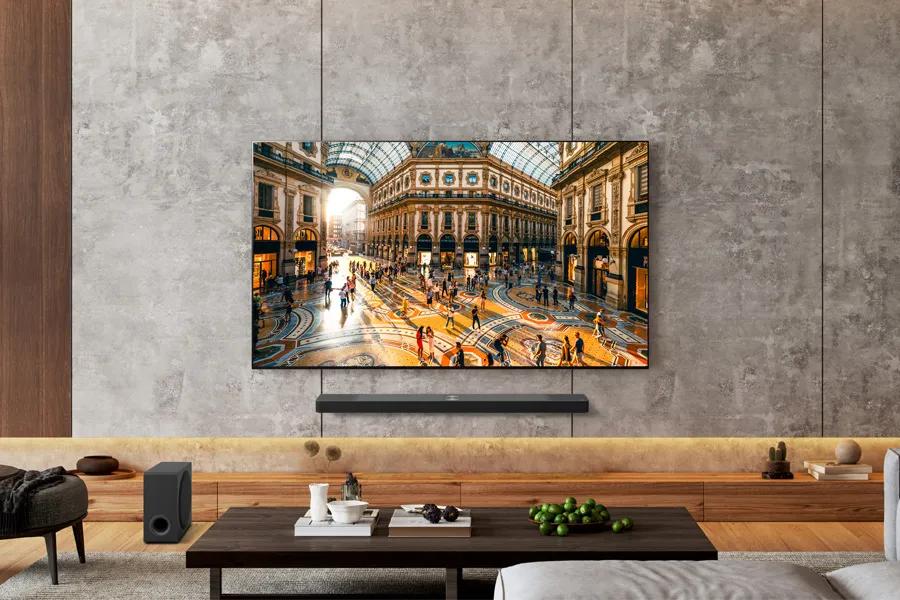
Credit: LG
LG has launched a subscription program in the UK that allows people to make monthly payments in order to rent LG TVs, soundbars, monitors, and speakers.
LG Flex customers can sign up for one-, two-, or three-year subscriptions to get lower monthly payments.
“At the end of your subscription, you can apply for a free upgrade, keep paying monthly, or return your device,” the LG Flex website says. Subscribers will have to pay a £50 (about $69) fee for a “full removal service,” including dismounting and packaging, of rental TVs.
LG also claims on its website that it won’t penalize customers for “obvious signs of use, such as some scratching, small dents, or changes in the paintwork.” However, if you damage the rental device, LG “may charge you for the cost of repair as outlined by the Repair Charges set out in your agreement.” LG’s subscription partner, Raylo, also sells insurance for coverage against “accidental damage, loss, and theft” of rented devices.
As of this writing, you can buy LG’s 83-inch OLED B5 2025 TV on LG’s UK website for £2,550 (about $3,515). Monthly rental prices range from £93 ($128), if you commit to a three-year-long rental period, to £277 ($382), if you only commit to a one-month rental period. Under the three-year plan, you can rent the TV for 27 months before you end up paying more to rent the TV than you would have to own it. At the highest rate, your rental payments will surpass MSRP after nine months.
The cheapest item available through LG Flex as of this writing is LG’s 3.1.1 channel soundbar with Dolby Atmos from 2024. You can buy it from LG’s UK website for £600 ($827) or rent it for £22 ($30) to £76 ($105) per month.
LG Flex can grant people instant access to electronics they may not be able to pay for currently. There are other options, like interest-free payment programs (which LG also offers), but those programs can require larger monthly payments than rentals do.
Still, renting gadgets from LG won’t make financial sense for many. The program can be handy for people, businesses, and other entities that require high-end gadgets for a limited amount of time or that want frequent upgrades. But renting electronics quickly becomes more costly than buying something. It’s often more prudent to save money that would have been used for monthly payments and instead invest it in something that you can own and maintain for years.
LG’s rental gadgets are only available in the UK. Ars Technica reached out to LG about whether it has plans to rent electronics in the US and will update this article if we hear back. As it stands, the program adds to the growing number of tech companies encouraging people to rent, instead of buy, their products. HP, for instance, has a printer rental program, and NZXT launched a gaming desktop rental program in 2024. Logitech CEO Hanneke Faber has also floated the idea of a subscription-based mouse.
LG Flex is just one example of how the South Korea-headquartered company is finding creative ways to build recurring revenue instead of relying solely on sales of its expensive gadgets, as such purchases occur sparingly and less predictably. Last year, LG launched a similar rental program for home appliances in Singapore and Malaysia.

-
 C114 Communication Network
 -
 Communication Home
