
 Search

(Image credit: Future / Chris Hall)
Honor continues to be an active phone brand, offering one of the slimmest folding phones around, a big camera model to rival the best flagships, and an exciting new concept that's coming in the next few months.
Things are looking up for Honor, then. The brand has continued to offer great value, while cramming its phones full of tech. For 2026, the Honor Magic 8 Lite is the affordable end of that family, with little in common with its Honor Magic 8 Pro that was announced in tandem.
With a high level of dust- and water-resistance (IP69K), there's no shortage of physical protection, combined with long battery endurance, a large display, and a price that puts it in the mid-range. So how does it all add up?
Price & Availability
The Honor Magic 8 Lite was announced on 8 December 2025 and is now widely available. It's priced at £399.99 for the 8/512GB model, €399.99 in Europe, and you won't find it on sale in the US.
Honor is offering a £50 voucher for those buying direct at Honor.com, as well as bundling in free gifts. I'd take the 66W charger if you don't already have a fast charger, although offers differ in different regions.
Honor Magic 8 Lite: What's new?
- New squared design
- Battery boost to 7500mAh
- Upgraded Snapdragon 6 Gen 4 chip
(Image credit: Future / Chris Hall)
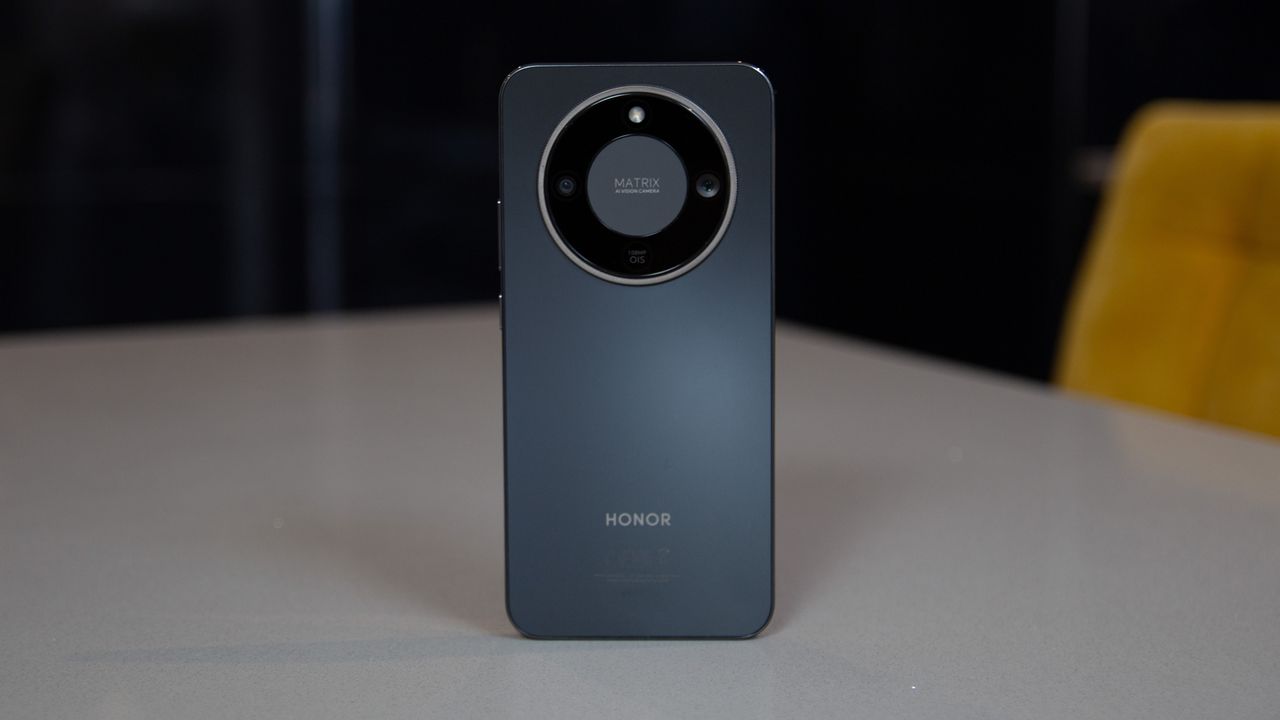
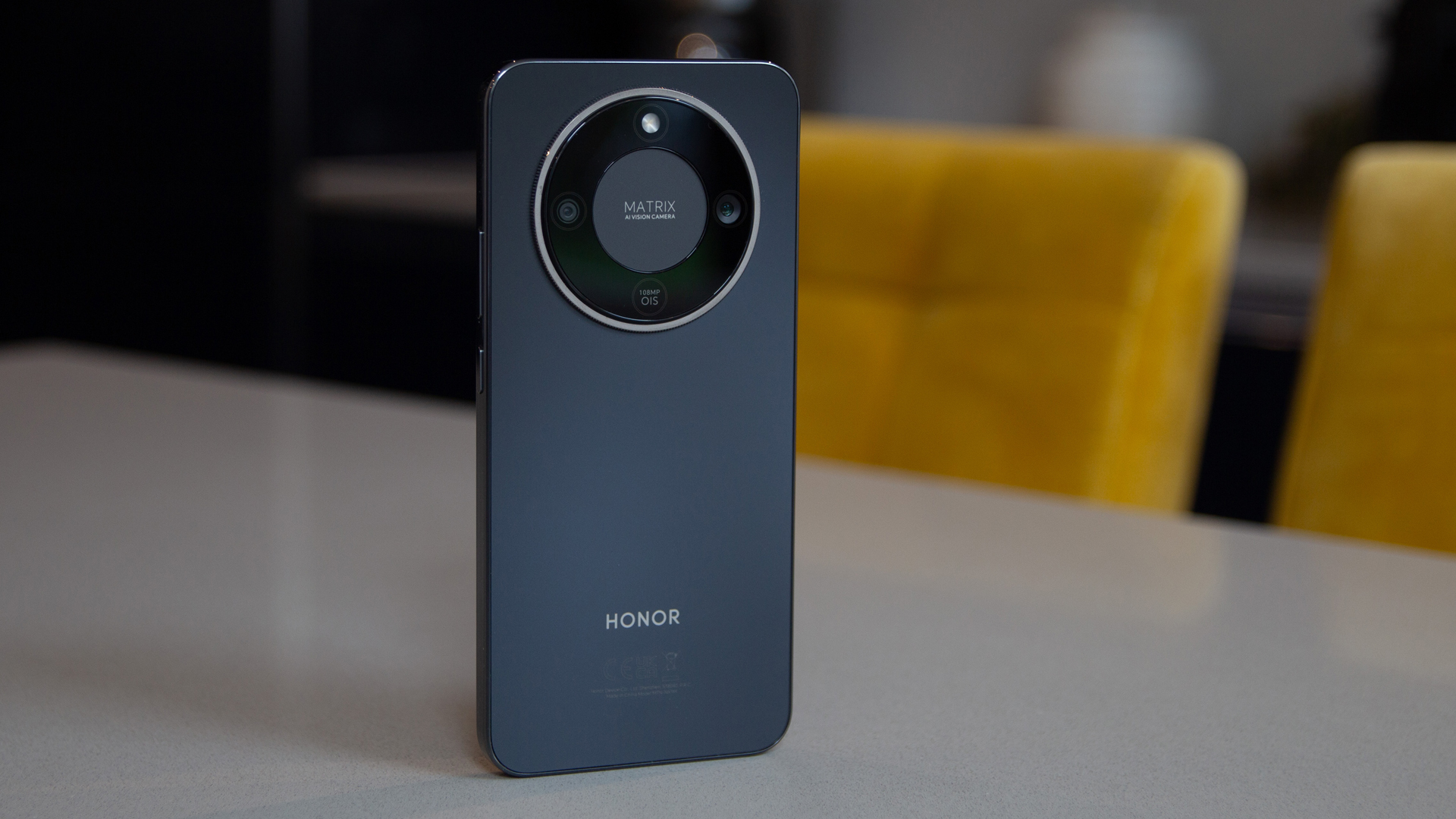
The Honor Magic 8 Lite replaces the Honor Magic 7 Lite, starting with a redesign, ushering in a squared frame and dropping the curves of the older device. It keeps the oversized camera on the back, which is designed to mimic the camera on the Honor Magic 8 Pro.
The size and weight is pretty much the same, as is the display size, type and resolution, but now with 6000 nits brightness. The phone sits in the same position, but upgraded to Snapdragon 6 Gen 4 hardware over Snapdragon 6 Gen 1.
The big change is the jump to the 7500mAh battery over the 6600mAh cell previously offered. Let's be clear, both are huge, but the 66W maximum charging speed remains.
Elsewhere, the Honor Magic 8 Lite launched on the outdated Magic OS 9, with 7 years of updates, so it will be well supported into the future.
Design & Display
- 6.79-inch AMOLED display
- 2640 x 1200 pixels (427ppi)
- 6000 nits peak brightness
- 120Hz refresh rate
(Image credit: Future / Chris Hall)
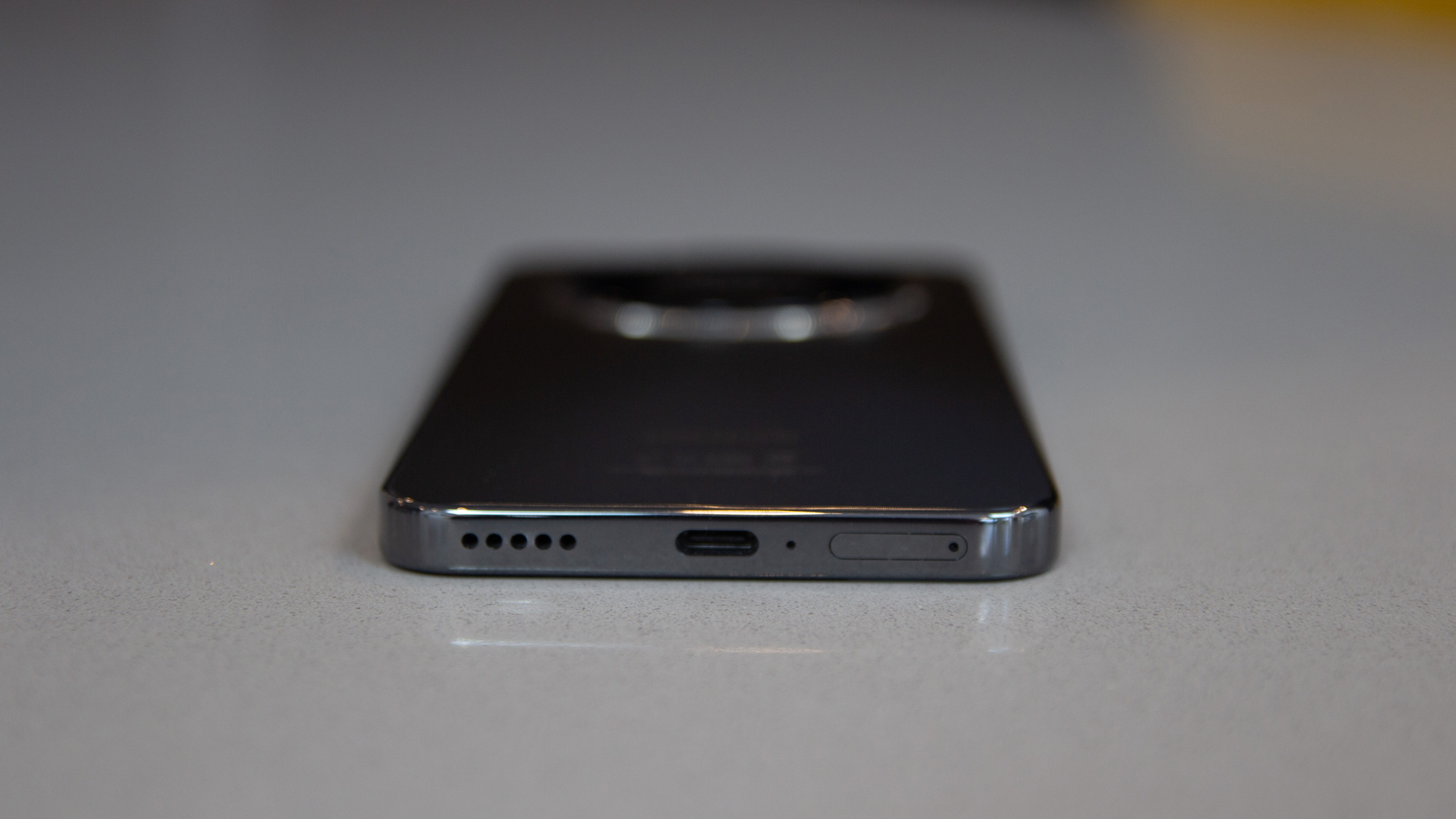
The Honor Magic 8 Lite has a plastic build, but the frame feels nice and solid, so it's not immediately obvious. The backplate is plastic and that's more obvious to the touch, although don't make the mistake of thinking that makes this phone weak.
The Magic 8 Lite has one of the highest protection ratings you'll find on a phone. Although not billed as a "tough" phone, it comes with 2.5m drop resistance and IP protection up to IP69K, outstripping many flagship devices.
I was invited to drop it in a kettle of boiling water, as well as subject the display to scratch tests, and I found it held up nicely. How about that for proper review testing?
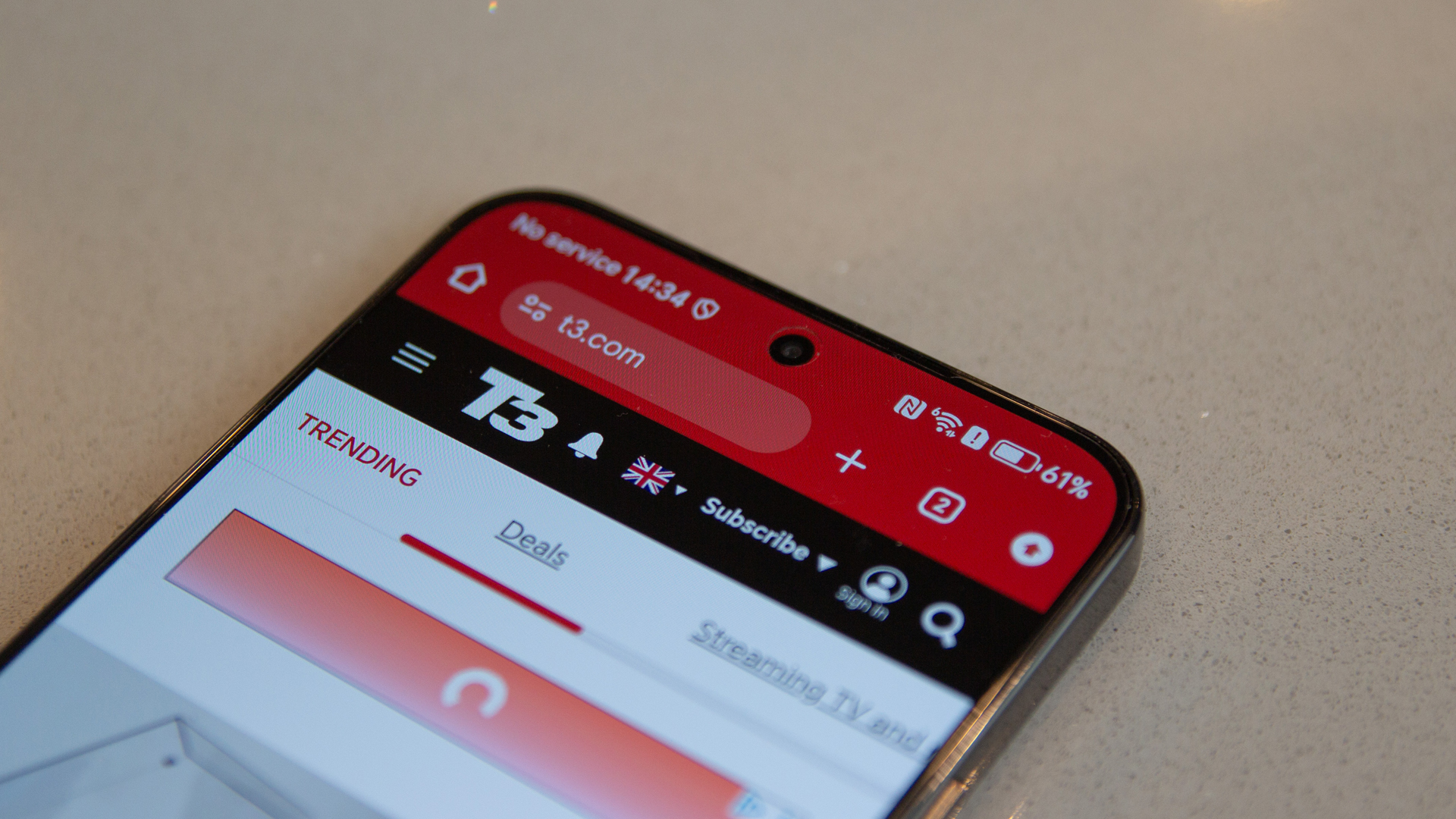
Be warned though: there's a factory-fitted screen protector that's a little soft, so for the uninitiated, it might appear as though the screen is picking up damage. It's not, it's just the protective layer.
(Image credit: Future / Chris Hall)
The phone isn't exceptionally pretty in my view, though, as the huge camera on the back seems out of place, especially given its modest offering.
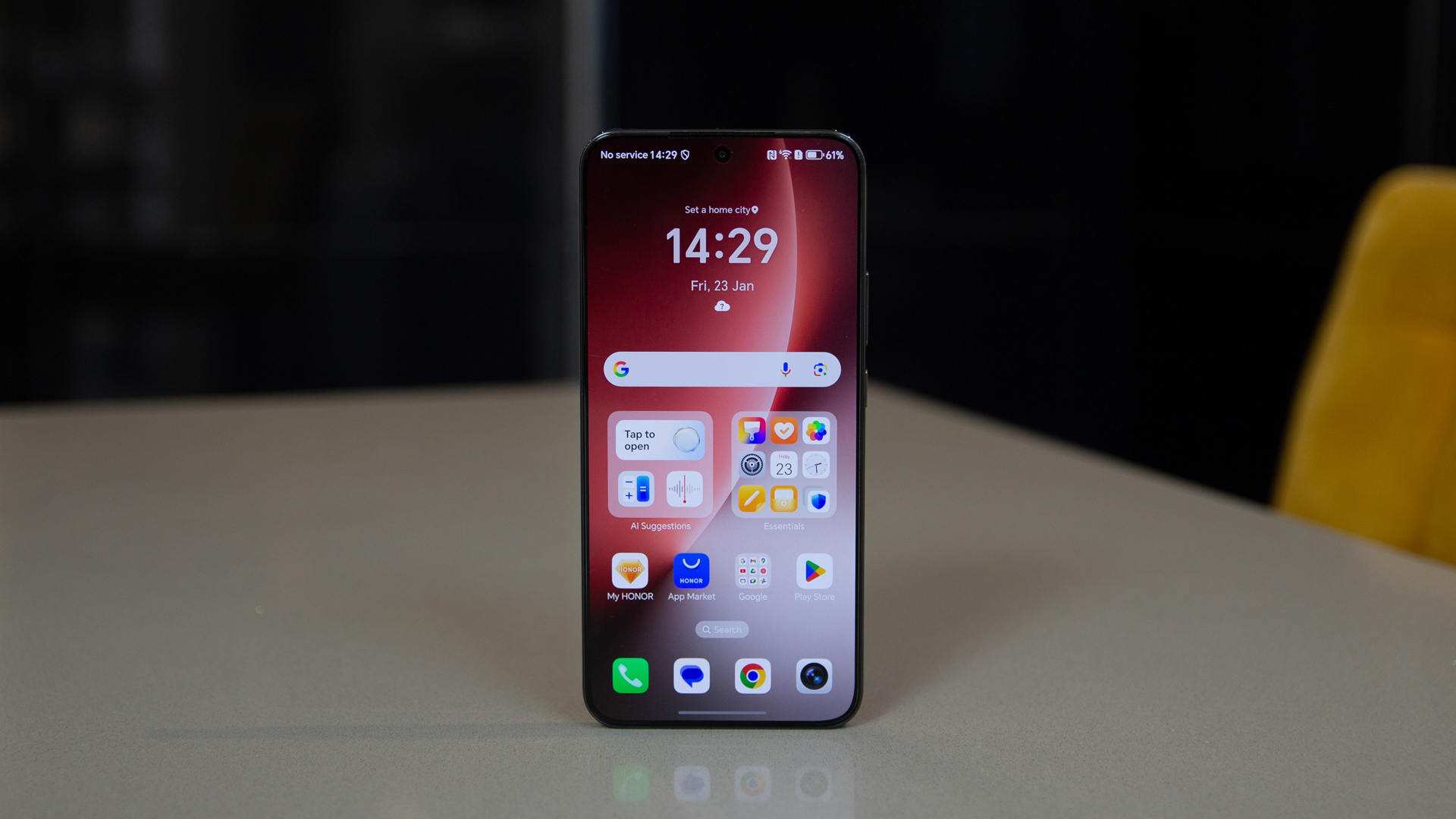
The display is difficult to complain about, with a large size, high resolution, 120Hz refresh and high brightness. It's rich in colour and nicely saturated, with options to tweak the colour space to your preference.
There's 6000 nits of claimed brightness, although that's reserved for HDR (high dynamic range) delivery. I compared it to the Pixel 10 Pro (which is 'only' 3300 nits) and didn't see a huge difference in the delivery between the two devices.
The Magic 8 Lite supports HDR10 and HLG (hybrid log gamma), but there's no sign of HDR10+ or Dolby Vision – which might make better use of that higher brightness.
Honor offers up to 1800 nits brightness in general use (that will be in high brightness outdoors conditions), and while I found it bright enough, it's not exactly clear where the super-high brightness claim pushes through – other than on the spec sheet.
Performance & Battery
- Snapdragon 6 Gen 4
- 8GB RAM; 512GB storage
- 7500mAh battery
- 66W wired charging
(Image credit: Future / Chris Hall)
The Snapdragon 6 Gen 4 powering the Magic 8 Lite marks this out as a lower-end mid-range device – and the core hardware is one of the weaker sides of this phone.
There's a noticeable difference in performance between this and higher-grade hardware, resulting in slightly slower daily use.
There's 8GB RAM on board, and in the UK the only option is for 512GB storage – but there are other configurations available in other regions. The storage level is generous for the asking price.
However, most of the conversation surrounding the Honor Magic 8 Lite will focus on the 7500mAh battery, which is colossal. In real-world tests, I've found this phone to last over 2 days and nights and easily into the third day. The fact that it's crammed into a phone that's no thicker than average sends a message to the rest of the category.
It's supported by 66W charging, which is faster than average and more expeditious than big brands like Google, Apple and Samsung. It means with the right charger you can top this phone up in an hour – or hit 50% in 30 minutes, remembering that 50% will basically last you a day-and-a-half.
It's not just physical capacity that provides that endurance, the use of lower power hardware helps. But some intensive tasks will drain it fast. I drove for 4 hours connected to an AAWireless adaptor for wireless Android Auto and found that it chewed through a lot more battery than I was expecting.
But overall, while the performance from the core hardware is nothing to get excited about, if you want a phone that will last longer than you will, the Honor Magic 8 Lite hits the mark. To top it off, Honor says that the battery is expected to give 6 years of "reliable performance".
Software
- Android 15 with Magic OS 9
- 7 years of updates
(Image credit: Future / Chris Hall)
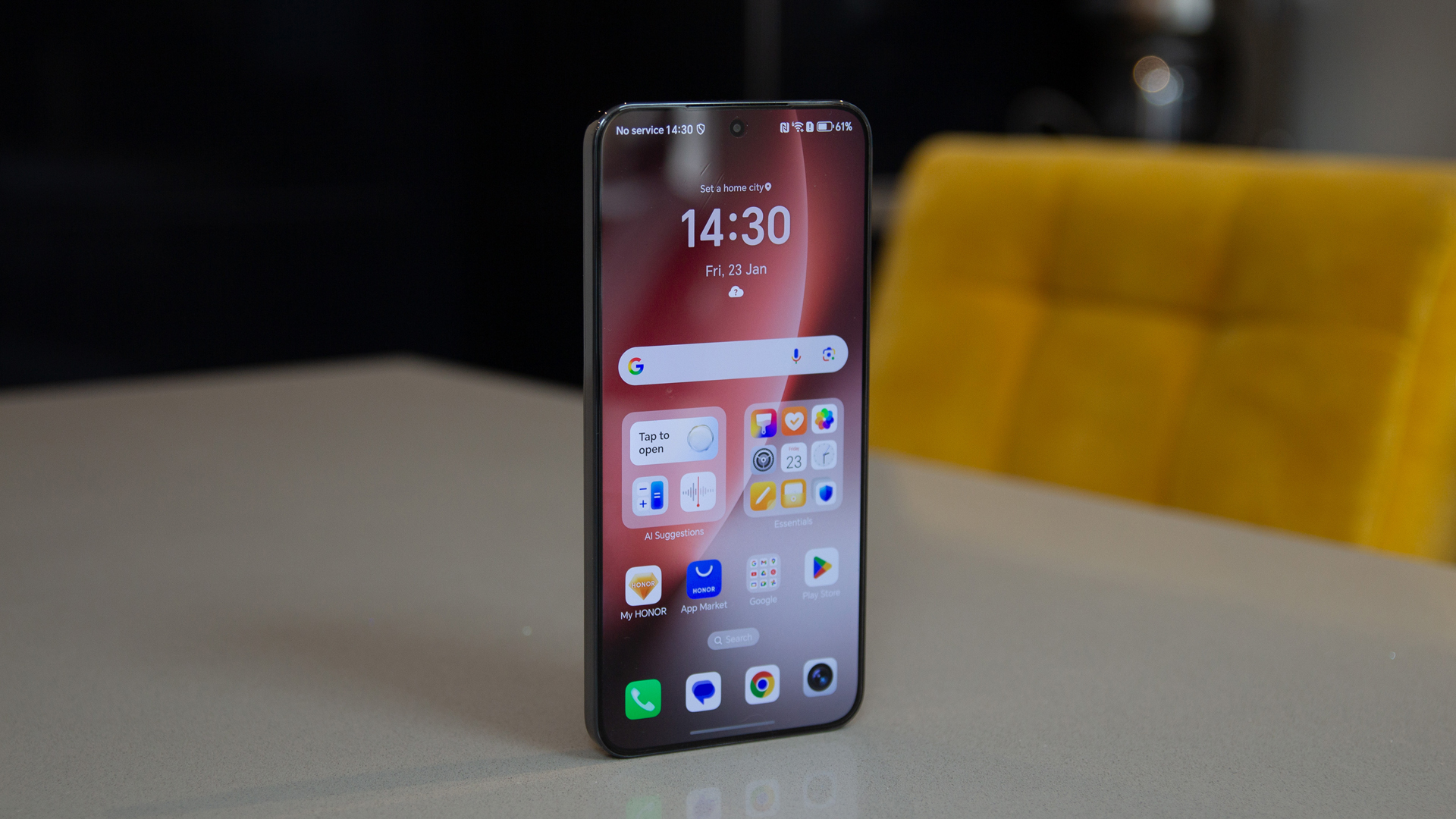
Honor tells me that the Honor Magic 8 Lite will have 7 years of updates, with the company taking software support seriously. In 2025 it announced it was moving to 6 years of updates for Magic devices and then it subsequently updated that again, which is fantastic news.
That adds long-term software security to go with the solid build and long battery life – so this is a phone that will go on and on.
Unfortunately, so does the setup process. As a reviewer I regularly switch phones within the Android ecosystem – and I have a reliable process that works. It's normally seamless, but moving from the Honor Magic 8 Pro to the Honor Magic 8 Lite wasn't as seamless as I liked.
The setup refusing the transfer of WhatsApp messages for whatever reason, so I ultimately had to move the archive back to a Pixel phone just to then move it to the Magic 8 Lite. Why does this matter? Because the software seems a little rocky on this Honor.
(Image credit: Future / Chris Hall)
Firstly and most obviously, I found it running on Android 15 with Magic OS 9, so a software generation behind the Honor Magic 8 Pro that launched at the same time. That's a bad starting point, but there's also a difference in software between Honor's flagships and its cheaper phones.
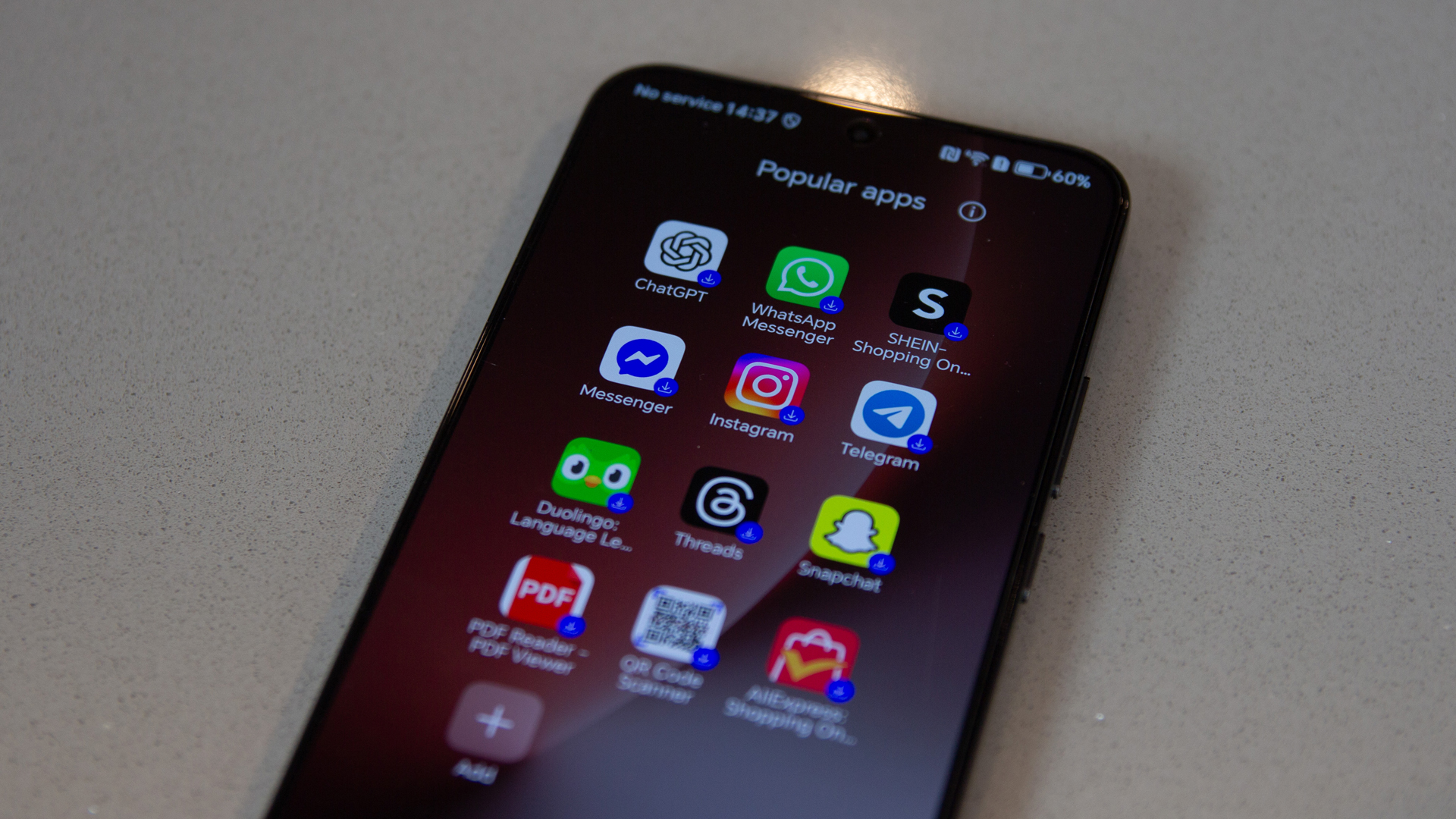
The interruptions trying to get me to install extraneous apps, the existing bloatware and app duplication is irritating – and had me wishing that everything was as smooth as it is on the Pixel 9a (which admittedly, is a little more expensive).
I also found that the backup I moved from the Honor Magic 8 Pro disabled some of the settings in the Honor Magic 8 Lite, meaning a full factory reset was needed to get access to things like Circadian Night Display (which adjusts the colour temperature of the display). Again, this points to slightly rocky software.
(Image credit: Future / Chris Hall)
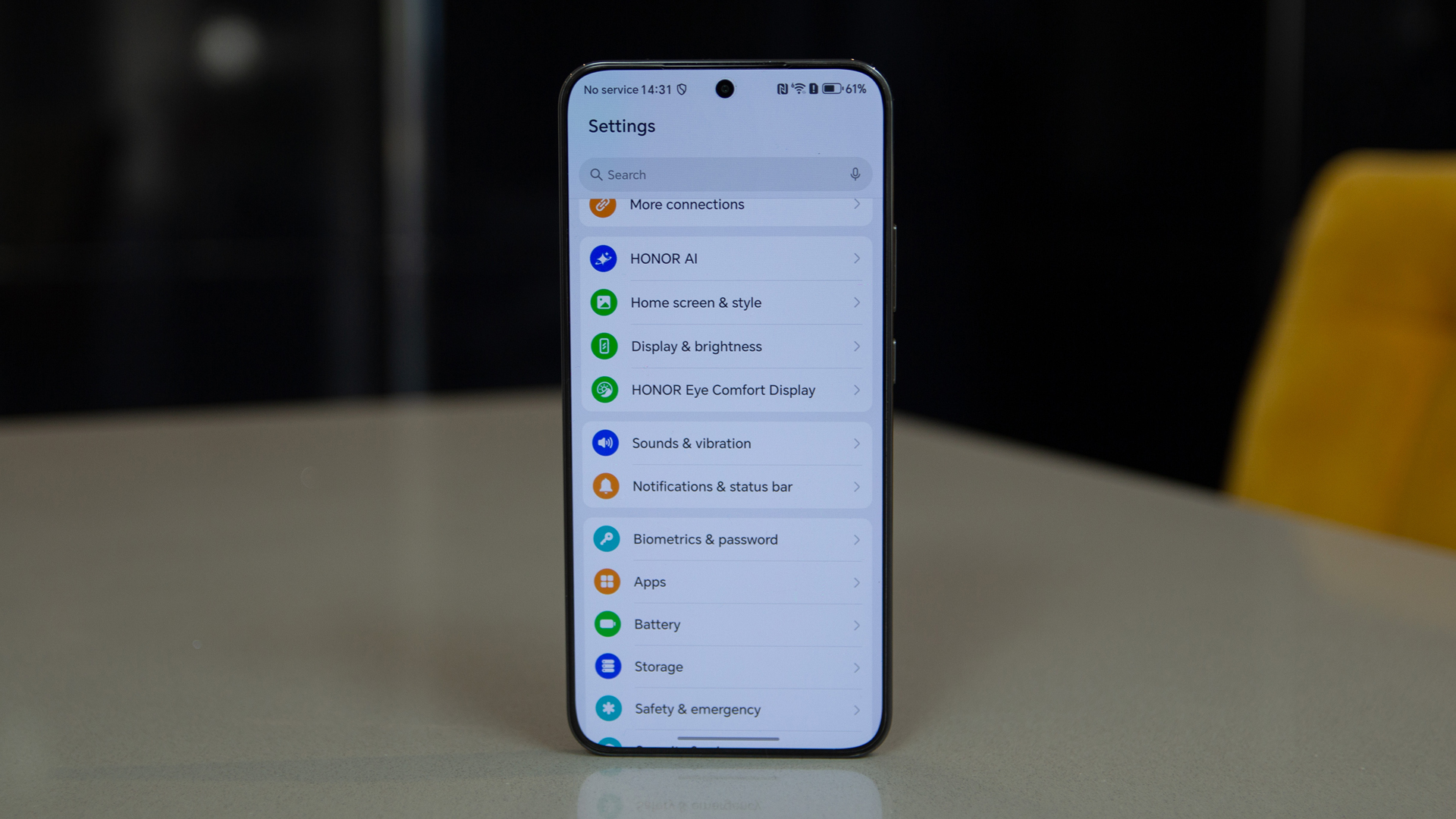
Honor's approach to software makes a lot of changes over stock Android, adding a lot of options. And while you get used to them over time, it feels like there's a lot to unpick to get the phone to behave.
Then there's a full range of AI (artificial intelligence) features. These aren't as pronounced as on the Magic 8 Pro, which has a dedicated AI button, but as is often the case, I stuck to using Google's Gemini, as its integration into its own apps and services is likely to do everything you want.
There are some AI editing options in Honor's Gallery, but that doesn't include my favourite – the reflection removal – which is about the only reason to use the Honor Gallery over Google Photos. Perhaps that will arrive with the Magic OS 10 update.
Cameras
- Double rear camera:
- Main: 108-megapixel, f/1.75 aperture, Autofocus (AF), Optical image stabilisation (OIS)
- Ultrawide: 5MP, f/2.2 aperture
- Single front selfie camera:
- 16MP, f/2.45
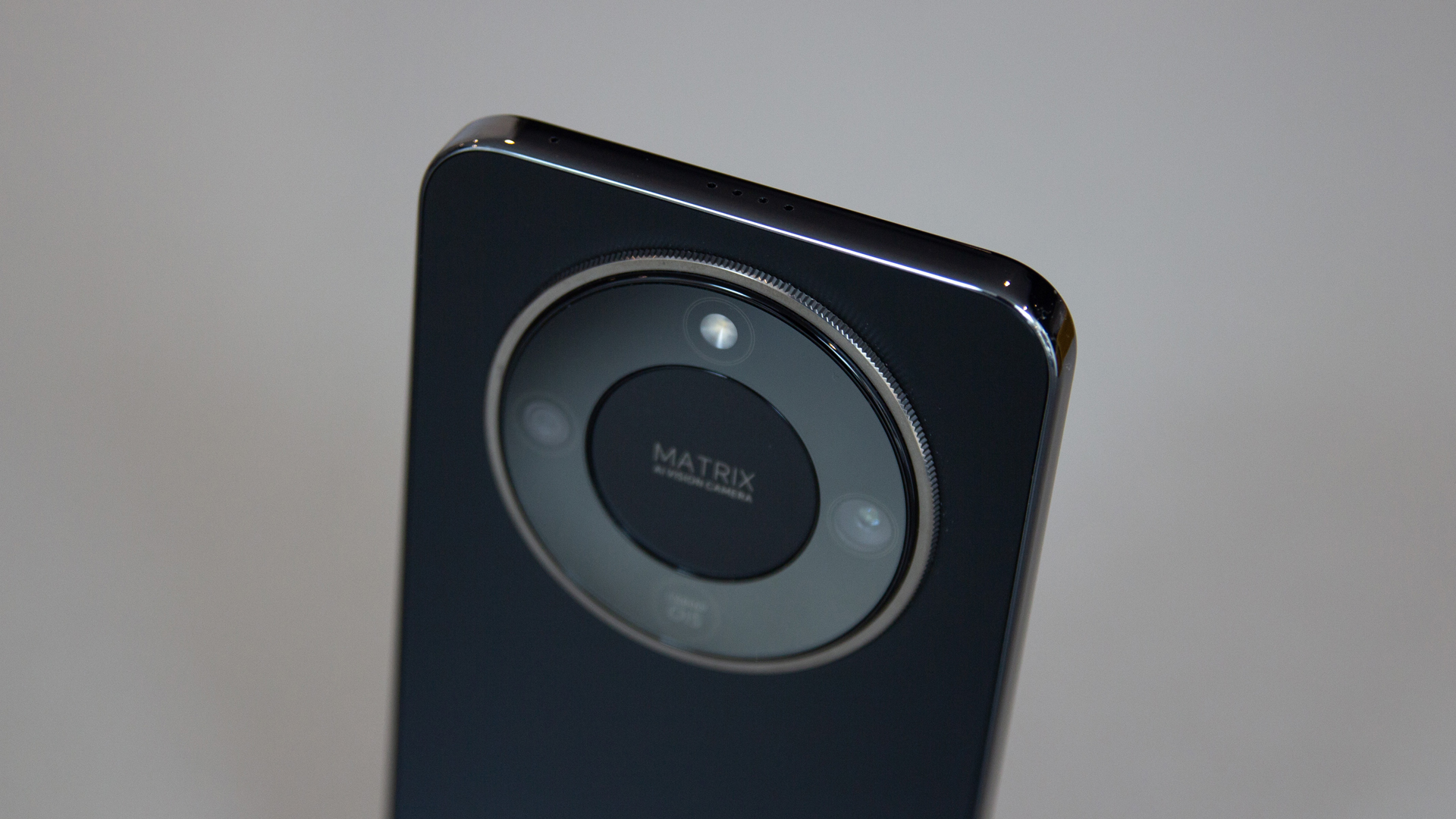
(Image credit: Future / Chris Hall)
The cameras on the Honor Magic 8 Lite haven't changed over previous versions of this phone. There's a feeling that they're there to get the job done rather than to dazzle you with the performance.
The 108-megapixels of the main camera might catch your eye, but in reality the performance doesn't quite stand up to the resolution it appears to promise.
Let's start with the obvious: the 5-megapixel ultrawide camera is generally poor. While it will give you that expansive view, it's best reserved for the brightest conditions, as its low-light performance is weak. It's also wildly different in tone to the main camera, so photos look like they were taken in totally different conditions.
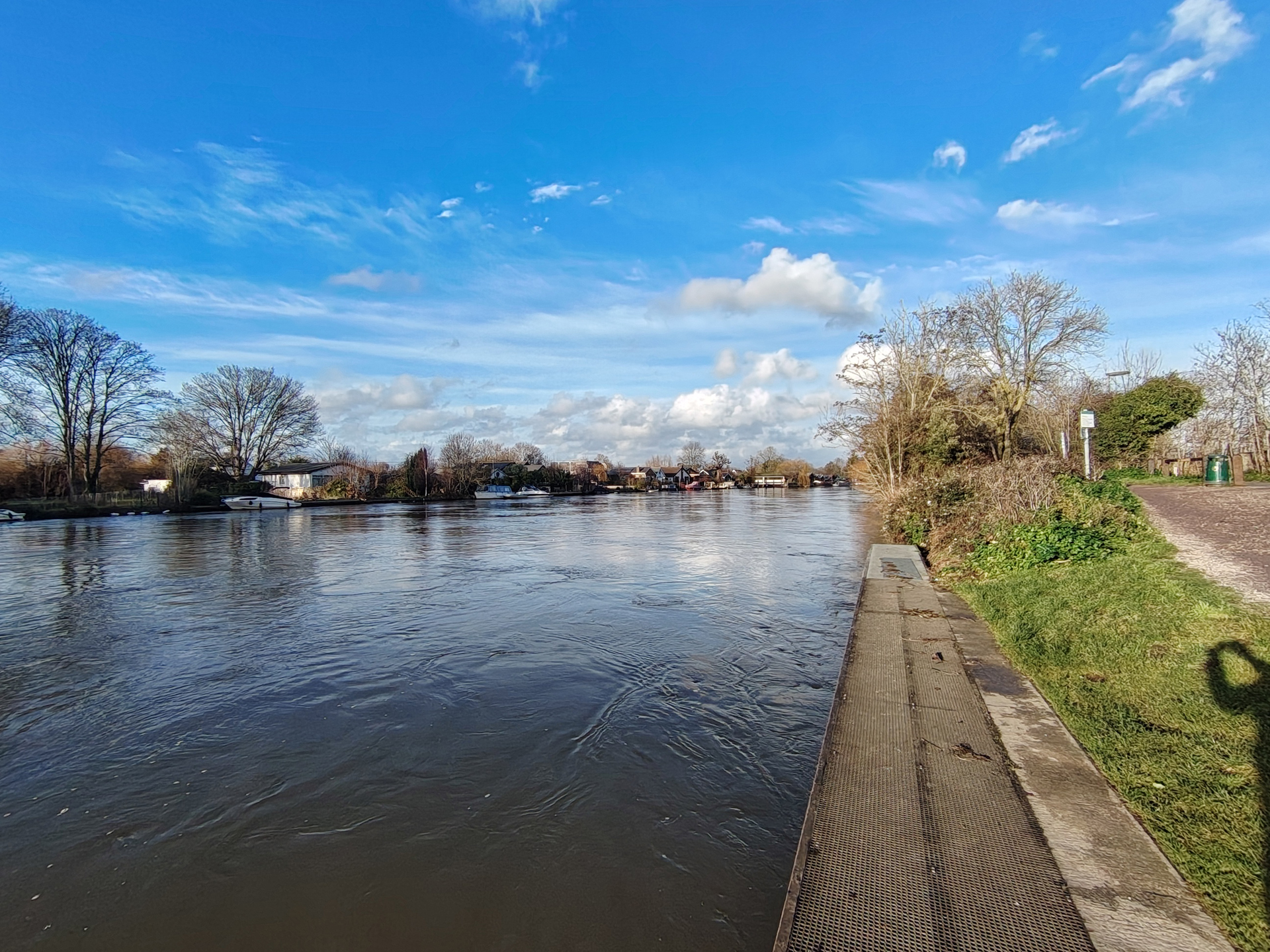
0.5x ultrawide (Image credit: Future / Chris Hall)

1x main camera (Image credit: Future / Chris Hall)

3x digital zoom (Image credit: Future / Chris Hall)

10x digital zoom (Image credit: Future / Chris Hall)
Equally, the selfie camera is perfunctory at best – it will take a selfie, but there's nothing exciting about it. The bokeh effect offered by the Portrait mode is so subtle you might miss it – I'd be tempted to add it via AI instead.
The main camera is decent, but despite the 108-megapixels, I'd avoid the temptation to zoom. While some phones offer high-resolution sensors to enable better zoom through sensor cropping, that's not what's happening here. Even 3x zoom images show degradation in quality.
It supports up to 10x digital zoom, but the results are weak, so it's best avoided.
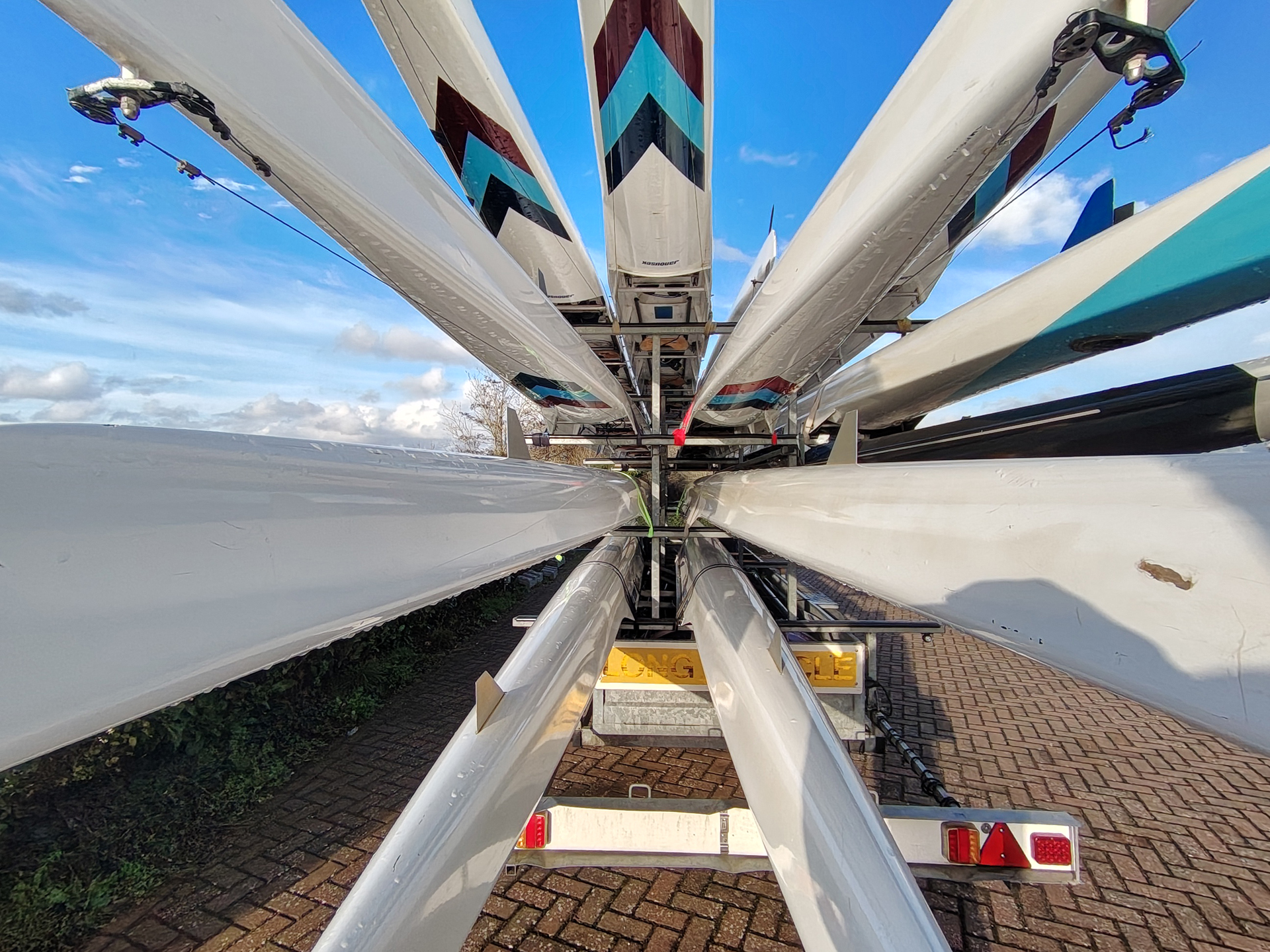
(Image credit: Future / Chris Hall)

(Image credit: Future / Chris Hall)
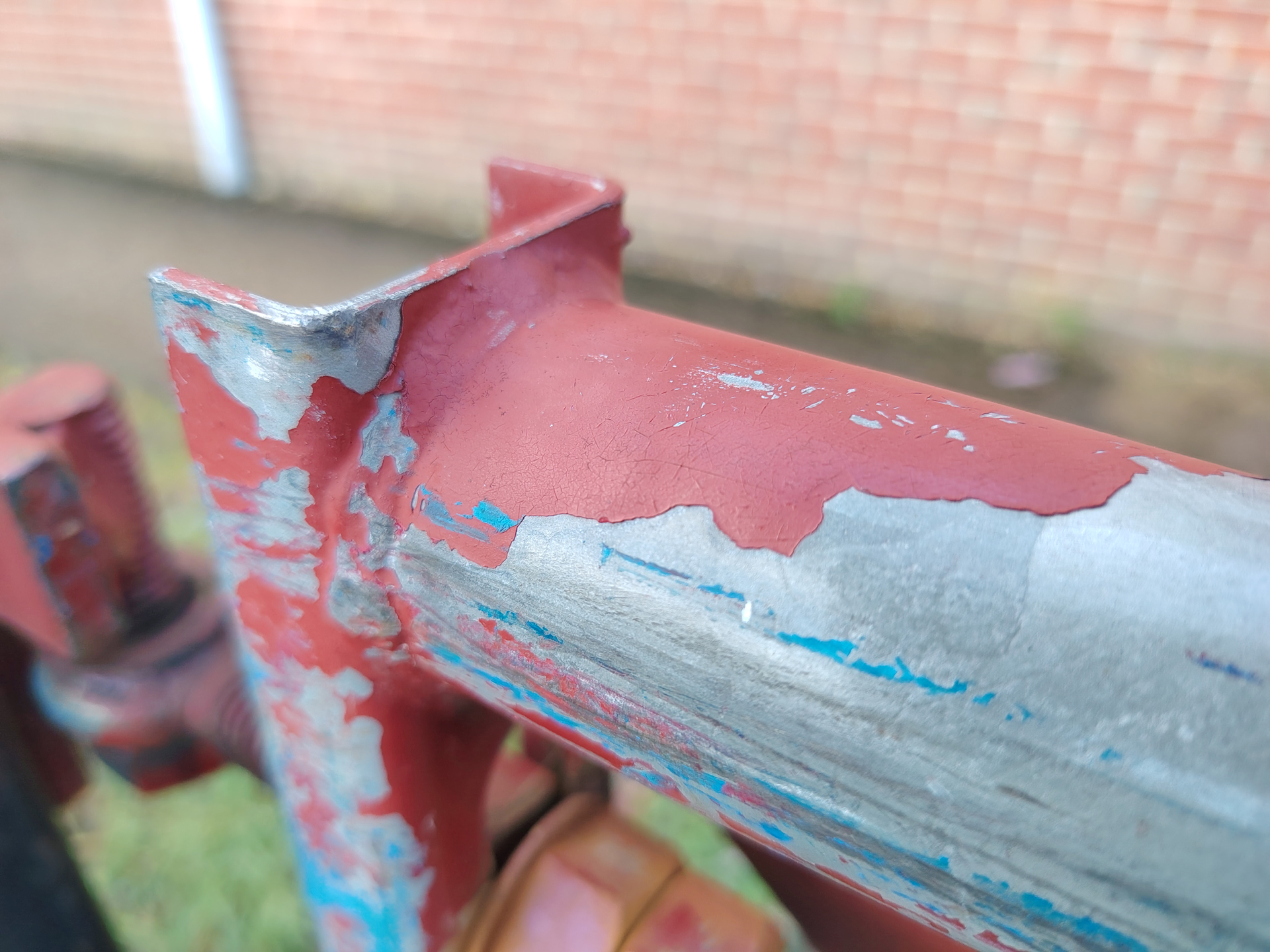
Shallow depth of field (Image credit: Future / Chris Hall)

Front camera (Image credit: Future / Chris Hall)

Front camera - portrait (Image credit: Future / Chris Hall)
The f/1.75 aperture is designed to boost low-light performance, but typically low-light images are noisy, even in daylight indoors. The aperture therefore means a shallow depth of field – see the flakey paint photo in the gallery above to see what I mean.
In short: the Magic 8 Lite's camera performance matches this phone's positioning, towards the entry-level end of the scale.
Honor Magic 8 Lite review: Verdict
The Honor Magic 8 Lite marks itself out for the long battery life, which is exceptional given the price.
The high level of protection and the long software support puts this phone forward as a device you can invest in and keep for many years, knowing that it will last. The fast charging and the display are also obvious highlights.
This is a mid-range phone, though, with core performance reflects that, combined with a camera that will just about get the job done but isn't hugely exciting. The software it launches on is an out-of-date version with some issues, too.
There's competition in this space, but the battery experience of the Honor Magic 8 Lite leads the way. If it's higher performance or camera that's your main priority, however, then look elsewhere.
Also consider
The Google Pixel 9a is the phone of choice for those wanting a great camera experience at the affordable end of the scale, although priced at £499 it's a little more expensive than the Honor Magic 8 Lite. Recent reductions might make it more attractive, but it rivals the Honor with 7 years of software support, more power, and a clean software experience. The battery life is nowhere near as long though.
The Nothing Phone (3a) Pro offers an interesting alternative with a unique design and software experience, while offering more power and a telephoto lens to widen the appeal of the cameras. It's available for around the same price, too.

-
 C114 Communication Network
 -
 Communication Home
