
 Search

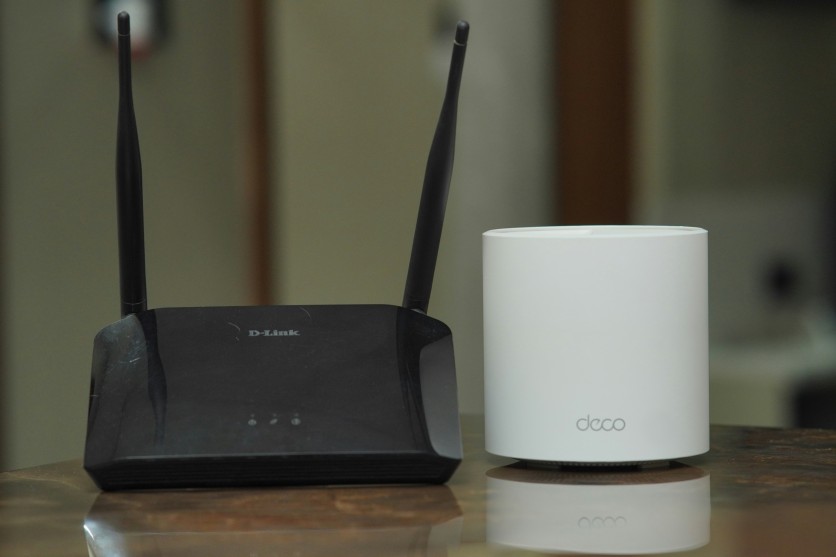
TechieTech Tech/Unsplash
Mesh WiFi systems are redefining home networking by eliminating dead zones and providing consistent coverage across large homes. Unlike traditional routers, which often struggle to reach beyond a 1,500 sq ft radius, mesh setups blanket up to 5,000 sq ft, ensuring uninterrupted connectivity for streaming, gaming, and remote work. Tri-band backhaul dedicates channels exclusively for inter-node communication, preserving client speeds on 2.4GHz and 5/6GHz bands without compromise.
The self-configuring nature of mesh satellites simplifies WiFi management, automatically optimizing channels and reducing interference troubleshooting by up to 90%. Modern mesh WiFi systems also integrate advanced apps for parental controls, guest network management, and bandwidth prioritization, allowing households to efficiently manage dozens of devices while maintaining robust performance. These systems are shaping the future of home networking with reliability and ease of use.
What is a Mesh WiFi System?
A mesh WiFi system is a network of multiple devices, or nodes, that work together to provide seamless wireless coverage throughout a home. Unlike traditional routers that rely on a single access point, mesh nodes communicate with each other to create a unified network, ensuring strong signal strength in every room. Each node automatically optimizes its channel and signal path, reducing interference and dead zones without requiring manual adjustments.
Mesh WiFi systems are ideal for multi-story homes, large apartments, and environments with obstacles like walls or furniture that typically weaken WiFi signals. They maintain a single SSID, so devices roam seamlessly between nodes without dropping connections. Advanced systems also include features like tri-band backhaul, MU-MIMO for simultaneous device support, and integrated smart home hub capabilities, making them both efficient and convenient for modern households.
Mesh WiFi Systems Enhance Connectivity and Performance
Mesh WiFi systems are designed to provide seamless connectivity across an entire home. Devices automatically connect to the strongest node with roaming times under 50ms, preventing streaming drops during room transitions. Advanced network management apps further enhance home networking by offering dynamic bandwidth prioritization, guest isolation, and parental controls.
- Unified SSID ensures devices always connect to the optimal node automatically.
- Roaming times under 50ms eliminate buffering when moving between rooms.
- Apps allow dynamic bandwidth allocation for gaming, streaming, or video calls.
- Parental controls block 10,000+ unsafe websites across connected devices.
- Guest network features maintain privacy without impacting main network speeds.
- Ethernet backhaul enhances throughput, reducing speed loss by 50% in multi-hop setups.
Read more: Secure Wi-Fi Tips: Boost Router Security and Protect Your Home Network from Hackers
WiFi Coverage and Security Improvements
Mesh WiFi coverage extends reliably across multi-story homes, penetrating walls and concrete floors more effectively than router-extender combinations. Security is a top priority, with WPA3 encryption safeguarding all connected devices. Firmware updates are automated, patching vulnerabilities rapidly to protect against zero-day threats.
- Tri-band mesh nodes reduce congestion by dedicating channels to node communication.
- Self-configuring satellites optimize signal channels automatically.
- Single-network SSID simplifies device management across all floors.
- Coverage scales easily by adding nodes to meet household demands.
- Integrated security protocols prevent unauthorized access and network breaches.
- Multi-floor homes benefit from even distribution, outperforming traditional range extenders.
Advanced Home Networking Features and Device Support
Modern mesh WiFi systems not only expand coverage but also enhance device management for smart homes. MU-MIMO technology supports simultaneous high-bandwidth streams for multiple clients, ensuring no buffering. AI-driven channel selection improves throughput by avoiding interference, while integrated smart home hubs consolidate control of Zigbee and Z-Wave devices.
- Supports 200+ devices simultaneously without performance degradation.
- MU-MIMO allows 4K streaming to multiple clients simultaneously.
- Signal strength heatmaps visualize WiFi performance throughout the home.
- AI channel selection dynamically optimizes network speed.
- Smart home integration eliminates the need for multiple hubs.
- Self-healing topology reroutes connections automatically if a node fails.
Conclusion
Mesh WiFi systems represent a significant evolution in home networking, providing reliable, high-speed coverage across every corner of modern households. Unlike traditional routers, these systems eliminate dead zones, maintain consistent connectivity for dozens of devices, and simplify network management through unified SSIDs and automated configuration. Advanced features such as MU-MIMO, AI-driven channel selection, and tri-band backhaul ensure that performance is optimized for gaming, streaming, remote work, and smart home automation simultaneously.
In addition, mesh WiFi systems enhance security and scalability, supporting growing households and smart home ecosystems. Self-healing nodes and integrated apps provide real-time insights and control, making network maintenance effortless. With expanded WiFi coverage, robust device support, and simplified management, mesh WiFi systems have become the preferred solution for modern home networking, replacing single-router setups comprehensively.
Frequently Asked Questions
1. What is a mesh WiFi system?
A mesh WiFi system is a network of nodes that work together to provide seamless WiFi coverage throughout a home. Each node communicates with others to optimize signal strength automatically. This eliminates dead zones common in single-router setups. Mesh systems also maintain a single SSID for easy connectivity across devices.
2. How does mesh WiFi improve home networking compared to traditional routers?
Mesh WiFi extends coverage by using multiple nodes instead of a single access point. It reduces buffering and dead zones, especially in multi-story homes. Nodes communicate over dedicated backhaul channels to preserve client speeds. It also allows easy scaling by adding more nodes without complex setup.
3. Are mesh WiFi systems secure?
Yes, modern mesh systems use WPA3 encryption to protect all connected devices. Firmware updates are automated, patching vulnerabilities quickly. Guest networks and parental controls add additional security layers. Advanced systems also detect and isolate potential threats in real time.
4. Can mesh WiFi support smart home devices?
Mesh WiFi is ideal for smart homes, supporting hundreds of connected devices simultaneously. Many systems integrate Zigbee and Z-Wave hubs, allowing control from a single app. MU-MIMO technology ensures multiple devices can stream or communicate without interference. Signal optimization and AI channel selection maintain fast, stable connectivity.
Read more: Top 10 Internet Hacks Every Modern User Should Know for Smarter and Safer Browsing

-
 C114 Communication Network
 -
 Communication Home
