
 Search

Abdullah Abid/Unsplash
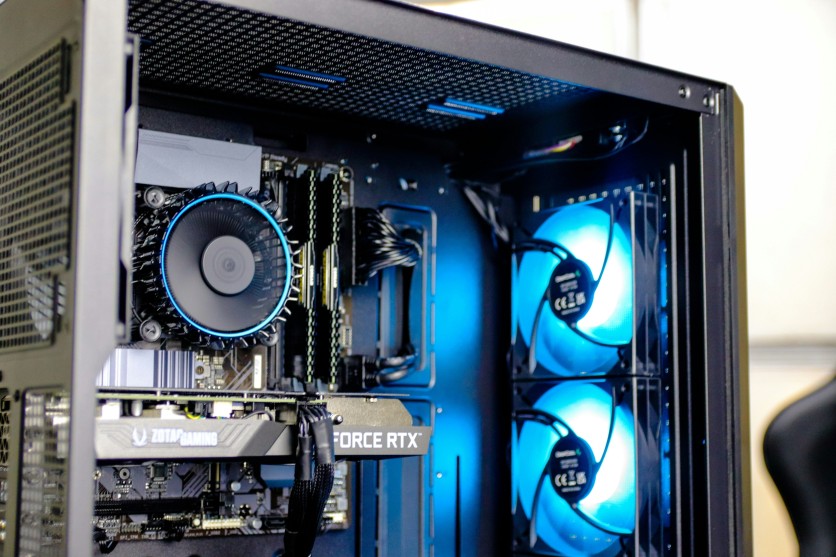
Building a gaming PC build 2026 revolves around next-generation hardware capable of pushing 8K, 240Hz gaming with full path tracing. The combination of an RTX 6090 and the Zen 6 Ryzen 9 11950X3D unleashes unprecedented rendering power, enabling ultra-smooth gameplay even in the most demanding engines. As the industry shifts toward UE6 and real-time global illumination, this level of performance ensures your system stays competitive for years. Even as game worlds grow larger and more detailed, high-bandwidth memory and advanced AI upscaling help maintain stable frame rates.
This guide focuses on selecting the best PC parts without overspending, while still ensuring headroom for future technologies. With PCIe 6.0, DDR6, liquid metal cooling, and ultra-fast NVMe drives, a high-performance build has become more accessible to enthusiasts. Whether upgrading or starting fresh, this 2026 configuration maximizes speed, thermals, and reliability.
Best PC Parts for Core Power
The best PC parts define the performance ceiling of your gaming rig, determining how smoothly next-gen games run. Choosing the right CPU ensures your system handles complex physics, AI calculations, and multitasking without bottlenecks. A top-tier GPU delivers ultra-realistic ray tracing, high FPS, and supports 8K rendering for future-proof gaming. The motherboard ties it all together, providing PCIe lanes, expansion options, and connectivity to maximize the potential of your components.
- CPU: Ryzen 9 11950X3D with 24 cores, 3D V-Cache, 256MB cache, optimized for high FPS and 8K gaming. Handles UE6 ray tracing and heavy multitasking with minimal thermal throttling.
- GPU: RTX 6090 48GB GDDR7X, capable of 8K 120FPS, DLSS 5 acceleration, and real-time path tracing. Perfect for ultra settings in AAA titles and future titles with AI-enhanced graphics.
- Motherboard: X970 chipset supporting DDR6-10000 memory, 7x PCIe 6.0 M.2 slots, WiFi 8E, and extensive I/O options. Offers robust VRM design for overclocking and long-term system stability.
Read more: Gaming PC Upgrade Guide: 10 Ways to Improve Performance Without Overspending
High Performance Build Memory, Storage & Power
Memory, storage, and power supply are the backbone of a high-performance build, ensuring the system runs reliably under extreme workloads. Fast RAM allows real-time processing of textures, physics, and large open worlds without stuttering. Next-gen storage dramatically reduces loading times, making open-world and VR gaming seamless. A high-capacity PSU maintains stable power for demanding CPUs and GPUs, while leaving room for future upgrades.
- RAM: 96GB DDR6-9600 CL36 (Corsair Dominator Titanium) with 250GB/s bandwidth. Supports 3D rendering, multitasking, and memory-intensive simulations without slowdown.
- Storage: 8TB PCIe 6.0 NVMe SSD (WD Black SN850X3) with 20,000MB/s read speed, enabling instant game loading and direct storage for large projects. Reduces bottlenecks in open-world gaming and mod-heavy setups.
- PSU: Seasonic Prime TX-1600 80+ Titanium, capable of powering RTX 6090 and overclocked Zen 6 CPUs. Provides headroom for future upgrades and long-term reliability in high-performance builds.
Cooling, Case, and Peripherals for a Gaming PC Build in 2026
For a gaming PC build 2026, thermal management is crucial to maintain performance and component longevity. Liquid cooling solutions prevent thermal throttling, allowing the CPU and GPU to run at peak efficiency. A well-designed case ensures proper airflow, dust filtration, and compatibility with large radiators. Premium peripherals enhance gameplay precision, immersion, and comfort, completing the ultimate gaming experience.
- Cooling: NZXT Kraken Elite 420 liquid metal AIO keeps the Ryzen 9 11950X3D under 60°C even during heavy AVX-512 workloads. Features software-controlled fans and pump for silent operation.
- Case: Fractal Design Meshify 3 XL supports 500mm radiators, vertical GPU mounts, and large-scale custom loops. Excellent airflow and modular design for easy upgrades.
- Peripherals: Razer DeathAdder V5 8KHz mouse, SteelSeries Nova Pro Wireless DAC keyboard, and low-latency VR headset support ultra-responsive gaming. Optimized for FPS, simulation, and VR titles with minimal input lag.
Conclusion
A gaming PC build for 2026, designed with the best PC parts, offers unmatched power, seamless multitasking, and top-tier rendering capabilities. With advancements in GPU ray tracing, DDR6 memory speeds, and PCIe 6.0 storage bandwidth, PC hardware is pushing beyond previous limitations. This level of performance ensures smooth 8K gaming, lightning-fast loading, and optimized system responsiveness for years to come.
A high-performance build also offers an excellent long-term investment, as these components remain relevant well into the 2030s. Whether you are a competitive gamer, a content creator, or a technology enthusiast, this system provides flexibility and durability. With proper cooling, strong power delivery, and upgrade-ready parts, this gaming PC ensures stability, efficiency, and exceptional performance across the next decade.
Frequently Asked Questions
1. RTX 6090 vs RX 9900 XTX for a gaming PC build 2026?
The RTX 6090 delivers around 50% stronger ray-tracing performance, making it the better choice for path-traced titles and 8K gaming. AMD's RX 9900 XTX still excels in rasterization and value, providing strong framerates at a lower price. For content creators, NVIDIA also has DLSS 5 and AI tools that give it an additional advantage. Ultimately, the RTX 6090 is the premium option, while AMD remains the efficiency leader.
2. Is the Zen 6 X3D the best PC parts CPU for a 2026 high-end system?
Yes, the Zen 6 X3D lineup offers the strongest 4K gaming performance due to massive V-Cache and efficient boost clocks. It surpasses Intel's Arrow Lake refresh by about 25% in real gaming benchmarks. Its performance remains consistent even under heavy workloads thanks to advanced thermal optimization. For long-term gaming builds, it is the top choice for CPUs.
3. Does DDR6 make a noticeable difference in a high performance build?
DDR6 provides double the bandwidth of DDR5 and significantly lower latency, improving smoothness in large open-world games. Texture streaming, simulation titles, and AI-driven workloads benefit most from the increased speed. Multitaskers also notice improved responsiveness with large memory kits. While DDR5 remains acceptable for budget systems, DDR6 is the clear standard for high-end 2026 builds.
4. Are PCIe 6.0 SSDs actually useful for gaming?
Yes, PCIe 6.0 SSDs drastically reduce load times, especially in DirectStorage 3.0-enabled games. Large world assets can stream instantly, eliminating stutters and improving immersion. System boot times, application launches, and file transfers also become nearly instantaneous. While current games don't fully use the bandwidth, future titles built for UE6 will benefit significantly.
Read more: How to Clean Your Gaming PC Safely: Proper Dust Cleaning and PC Maintenance Tips

-
 C114 Communication Network
 -
 Communication Home
