
 Search

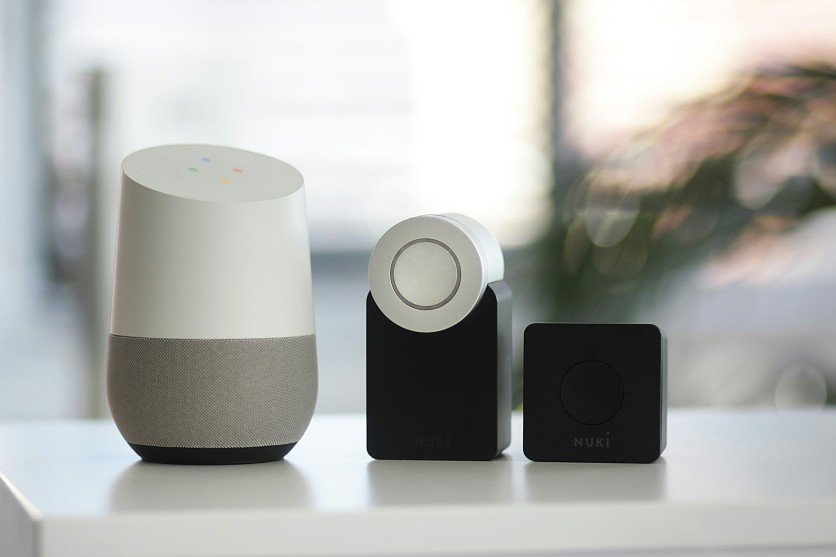
Sebastian Scholz Nuki/Unsplash
The rise of smart homes has made everyday life more convenient with connected devices like smart refrigerators, thermostats, washing machines, and security cameras. These appliances simplify routines, improve energy efficiency, and allow remote control from anywhere. However, this increasing connectivity also attracts cybercriminals who exploit vulnerabilities in smart devices to access personal data, spy on homeowners, or infiltrate home networks.
Prioritizing smart appliance security is now essential for protecting both privacy and functionality. Implementing strong IoT hacking prevention strategies—such as secure network setup, regular firmware updates, and device monitoring—ensures that your home security tech supports you rather than exposing you to risk. A proactive approach can safeguard your digital life and keep connected devices running safely and efficiently.
Essential Network and Device Setup for IoT Hacking Prevention
Protecting your smart appliances begins with a secure network setup. Using strong, unique Wi-Fi passwords and enabling WPA3 encryption provides a first line of defense against intruders. Separating your devices from critical networks adds another layer of protection; creating VLANs or a dedicated guest network ensures that if one appliance is compromised, hackers cannot access your computers, phones, or sensitive data.
Default passwords are an open invitation for cyber attacks. Always change default credentials on every smart device and enable two-factor authentication where available to further reduce risk. By addressing vulnerabilities in the initial setup, homeowners significantly decrease the likelihood of unauthorized access, forming the foundation of effective IoT hacking prevention.
Key Setup Steps to Enhance IoT Security:
- Use strong, unique Wi-Fi passwords and enable WPA3 encryption for your home network to prevent unauthorized access.
- Create separate networks for smart appliances and personal devices using VLANs or guest networks, isolating critical devices from potential breaches.
- Change default credentials on all devices immediately after setup, as default usernames and passwords are a common attack vector.
- Enable two-factor authentication (2FA) where available to add an extra security layer for device access.
- Regularly review connected devices and remove any that are unused or unknown to reduce attack surfaces.
- Disable unnecessary features or remote access options on devices that aren't needed for daily use.
- Set up automatic updates so firmware and software patches install promptly without manual intervention.
- Use network monitoring tools to track unusual activity, unauthorized logins, or unexpected data usage.
- Document and label devices on your network, making it easier to spot new or suspicious connections quickly.
- Educate household members about safe device usage, phishing scams, and avoiding insecure Wi-Fi networks.
Maintenance Practices Enhancing Home Security Tech
Even with a secure network, smart devices remain vulnerable without ongoing maintenance. Regularly updating firmware and software patches known security flaws in your appliances. Many manufacturers release updates specifically addressing newly discovered vulnerabilities, so staying current is essential for preventing cyber intrusions.
Monitoring tools offer an extra layer of protection. Network monitoring systems can detect unusual traffic, unexpected device connections, or abnormal behavior, providing early warnings of potential breaches. Some advanced smart appliances include built-in alerts for suspicious activity, helping homeowners respond quickly to threats.
Newer devices equipped with security chips and secure boot features ensure that appliances run only verified, safe code, further strengthening your home security tech. Additionally, reviewing device logs periodically and auditing connected devices can help identify unauthorized access attempts. Combining updates, monitoring, advanced security hardware, and proactive device management creates a robust defense against cyber threats targeting smart homes.
Read more: Future Tech 2030: 12 Upcoming Innovations and Tech Predictions That Will Transform Our Lives
Choosing Devices With Built-In Security Features
When selecting smart appliances, security should be a top priority. Devices with built-in protections reduce the risk of cyber attacks and simplify long-term maintenance. Choosing products designed with robust security features ensures safer connectivity and peace of mind.
- Look for appliances with built-in encryption to protect data transmitted over networks.
- Prioritize devices that support automatic firmware and software updates for ongoing protection.
- Ensure strong authentication features like two-factor authentication or biometric access.
- Check for tamper-resistant components to prevent physical and digital interference.
- Verify that communications between devices and apps are securely encrypted.
These features collectively create a stronger foundation for smart appliance security and reduce the need for constant manual intervention.
Conclusion
Protecting your smart home goes beyond simply installing the latest devices. A secure network setup, including strong passwords, WPA3 encryption, and segmented networks, forms the first line of defense. Coupled with regular firmware updates, monitoring unusual device behavior, and using appliances with built-in security features, these measures significantly reduce the risk of cyber attacks. Proactive management ensures that your home security tech remains reliable while keeping your personal data safe from intruders.
Choosing smart appliances with robust encryption, automatic updates, and strong authentication further strengthens your digital defenses. By combining careful device selection with vigilant network and maintenance practices, homeowners can enjoy the convenience of connected living without compromising security, making smart appliance security an essential part of modern households.
Frequently Asked Questions
1. Do smart appliances need antivirus software?
Most smart appliances do not support traditional antivirus software. Instead, focus on network security, device updates, and built-in protections.
2. How often should smart appliance firmware be updated?
Check for updates regularly, ideally every few weeks or when manufacturers release security patches.
3. Can hackers control my smart fridge remotely?
Yes, unsecured devices can be compromised remotely. Strong passwords, network isolation, and firmware updates greatly reduce this risk.
4. What is the safest Wi-Fi setup for IoT devices?
Use a separate network for smart appliances, enable WPA3 encryption, and create strong, unique passwords. VLANs or guest networks add additional isolation.
Read more: Smart TV OS Comparison 2025: Tizen vs. Google TV vs. webOS – Key Differences and Trends

-
 C114 Communication Network
 -
 Communication Home
