
 Search

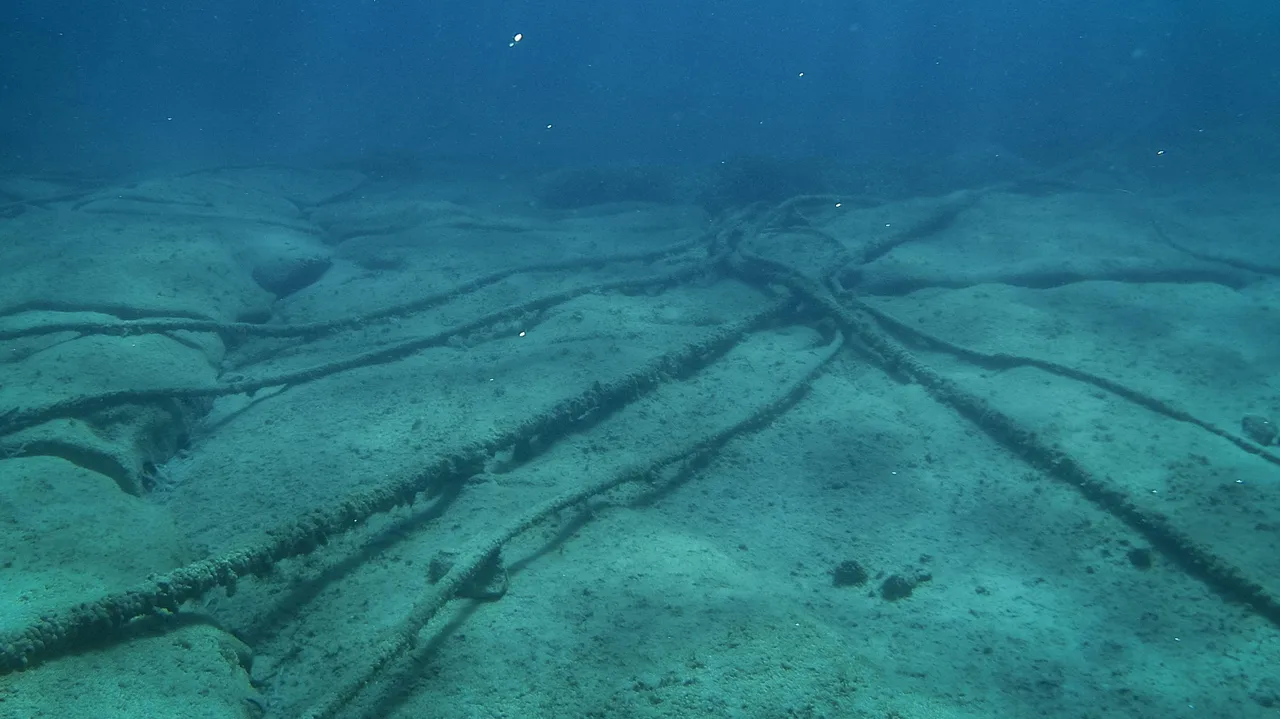
(Source: Sybille Reuter/Alamy Stock Photo)
Indonesia is strengthening its digital connections by building a new 6,870km domestic submarine cable system that will connect the country's eastern, central and western regions, with the aim of supporting the increased capacity needed for data centers, cloud computing, AI and digital services.
The Synergy Gateways of Indonesia (SGI) Cable System is designed with 16 pairs of optical fibers, a system capacity of 25Tbit/s and a design lifespan of 25 years.
Sinergi Inti Andalan Prima (INET) is leading the consortium behind the project. The other participants in the consortium include FiberHome Technologies Indonesia, Solusi Sinergi Digital (Surge), Nokia, Sarana Global Indonesia and the NTT Group through its joint venture with Surge, Weave.
The SGI Cable System will have 14 landing points in Indonesia, connecting Jakarta, Pontianak, Pangkalan Bun, Banjarmasin, Balikpapan, Banyu Urip, Singaraja, Mataram, Makassar, Palu, Manado, Bitung, Ambon and Sorong.
The project is expected to be ready for service (RFS) by the end of 2028.
Expanding inter-island connectivity
Indonesia's vast archipelago means submarine cables are essential for national connectivity. With its population spread across thousands of islands, the country relies on extensive subsea and terrestrial networks to connect regional markets and facilitate the flow of traffic between urban centers, data facilities and telecommunications infrastructure.
Although the SGI Cable System is primarily domestic, it connects to international gateways, establishing Indonesia as a strategic transit point in the Indo-Pacific region. This strengthens Indonesia's role in the global digital economy, moving it beyond the position of merely being a consumer of connectivity.
"We are not just laying a submarine cable. We are laying the foundation for Indonesia’s next digital chapter," said Muhammad Arif, INET president director, in a LinkedIn post.
"SGI Cable System is our commitment to building stronger, more resilient, and future-ready digital infrastructure—connecting Indonesia closer to the world and creating new capacity for the exponential growth of data, cloud, and AI," he added.
The submarine cable project marks INET's expansion into the digital connectivity infrastructure sector, after it acquired 60% of Sarana Global Indonesia for 280.4 billion Indonesian rupiah (US$15.65 million).
Two weeks ago, consortium members signed a memorandum of understanding stating that Sarana Global Indonesia would develop and deploy the subsea cable system, with INET serving as a primary financial sponsor and an anchor capacity user.
Meanwhile, FiberHome acts as a technology partner and submarine cable system supplier, Nokia as an optical network technology provider, and Surge as a capacity user supporting its broadband services. The NTT Group participates through Weave, providing backbone connectivity and capacity distribution.
The project's next significant milestone is to receive wet-plant materials by September 2027. The subsequent phases of marine installation and system commissioning will lead to the targeted RFS date of late 2028.

-
 C114 Communication Network
 -
 Communication Home
