
 Search

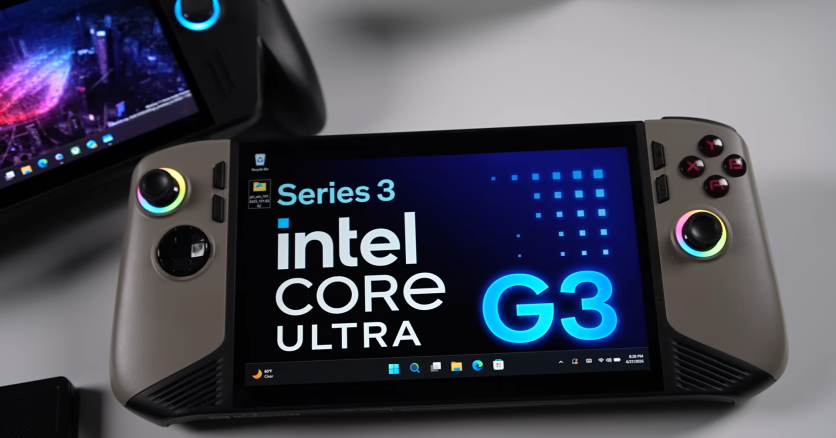
Intel Arc G3 powers Acer’s new handheld gaming PC with Intel Xe3 graphics, upgraded specs, 120Hz display support, and next-generation portable gaming performance. ETA PRIME/YTScreenshot
The handheld gaming market is becoming one of the fastest-growing segments in PC gaming, and Intel is now making a much larger push into the category.
Acer recently introduced a new handheld gaming device powered by Intel Arc G3, a dedicated Intel handheld gaming chip designed specifically for portable gaming systems. The new hardware also features Intel Xe3 graphics, which could become one of the company's biggest gaming upgrades in years.
What Is Intel Arc G3?
Intel Arc G3 is a next-generation gaming processor aimed directly at handheld gaming PCs. Instead of simply adapting laptop hardware, Intel designed Arc G3 with portable devices in mind.
According to reports from The Verge, Intel's Arc G3 lineup is built around the upcoming Panther Lake architecture and introduces handheld-focused improvements for gaming performance, efficiency, and battery optimization.
For a long time, AMD dominated handheld gaming devices through processors used in products like the ASUS ROG Ally, Lenovo Legion Go, and Steam Deck competitors. Intel previously experimented with handheld gaming hardware through earlier MSI Claw models, but the Arc G3 platform appears to be a more focused attempt at creating a true portable gaming ecosystem.
The processor reportedly includes:
- Performance cores for gaming workloads
- Efficiency cores for lower power usage
- Low-power cores for battery management
- Intel Xe3 graphics architecture
Intel is also preparing a higher-end model called Arc G3 Extreme, which increases GPU core count and targets stronger gaming performance.
Early leaks and hardware reports suggest the Intel Arc G3 specs may include:
- Up to 14 total CPU cores
- Xe3 GPU architecture
- LPDDR5X memory support
- Higher graphics clock speeds
- Improved thermal efficiency
- Advanced AI-assisted performance management
The Verge noted that Intel is heavily focusing on reducing stutter and improving driver optimization, two areas that have historically challenged handheld gaming PCs.
Intel Xe3 Graphics Could Be a Major Upgrade
One of the most important parts of the new Intel handheld gaming chip is Intel Xe3 graphics. Intel's previous integrated graphics solutions improved significantly over the last few years, but Xe3 may represent a much bigger leap for gaming.
Intel Xe3 graphics are expected to improve:
- Low-watt gaming performance
- Shader compilation speeds
- Frame stability
- Ray tracing support
- DirectX 12 compatibility
Portable gaming devices rely heavily on efficient GPU performance because battery life and heat output are limited compared to desktop PCs. Intel appears to be prioritizing efficiency alongside raw graphics performance.
According to information discussed by Club386 and other hardware outlets, Intel Xe3 graphics could help Arc G3 compete more directly with AMD's Ryzen Z-series handheld processors.
Acer's New Handheld Gaming PC
Acer's new handheld is among the first confirmed devices using Intel Arc G3 hardware. While full retail details are still limited, several key specs have already appeared online.
Reported features include:
- 8-inch display
- 120Hz refresh rate
- Variable refresh rate support
- Up to 24GB LPDDR5X RAM
- PCIe Gen4 SSD storage
- Wi-Fi 7 connectivity
- Hall-effect triggers
- Large battery options
The display is expected to target smoother gameplay for competitive and AAA games, while the cooling system reportedly uses a specialized metal fan design for improved airflow.
Some early hardware reports also suggest the handheld will support Thunderbolt connectivity, allowing expanded storage or docking support similar to gaming laptops.
Intel Arc G3 Specs and Gaming Expectations
Although Intel has not released complete benchmark data yet, leaked information has generated significant discussion among PC gaming communities.
The Intel Arc G3 specs suggest the handheld is targeting:
- 1080p gaming
- stable frame rates
- lower power consumption
- better handheld thermals
Some early synthetic benchmark leaks indicate Arc G3 Extreme could compete closely with AMD Ryzen Z2 Extreme chips in certain workloads. However, real gaming performance will ultimately depend on:
- Driver optimization
- Thermal management
- Battery efficiency
- Game compatibility
Intel has reportedly improved driver support through precompiled shaders and game-specific optimization profiles. These changes are intended to reduce frame stuttering and improve launch-day compatibility for modern PC games.
Wccftech and several other hardware-focused publications also reported that Intel is targeting stronger low-power gaming performance rather than simply chasing high benchmark numbers.
Why Handheld Gaming PCs Continue to Grow
The popularity of handheld gaming PCs has increased rapidly over the past few years. Players now want portable devices capable of running full PC game libraries instead of relying only on cloud gaming or mobile games.
Modern handheld gaming systems typically support:
- Steam libraries
- Epic Games Store titles
- Xbox Game Pass
- indie games
- emulators
- AAA PC games
The success of devices like the Steam Deck showed there is strong demand for portable PC gaming. As a result, more companies are now investing in handheld hardware.
Intel entering the market with a dedicated handheld gaming chip signals that portable gaming is becoming a major long-term category within the gaming industry.
Can Intel Compete With AMD in Handheld Gaming?
AMD currently controls much of the handheld gaming market thanks to its Ryzen Z-series chips. Intel still faces several major challenges before Arc G3 can become a dominant option.
Key areas Intel must improve include:
- Battery life
- Driver stability
- Heat management
- Game optimization
- Pricing
Intel graphics drivers have improved dramatically compared to earlier generations, but handheld gaming demands highly consistent performance across a wide range of titles.
If Intel Xe3 graphics deliver smoother gaming at lower wattage, Arc G3 could become a strong alternative for premium handheld devices.
Competition between AMD and Intel could also benefit consumers by:
- increasing innovation
- improving hardware choices
- lowering pricing pressure
- expanding handheld gaming features
Games Expected to Run on Intel Arc G3
Based on the reported hardware specs, Intel Arc G3 handhelds should support many modern PC games.
Expected playable titles may include:
- "Cyberpunk 2077"
- "Forza Horizon 5"
- "Fortnite"
- "Call of Duty: Warzone"
- "Hades II"
- "Elden Ring"
- "Helldivers 2"
Esports and indie games will likely perform especially well because they require less graphical power compared to large AAA releases.
Intel Xe3 graphics may also improve support for newer DirectX 12 games, which continue to become more common across the PC gaming industry.
What Intel Arc G3 Means for Future Portable Gaming
Intel Arc G3 represents one of Intel's most serious attempts to enter handheld gaming. Instead of adapting general-purpose laptop chips, Intel now appears focused on creating dedicated portable gaming hardware.
Acer's handheld could become one of the first major tests for Intel's handheld gaming strategy. If the company delivers strong performance, stable drivers, and reasonable battery life, Arc G3 may become a legitimate competitor in future gaming handhelds.
The portable gaming market is still evolving quickly, and stronger competition between Intel and AMD could lead to:
- better handheld performance
- longer battery life
- improved cooling systems
- more affordable gaming hardware
As more manufacturers enter the category, handheld gaming PCs may continue moving closer to full desktop gaming experiences in smaller portable designs.
Frequently Asked Questions
1. What is Intel Arc G3?
Intel Arc G3 is a handheld-focused gaming processor built for portable gaming PCs. It uses Intel's Panther Lake architecture and includes Intel Xe3 graphics for improved gaming performance and efficiency.
2. What are Intel Xe3 graphics?
Intel Xe3 graphics are Intel's next-generation GPU architecture designed to improve gaming performance, frame stability, and low-power efficiency in portable devices and laptops.
3. Which handheld uses Intel Arc G3?
Acer's newly announced gaming handheld is among the first confirmed devices using Intel Arc G3 hardware. Other handheld manufacturers may also adopt the chip in future products.
Read more: Take-Two CEO Says Former Rockstar Developers Still Can't Match GTA: MindsEye Proves His Point

-
 C114 Communication Network
 -
 Communication Home
