
 Search

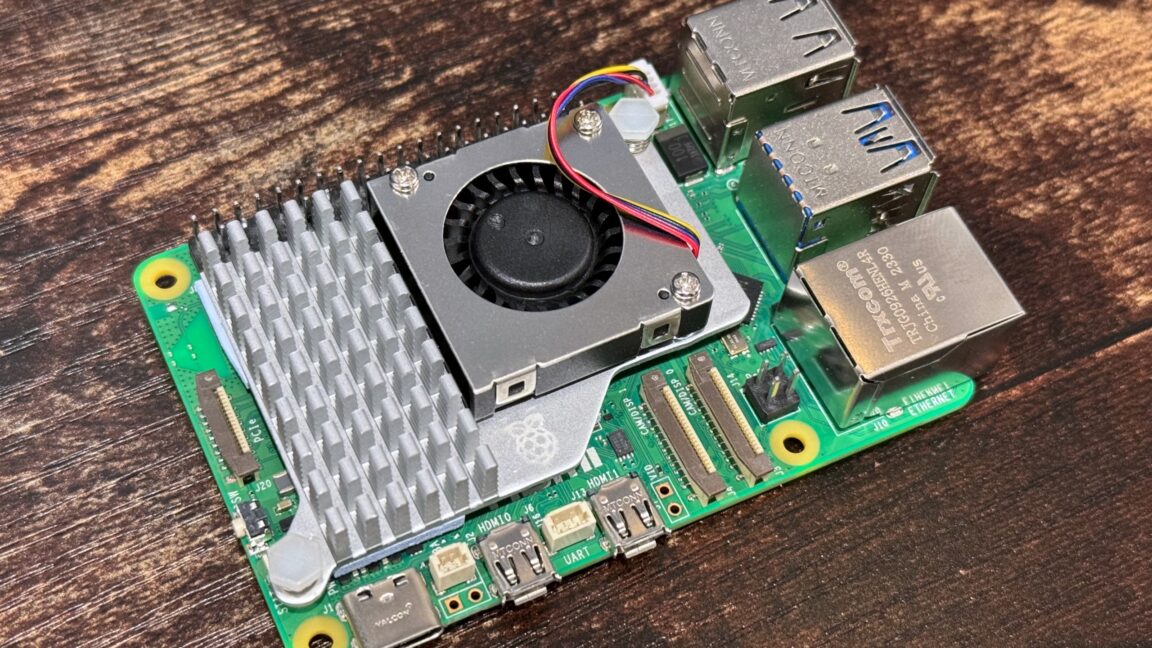
Credit: Andrew Cunningham
The ongoing AI-fueled shortages of memory and storage chips has hit RAM kits and SSDs for PC builders the fastest and hardest, meaning it’s likely that, for other products that use these chips, we’ll be seeing price hikes for the entire rest of the year, if not for longer.
The latest price hike news comes courtesy of Raspberry Pi CEO Eben Upton, who announced today that the company would be raising prices on most of its single-board computers for the second time in two months.
Prices are going up for all Raspberry Pi 4 and Raspberry Pi 5 boards with 2GB of more of LPDDR4 RAM, including the Compute Module 4 and 5 and the Raspberry Pi 500 computer-inside-a-keyboard. The 2GB boards’ pricing will go up by $10, 4GB boards will go up by $15, 8GB boards will go up by $30, and 16GB boards will increase by a whopping $60.
These increases stack on top of across-the-board $5 to $15 price hikes implemented for most Pi 4 and 5 models in December, and a handful of more contained price hikes for select models in early October. The 16GB version of the Pi 5 will now cost a whopping $205. The 8GB versions of the Pi 4 and 5 will run you $125 and $135, respectively, the only other boards to climb above $100.
Pricing for the 1GB versions of the Pi 4 and Pi 5 isn’t changing, at least not for now—they’ll continue to be available for $35 and $45, respectively. Pricing is also staying level for the Pi 400 computer. Older models that use LPDDR2, like the Pi 3 and the Pi Zero, will also stick around at their current prices.
The Raspberry Pi initially rose to prominence not because it was a cutting-edge computer, but because it offered a complete tinkerer-friendly system for just $35. At this point, the Pi has been around long enough that the robust ecosystem of operating system distributions, applications, and scripts is part of what you’re paying for, but the higher the price climbs, the more attractive things like no-name x86-based mini PCs or used PCs become. During the last widespread Pi shortages in 2022 and 2023, some users turned to old thin client PCs for the kinds of simple appliance-like hobby projects that the Pi is often recommended for.
Upton says the company intends to bring prices back down when memory pricing comes down enough to make it possible.
“The current situation is ultimately a temporary one,” Upton writes, “and we look forward to unwinding these price increases once it abates.”

-
 C114 Communication Network
 -
 Communication Home
