
 Search

(Image credit: Future)
-
Facebook -
X -
-
-
Flipboard
Memory prices are booming, pricing out many prospective PC builders in 2026. But, according to AMD's SVP & GM of the Client Business Unit, Rahul Tikoo, it's nothing to be worried about. During a roundtable interview with Tom’s Hardware at CES 2026 in Las Vegas, Nevada, we asked Tikoo how the company is responding to skyrocketing DRAM and storage prices, and how that might affect AMD going into 2026, as market intelligence firm IDC forecasts that PC shipments to fall by as much as 9% this year.
“We don’t see an issue there other than, you know, tightness leads to higher prices, eventually. So, from that perspective, I’m not seeing any impact to our business this year,” the executive told Tom’s Hardware. “I think that people who need the technology need the technology, and they’re going to buy the technology — though consumers might decide that they have a choice to make on how much memory, what CPU.” He also added, “Which is okay because we have a wide assortment of products available.”
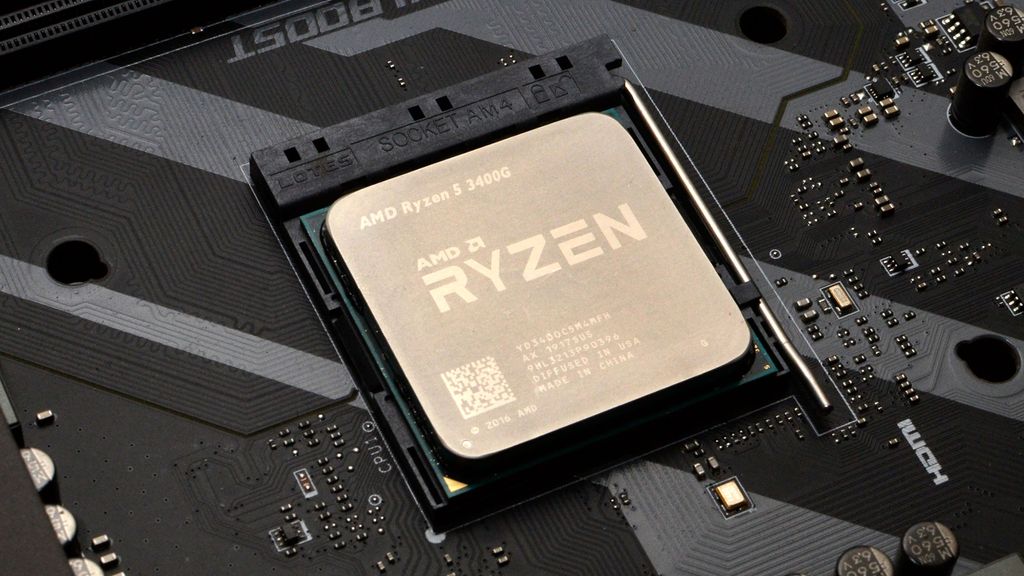
AMD currently offers 215 SKUs, which are "AI PC" capable. There are also an equal or larger number of non-AI PC options available from the chipmaker. This means prospective PC buyers across a host of budgets and form factors may be able to find an AMD CPU to fit their build and budget. Old AM4 CPUs still in production have been topping Amazon’s sales charts, with another AMD executive even teasing the return of older Zen 3 processors.
Tikoo’s answer is logical — after all, AMD does not influence the memory chip supply chain, and they’re also seemingly not directly affected. Though the company sells Radeon GPUs, which are gaining ground on Nvidia’s RTX graphics cards, its market share is still small, sitting at just 7%. On the other hand, Nvidia dominates the GPU space, with a staggering 92% footprint. Therefore, it's likely that Nvidia is heavily affected, especially since Nvidia is reportedly no longer supplying VRAM to its GPU board partners. So, the only thing that it can really do is to offer a wider range of SKUs that utilize older DDR4 memory, which is currently slightly more affordable than DDR5.
Unfortunately, it offers little comfort to the average consumer — especially those who have already invested in a Zen 4 or Zen 5 chip, as the AM5 platform exclusively uses DDR5 memory. In line with what industry players are saying, you should only buy RAM kits or SSDs right now if you need them. If you don’t have an urgent requirement for more memory or storage, then we recommend you wait out the RAM-pocalypse before eyeing up a new upgrade, or find a solid bundle deal.
Although Tikoo doesn't see a major impact to AMD's business from DRAM shortages, the reality of higher pricing is hard to ignore. Estimates on when the DRAM shortage could ease range anywhere from six months to multiple years. As we begin 2026, we'll keep a close eye on memory pricing and where it's headed.

Follow Tom's Hardware on Google News, or add us as a preferred source, to get our latest news, analysis, & reviews in your feeds.

-
 C114 Communication Network
 -
 Communication Home
