
 Search


Black Friday shoppers no longer have to visit dozens of online stores just to determine whether an advertised discount is genuinely worth it. AI shopping agents can now help compare prices, identify alternative sellers, and check whether a product is available elsewhere for less—all without handing over payment details or personal information.
Tools such as ChatGPT, Gemini, Claude, and Meta's AI assistants can assist with bargain hunting by searching for products, reviewing available listings, and comparing prices across retailers.
While they cannot always access every online marketplace, they can still be useful when shoppers want to double-check an Amazon deal before making a purchase.
AI Can Compare Amazon Deals With Other Retailers
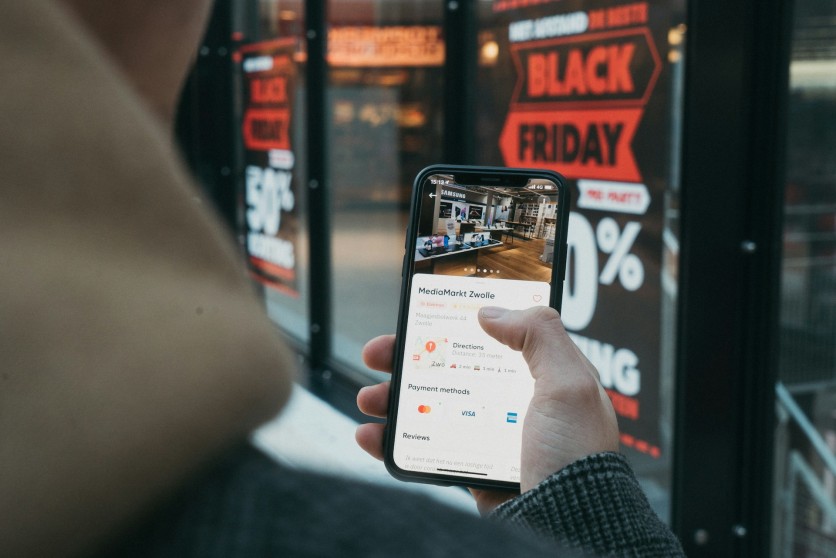
CardMapr.nl/Unsplash
Amazon's Black Friday promotions can make it difficult to determine whether a product is genuinely discounted or simply priced competitively. An AI shopping assistant can help look beyond the original listing by searching for the same product across other retailers and manufacturer websites.
Instead of manually opening multiple tabs, shoppers can provide an AI agent with the product name, exact model number, and Amazon price. The assistant can then search for competing listings and identify potentially cheaper alternatives.
This action is particularly useful for electronics, appliances, accessories, and other products where prices fluctuate frequently. However, availability and pricing information can change quickly, so the results should always be checked before a purchase is made.
Read more: Want Less AI in Canva? New Settings Let Users Control AI Tools and Content
Finding Cheaper Products Does Not Always Mean Getting the Best Deal
A lower advertised price can be misleading once shipping fees, membership requirements, and seller conditions are taken into account. AI price comparison becomes more useful when it evaluates the actual cost rather than focusing solely on the price displayed on a product page.
For example, a water-leak detector listed for $39.95 on Amazon was reportedly found on its manufacturer's website for $15 less. However, the additional shipping cost nearly eliminated the savings.
AI Shopping Agents Can Find Open-Box and Refurbished Bargains
Not every worthwhile Black Friday deal involves a brand-new product. Refurbished, used, and open-box listings can offer substantial savings for shoppers willing to accept items that are not in pristine retail condition.
In one price-checking test, a ChatGPT assistant reportedly located a used Dyson PC1 floor fan at Target for $272. That was $128 less than the new unit listed on Amazon.
These types of listings can make AI-assisted shopping especially useful. Instead of searching exclusively for new products, shoppers can instruct an agent to include refurbished or open-box alternatives while clearly identifying their condition.
Refurbished products may have different warranties, return policies, or included accessories compared with new purchases. A lower price should be weighed against these differences before deciding which listing offers better value.
Exact Model Numbers Matter When Comparing Prices
One of the biggest challenges in online price hunting is finding genuinely identical products. Two items may look almost the same but have different model numbers, specifications, included accessories, or product revisions.
An AI shopping prompt can specifically instruct the agent to verify whether the cheaper listing matches the Amazon product exactly. This reduces the likelihood of comparing different versions of the same device and mistaking a cheaper alternative for an equivalent deal.
For products such as turntables, computer storage, smart-home accessories, and household appliances, checking the exact model is particularly important. A similar-looking product is not necessarily the same item.
Flagging Unverified Prices and Questionable Deals
Not every price an AI assistant finds can be confirmed directly. Some results may come from search snippets, deal articles, third-party listings, or outdated information rather than the retailer's current product page.
A useful price comparison should distinguish between verified and unverified offers. Prices seen directly on a seller's page can be marked verified, while deals that cannot be independently confirmed should be labeled unverified.
This helps shoppers avoid relying on outdated promotions or listings that may no longer exist. An AI agent should not present an unconfirmed price as a guaranteed deal, particularly when the information could influence a purchase.
Shopping With AI Does Not Require Sharing Personal Information
AI-assisted shopping can be used purely for research without allowing an agent to make purchases or interact with sensitive account information.
A carefully written prompt can instruct the assistant to search public product pages only, avoid signing into accounts, refrain from adding items to shopping carts, and never submit information such as email addresses, ZIP codes, or coupon forms.
Avoiding ZIP code entry may limit the agent's ability to calculate location-specific shipping costs, but it also reduces the personal information shared during the search.
For shoppers who are uncomfortable giving an AI access to payment details, this research-only approach offers a practical middle ground: the agent finds and compares potential deals, while the shopper independently decides where and whether to buy.
A Simple AI Prompt for Black Friday Price Hunting
A detailed prompt from Ben Patterson of PC World can make the comparison more consistent by specifying exactly what the agent should check and what actions it must avoid.
The shopper can provide the product's name, model number, and current Amazon price, then ask the AI to search for lower-priced alternatives. The instructions should require the store name, actual seller, item condition, model-match confirmation, shipping cost, discount conditions, and direct product link.
The prompt should also prohibit purchases, cart additions, sign-ins, and form submissions. Any price that cannot be confirmed on the seller's own product page should remain labeled unverified.
AI Is a Helpful Price Researcher, But Final Verification Still Matters
AI shopping agents can save time during Black Friday by narrowing down competing listings and uncovering discounts that shoppers might otherwise overlook. They can also help identify refurbished bargains, compare product conditions, and organize the details that matter when evaluating a purchase.
Their limitations remain important. Some retailers restrict automated access, shipping prices may not be visible without location information, and product listings can change between the search and checkout.
The most reliable approach is to use AI for discovery and comparison, then visit the retailer's website directly to confirm the price, seller, product condition, shipping fees, and return policy. That way, AI can make Black Friday research easier without taking control of the shopper's money or personal information.
Frequently Asked Questions
Can ChatGPT find cheaper Black Friday deals?
ChatGPT can help search for competing product listings, compare prices, and identify potentially cheaper offers from retailers. Results depend on website accessibility, the availability of current pricing information, and the exact product being searched.
Can AI shopping agents buy products automatically?
Some AI tools may support shopping-related actions depending on their features and permissions. However, they can be restricted to research only by instructing them not to purchase items, sign in, submit forms, or add products to a cart.
Is it safe to use AI to compare online shopping prices?
Using AI for price research can limit exposure when it is restricted to publicly accessible pages and does not receive payment credentials or sensitive personal information. Prices and seller details should still be verified independently.
Can AI compare refurbished and brand-new products?
Yes. An AI assistant can be instructed to include refurbished, used, and open-box listings, provided it clearly identifies the condition and does not treat these products as equivalent to brand-new items.
Are AI-generated Black Friday prices always accurate?
No. AI may encounter outdated listings, inaccessible product pages, or prices that depend on shipping, membership, or special promotions. Direct verification with the retailer remains necessary before purchasing.

-
 C114 Communication Network
-
 Communication Home
