
 Search

Waymo.com
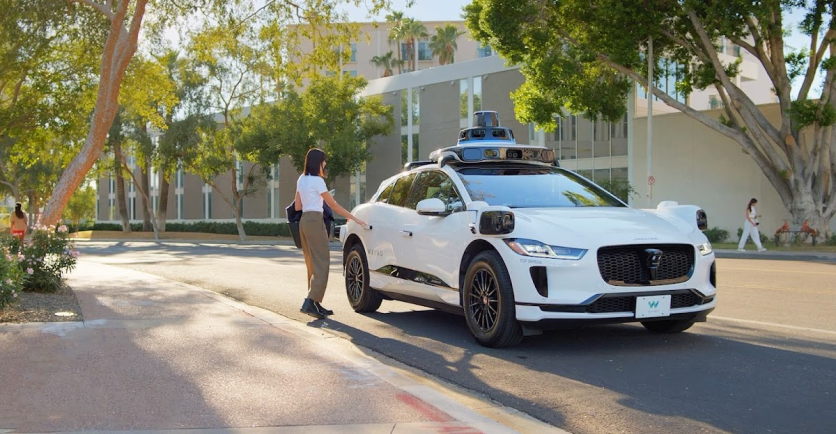
Waymo launched its first-ever loyalty subscription on June 11, dropping invitations to tens of thousands of its most frequent riders across San Francisco, Los Angeles, and Phoenix. Called Waymo Premier, the $29.99-per-month tier grants priority vehicle matching, 10% cashback in ride credits, five free monthly cancellations, and early access to new markets before they open to the general waitlist. The program arrives as Alphabet's Other Bets division — the segment that includes Waymo — posted a Q1 2026 operating loss of $2.1 billion, nearly double the prior year's figure, underscoring how urgently the company needs a recurring revenue stream to complement the capital it raises from outside investors.
The timing matters to riders in those three cities: anyone receiving an invitation should understand the math before deciding whether to accept. A break-even analysis by Quartz, based on a Bay Area median fare of $17.25 recorded at the close of 2025, found that members who take roughly four rides per week recoup the $29.99 monthly fee through cashback alone — before factoring in the value of priority access during peak hours. Phoenix rider Sarah Paige Roland, quoted in Waymo's own blog post, put it plainly: "I get privacy, time back, a safe ride, and I'm not obligated to talk to someone that I don't want to talk to. Adding cash back and priority pickups on top of that makes Premier a no-brainer for someone like me."
$29.99 vs $9.99: What Makes Waymo Worth Triple Uber One
Waymo Premier is priced at almost exactly three times the cost of Uber One, which charges $9.99 per month or $96 annually and counts more than 50 million subscribers as of May 2026. Lyft Pink occupies a comparable price range.
The premium is deliberate. Waymo cited direct rider feedback as the basis for the price, noting that its data consistently shows riders willing to pay more for autonomous trips than for traditional ride-hail. That willingness-to-pay premium reflects a core product difference: a Waymo ride has no driver to cancel, no surge-driven human supply shortfall, and — as the Premier tier makes explicit — a fleet that can be algorithmically prioritized in ways a human-driver network fundamentally cannot.
Unlike Uber One, which leans on third-party perks such as restaurant discounts and waived Eats delivery fees, Waymo Premier keeps its value proposition narrowly focused on the ride itself: faster matching, cashback on every trip, and city access. The program is not yet available in Austin or Atlanta, where Waymo's robotaxis operate exclusively through the Uber app and Waymo-native features do not apply.
Why AV Fleet Control Makes Priority Matching Real, Not Marketing
The most important thing to understand about "priority matching" in a fully autonomous fleet is that it is architecturally different from the same feature offered by a human ride-hail platform.
Waymo's fleet management system controls the real-time position of every vehicle in its fleet, continuously. The dispatch algorithm scores each incoming ride request against candidate vehicles across multiple variables simultaneously: GPS distance to the pickup, estimated time of arrival with live traffic data, remaining battery range, and vehicle type. Because Waymo owns 100% of its fleet, it also runs machine-learning demand-prediction models two to four hours ahead of time, by geographic zone, using historical ride patterns, time of day, weather, and scheduled local events — everything from sports games to concerts — to pre-position vehicles where demand is expected to be highest.
This architecture makes a membership-tier priority queue operationally meaningful. When a Premier member requests a ride during peak hours, the dispatch system can elevate their request relative to standard requests, selecting a nearby vehicle and adjusting pre-positioning in their favor. The system does not wait for a human driver to accept or cancel; it assigns the vehicle.
Compare this to how Uber One's priority feature works. Uber's dispatch algorithm cannot directly command its driver network to move toward any given requester. It uses dynamic pricing to offer surge incentives, but independent contractors choose whether to respond. In high-demand periods — precisely the moments when priority matters most — Uber One's priority feature competes with the market-pricing response of thousands of individual drivers making individual decisions. Waymo's priority feature does not face this constraint.
Electrek noted that with a fleet of roughly 3,000 robotaxis, Waymo cannot offer priority to everyone without degrading non-member service. Limiting Premier to top riders keeps the operational math manageable while the fleet scales toward its year-end target of one million weekly rides, up from approximately 500,000 currently.
Waymo's Airline Loyalty Playbook
Waymo's subscription ambitions extend well beyond the perks bundle. TechCrunch reported that the company is drawing explicitly from the airline loyalty business model — and there is compelling precedent for this framing. The four largest U.S. airlines would each have posted operating losses in 2024 without their loyalty programs; several used those programs as collateral to back emergency loans from the federal government during the pandemic.
Recurring subscription revenue changes how investors value a company. A ride-hailing business whose revenue is entirely trip-based is valued on gross bookings and per-ride margins. A business that also carries a subscription layer adds predictable monthly recurring revenue — a metric institutional investors weigh heavily. Alphabet CEO Sundar Pichai has indicated that Waymo could begin generating profits by 2027. Building subscriber count before that inflection point creates a richer financial story for the eventual IPO that analysts widely expect, though no timeline has been announced.
Waymo raised $16 billion in February 2026 at a $126 billion valuation — the largest AV funding round on record — with backers including Andreessen Horowitz, Fidelity, and T. Rowe Price. Goldman Sachs projects the U.S. robotaxi market to reach $48 billion by 2035.
Austin, Atlanta, and Growing Waymo-Uber Tension
The program's exclusion of Austin and Atlanta reveals the structural tension between Waymo and its biggest platform partner. In those two cities, Waymo operates exclusively through the Uber app, meaning riders have no access to Waymo-native features, including Premier. That arrangement is increasingly under strain: Waymo has announced expansions to more than a dozen additional markets, most without Uber involvement. Its Nashville service launched in partnership with Lyft, and its upcoming London service will operate through fleet manager Moove — setting up the first direct head-to-head competition between Waymo and Uber in the same city.
Road to Autonomy described London as potentially the first of many markets where the two companies "compete directly rather than collaborate," a development that would have direct implications for riders in Uber-centric markets who currently cannot access Waymo's own subscription tier.
Safety Investigations Continue Alongside Expansion
Waymo's Premier announcement arrived amid a regulatory backdrop that the company has not resolved. A child was struck near a Santa Monica elementary school in January 2026, triggering both NHTSA and National Transportation Safety Board inquiries; the child sustained minor injuries. Waymo has issued four software recalls since 2024, including one covering school-bus stop-arm detection following 19 documented violations in Austin. The company remains subject to California Public Utilities Commission oversight.
Waymo's own safety data, corroborated by a Swiss Re study, shows its vehicles causing significantly fewer injury-related crashes per mile than human drivers — by 82 to 92 percent depending on the incident category. That statistical record does not erase active investigations, but it does provide the context in which a premium subscription tier is being built: a platform confident enough in its product quality to charge three times what its largest rival charges for membership.
Frequently Asked Questions
Is Waymo Premier worth it?
At a Bay Area median fare of $17.25, riders taking roughly four trips per week recoup the $29.99 monthly fee through cashback alone, according to a Quartz break-even analysis. For daily commuters and heavy users in San Francisco, Los Angeles, and Phoenix, the priority dispatch and cashback together create clear value. For occasional riders, the fee is unlikely to pencil out.
How does Waymo's priority matching differ from Uber One's priority feature?
Waymo controls the real-time position of every vehicle in its autonomous fleet through a centralized dispatch system that runs machine-learning demand prediction two to four hours ahead by geographic zone. This allows the system to genuinely reassign vehicles toward Premier members during peak hours. Uber One operates on a human-driver network, where the platform uses surge pricing to attract drivers but cannot directly command their movement — drivers choose whether to respond.
What cities have Waymo Premier?
Waymo Premier launched June 11, 2026, in San Francisco, Los Angeles, and Phoenix on an invite-only basis. The program is not available in Austin or Atlanta, where Waymo operates exclusively through the Uber app. Waymo has said it plans to expand Premier to additional markets as its fleet and coverage area grow.
How does Waymo compare to Uber One?
Waymo Premier costs $29.99 per month — nearly triple the $9.99 Uber One charges. Uber One's value comes primarily from third-party perks across Uber Eats, hotel bookings, and delivery services. Waymo Premier focuses exclusively on the ride: priority matching, cashback, free cancellations, and early city access. The structural difference is that Waymo can back its priority promise with direct, algorithmic fleet control that Uber One cannot replicate on a human-driver network.

-
 C114 Communication Network
 -
 Communication Home
